
Blooming
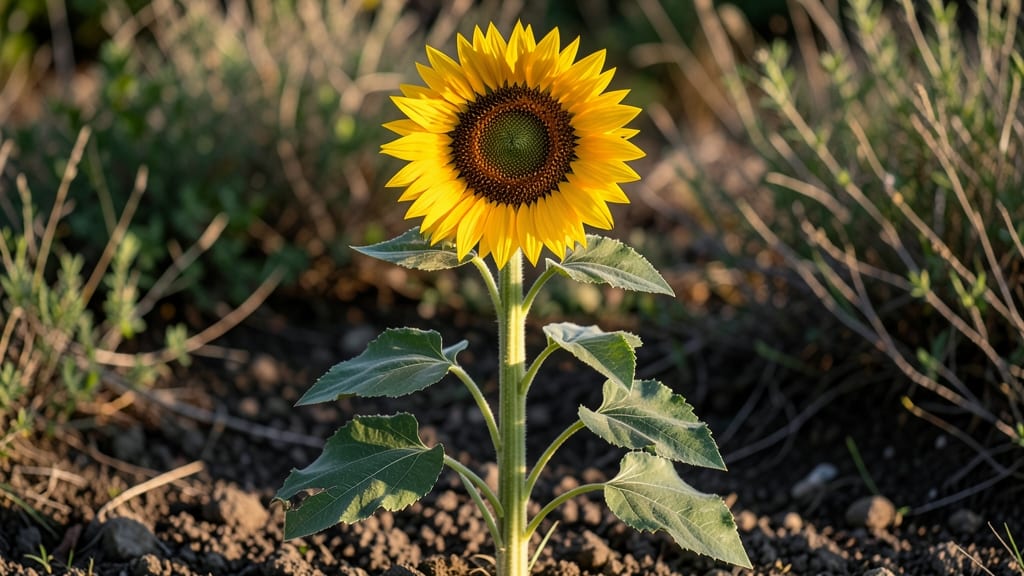
Sunflowers take 60 to 90 days to flower from seed, but the exact timeline depends on the variety, your climate, and how much sunlight they get.
Picture this: you’ve just planted your 🌻 seeds in early spring, dreaming of towering blooms by summer. But if your garden stays too cool or the soil lacks nutrients, those cheerful faces might take longer to turn toward the sun.
The right conditions can cut that wait time by weeks—and knowing what to watch for is the key to planning your garden for maximum impact.
Fast-growing varieties like Sunspot might bloom in as little as 50 days, while giant Mammoths could take 90 days or more. Temperature swings, watering habits, and even soil quality play a role in whether your sunflowers hit their full potential.
Below, I’ll break down the factors that speed up or slow down blooming, so you can adjust your approach and enjoy those golden faces right on schedule.
You’ll also learn how to monitor growth stages—like leaf count and stem height—so you can predict when those buds will finally open. Whether you’re growing sunflowers for cut flowers, birdseed, or just summer joy, timing is everything.
Sunflower flowering timeline by variety: fastest to slowest bloomers
If you're eager to see those bright sunflower blooms light up your garden, timing is everything. Some varieties burst into color in as few as 50 days, while others take nearly 120 days to reach their full glory.
The key lies in choosing the right sunflower variety for your goals—whether you want quick summer color or towering giants for fall harvests.
Fast-blooming varieties are perfect for container gardens or late-season plantings, while slow-growing types reward patient gardeners with dramatic 12-foot stalks. Understanding these timelines helps you plan succession plantings, extend your bloom season, or even time sunflowers for photography projects or birdseed harvests.
For quick results, the Sunspot and Teddy Bear varieties are my top picks. These compact sunflowers bloom in just 50-60 days, making them ideal for small spaces or gardeners with short seasons. Their smaller stature also means they're less prone to wind damage or stem breakage.
If you're dreaming of dramatic sunflower displays, varieties like Mammoth and Russian Giant require more patience but deliver stunning visual impact. These giant sunflowers take 90-130 days to flower but can reach heights that dwarf even the tallest gardeners.
Their extended blooming period also provides longer pollinator support for bees and butterflies.
Don't overlook mid-range varieties like Autumn Beauty or ProCut, which strike a balance between bloom speed and plant height. These work beautifully for cut flower arrangements or seasonal borders, offering 70-75 days to maturity while reaching 5-6 feet tall.
Their multi-colored blooms also add visual interest to mixed gardens.
When planning your sunflower garden layout, consider pairing fast bloomers with slow growers to create a continuous bloom sequence. Start with Sunspot in early spring, followed by Teddy Bear and ProCut as temperatures warm.
Save your Mammoth varieties for late spring planting to ensure they have enough warmth and sunlight before fall.
Pro tip: Check your last frost date and count backward from your desired bloom time. For example, if you want July 4th sunflowers, plant Teddy Bear varieties around May 1st in most climates. This timing ensures they'll reach full bloom just as summer celebrations begin.
Remember that local climate plays a crucial role in these timelines. Gardeners in warmer zones (like USDA Zone 8+) may see 10-15% faster growth compared to cooler regions.
Always monitor your plants for leaf color changes and bud development—these visual cues help you predict blooming dates more accurately than calendar dates alone.
For container growing, choose dwarf varieties that won't outgrow their pots. The Sunspot or Moulin Rouge varieties thrive in 5-gallon containers and can be placed on patios or balconies. Just ensure your containers have drainage holes and use lightweight potting mix to prevent tipping.
Whether you're growing sunflowers for
How climate and growing conditions accelerate or delay sunflower blooming
Sunflowers thrive on warmth and sunlight, but even the hardiest varieties can take longer to bloom if your growing conditions aren’t ideal. Temperature is the biggest factor—sunflowers need consistent warmth (70°F+) to trigger flowering.
In cooler climates, like USDA Zones 3-5, planting too early can stall growth until soil temperatures rise. Meanwhile, in hotter regions, heat stress after 90°F can delay blooming if plants lack adequate water.
Another critical factor is sunlight exposure. While sunflowers tolerate partial shade, they need 6-8 hours of direct sun daily to reach their full potential. Shade from trees or buildings can stretch out the flowering timeline by 2-4 weeks.
I’ve seen firsthand how sunflowers planted near my east-facing fence bloom weeks later than those in the south-facing garden bed.
- Temperature: Ideal 70-85°F speeds blooming; below 50°F delays growth by 2+ weeks.
- Sunlight: 6+ hours daily ensures timely blooms; 4 hours or less can extend timeline by 30 days.
- Soil Quality: Well-draining, nutrient-rich soil cuts flowering time by 10-15 days vs. poor soil.
- Watering: Deep, consistent watering prevents stress; drought delays blooms by 1-2 weeks.
- Planting Time: After last frost (Zone 6: April 15+) ensures faster growth; early planting risks frost damage.
Soil quality plays a surprising role too. Sunflowers are heavy feeders and need phosphorus-rich soil (like compost or bone meal) to develop strong roots and speed up flowering.
I’ve noticed that amending my clay-heavy soil with sand and compost helped my Mammoth sunflowers bloom 10 days earlier than in previous years. Poor soil? Expect delays of 2-3 weeks as plants struggle to establish.
Watering habits also impact timing. Sunflowers need 1-2 gallons of water per week, but inconsistent moisture can cause stress and stunted growth.
I learned this the hard way when a dry spell in July caused my sunflowers to pause flowering entirely until I deep-watered them twice weekly. Morning watering is best—it reduces evaporation and fungal risks.
Finally, your planting strategy matters. In cooler climates, I recommend direct-sowing seeds after the last frost (typically mid-April in Zone 6) rather than starting indoors. Sunflowers hate transplant shock, and early starts can lead to leggy, weak stems that delay blooming.
For faster results, choose dwarf varieties like Sunspot, which bloom in 50-60 days even in less-than-ideal conditions.
By adjusting these factors—temperature, sunlight, soil, and water—you can shave weeks off the blooming timeline. For example, my Teddy Bear sunflowers in full sun and enriched soil bloomed in 65 days, while identical plants in partial shade took 80 days.
Small tweaks make a big difference! 🌻