
Flowers
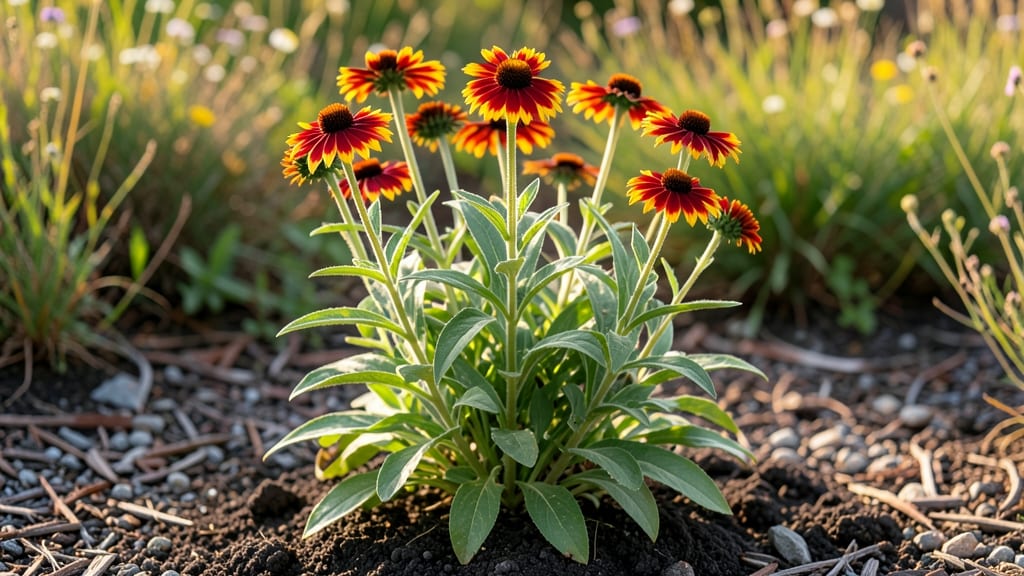
Blanket flowers grow between 1 and 4 feet tall, depending on the variety and growing conditions—making them the perfect mid-height star for borders, wildflower gardens, or cottage-style plantings.
If you're dreaming of vibrant, drought-resistant blooms that add a splash of color to your garden, blanket flowers (Gaillardia) could be your perfect match—but first, you need to know their mature height to plan spacing and placement.
Some varieties, like the compact 'Goblin', stay under 1 foot, while others, such as 'Arizona Sun', can reach nearly 4 feet when happy. The key? Full sun and well-drained soil—both of which help them hit their ideal height without flopping.
Below, I break down the height ranges by variety, how to choose the right size for your space, and quick care tips to keep them thriving year after year.


Blanket flower height by variety: a complete growth guide
Blanket flowers (Gaillardia) are prized for their vibrant blooms and drought tolerance, but their mature height varies dramatically by variety. Knowing these differences helps you choose the perfect type for your garden layout, whether you want dwarf varieties for borders or taller types for cut flowers.
Most blanket flowers reach maturity in their first growing season, but their final height depends on genetics, sunlight, and soil conditions.
From compact Goblin varieties that stay under 12 inches to towering Mesa Red plants reaching nearly 3 feet, each type offers unique visual impact. For example, 'Arizona Sun' grows 2-3 feet tall, making it ideal for mixed borders, while 'Fanfare Lemon' stays shorter at 1-2 feet, perfect for container gardens.
Let's explore the full range of heights so you can plan your garden with precision.
If you're designing a pollinator-friendly garden, taller varieties like Mesa Red (24-36 inches) create dramatic vertical interest, while dwarf types like Goblin (10-12 inches) work beautifully in rock gardens or as edging plants.
The Fanfare series offers a middle ground at 18-24 inches, perfect for cut flower arrangements or cottage-style gardens. Always check the specific variety's tag, as some may exceed the listed ranges in ideal conditions.
For container gardening, choose dwarf varieties like 'Goblin' or 'Fanfare Lemon', which thrive in 12-inch pots. In-ground planting requires careful spacing—taller types need 24 inches between plants to prevent competition, while dwarfs can be spaced just 8-10 inches apart.
Overcrowding reduces airflow and increases disease risk, so follow these guidelines to ensure healthy, vibrant blooms all season.
One common misconception is that all blanket flowers grow to the same height. In reality, their growth habits vary widely. For instance, 'Arizona Sun' can reach 3 feet tall in full sun, while 'Goblin' varieties stay under 1 foot even with optimal care.
This variation lets you create layered effects in your garden, with taller types in the back and shorter ones in front. Always plant taller varieties first to avoid shading out smaller plants.
Environmental factors like sunlight exposure and soil quality can influence height by up to 20%. For example, Mesa Red may grow taller in rich, well-draining soil with full sun, while the same variety in partial shade could stay closer to 2 feet.
If you're unsure about your garden's conditions, start with medium-height varieties like Fanfare Lemon, which adapt well to different environments.
Pro tip: Use mulch around the base of taller varieties to support their stems and prevent flopping. A 2-3 inch layer of organic mulch also conserves moisture and suppresses weeds, which is especially helpful for drought-prone areas.
For container-grown blanket flowers, choose pots with drainage holes and use a lightweight potting mix to prevent root-bound stress, which can stunt growth.
When selecting blanket flowers for your garden, consider not just height but also bloom color and duration.
How to choose blanket flower height for your garden layout
Selecting the right blanket flower height for your garden isn't just about aesthetics—it's about creating a thriving, functional space. Dwarf varieties like 'Goblin' (12-18 inches) work beautifully in container gardens or as border edging, while taller types like 'Arizona Sun' (24-36 inches) make stunning backdrop plants or cut flower focal points.
Your garden's size and sunlight exposure will determine which variety thrives best.
Start by measuring your available space. For small gardens or urban patios, dwarf varieties prevent overcrowding and allow for more plant diversity. In larger landscapes, taller blanket flowers create vertical interest and draw the eye toward key features.
Always consider sunlight exposure—full sun (6+ hours) maximizes bloom production, but even partial shade can work for shorter varieties.
Here’s how to match blanket flower height to your garden’s needs:
- 🌱 Dwarf Varieties
- Ideal for containers, rock gardens, or front borders. Height: 12-18 inches.
- Perfect for small spaces or balconies with limited sunlight.
- Examples: 'Goblin,' 'Fanfare,' 'Arizona Sun Dwarf'.
- 🌿 Medium Varieties
- Best for mixed borders, wildflower gardens, or pollinator-friendly plots. Height: 18-24 inches.
- Thrives in full sun and well-drained soil, making it versatile.
- Examples: 'Mesa Red,' 'Arizona Sun,' 'Fanfare'.
- 🌳 Tall Varieties
- Ideal for backdrop planting, cut flower arrangements, or large garden beds. Height: 24-36 inches.
- Requires sturdy stems and regular deadheading to maintain height and blooms.
- Examples: 'Arizona Sun,' 'Mesa Red,' 'Fanfare'.
When planning your layout, space blanket flowers 12-18 inches apart for dwarf varieties and 18-24 inches apart for taller types. This prevents overcrowding and ensures each plant gets enough air circulation and nutrients.
Pair shorter varieties with low-growing perennials like lavender or thyme, while taller types complement sun-loving shrubs such as salvia or coneflowers.
For maximum blooms, place taller varieties where they can be seen from seating areas or pathways. Use them to frame garden gates or trellises, creating a natural focal point.
In drought-prone areas, their drought tolerance makes them a low-maintenance choice for water-wise gardens. Always mulch around the base to retain moisture and suppress weeds.
Remember, blanket flowers are annuals in colder climates but perennialize in zones 3-10. If you’re in a cooler region, treat them as seasonal highlights and replant each year. With the right height selection, you’ll create a colorful, low-maintenance garden that thrives year after year.