
Flowers
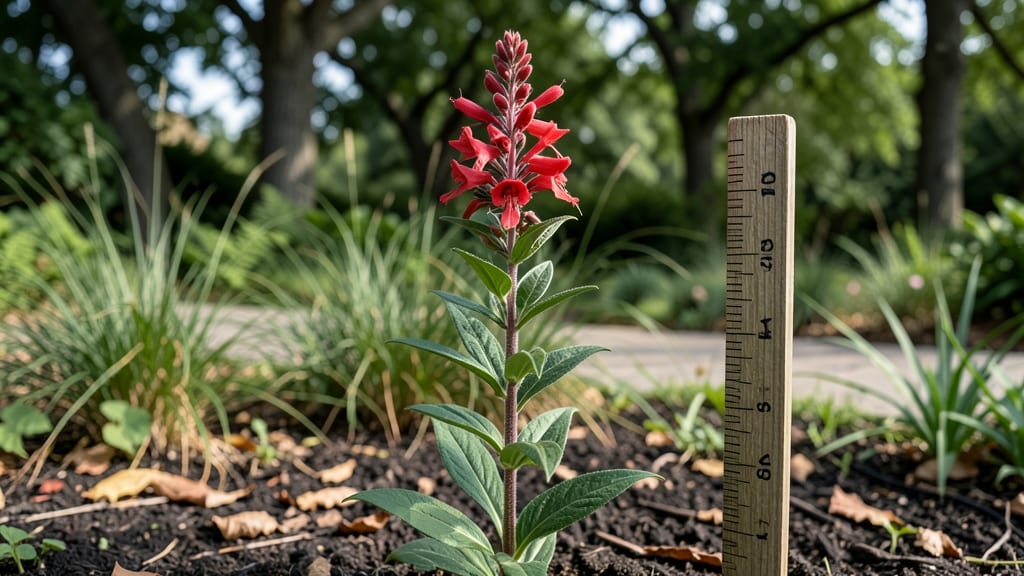
The cardinal flower 🌸 grows between 2 and 5 feet tall, depending on the variety and growing conditions—making it a striking mid-height star for borders, woodland gardens, or near water features.
If you're dreaming of vibrant red blooms that attract hummingbirds and add drama to your garden, understanding cardinal flower height is key to placing it perfectly—whether you want it as a bold focal point or a lush border plant.
Some varieties, like the classic Lobelia cardinalis, can reach 5 feet in ideal conditions, while others stay shorter, around 2 to 3 feet. The difference often comes down to soil moisture, sunlight exposure, and how much you prune.
Below, I’ll break down how to encourage the perfect height for your garden—plus common mistakes that might leave your cardinal flower leggy or stunted.


Cardinal flower height by variety: a complete growth chart
If you're planning your garden layout around cardinal flowers (Lobelia cardinalis), knowing their mature height is essential. These striking red blooms can vary significantly between varieties and growing conditions.
Whether you're aiming for a dwarf variety or a towering standard type, understanding these differences helps you create the perfect visual impact.
The cardinal flower typically reaches heights between 2 to 5 feet, but this range can shift based on climate, soil moisture, and sunlight exposure. For example, Lobelia siphilitica, a close relative, often grows taller in cooler northern climates while staying shorter in hotter southern regions.
Let’s break down the specifics by variety and how to optimize their growth for your garden.
In humid climates like the Pacific Northwest, cardinal flowers often grow taller due to increased moisture, while in dry regions like the Southwest, they may stay shorter unless provided with consistent water.
The soil type also plays a role—rich, moist but well-draining soil encourages taller growth, while poor or sandy soil can stunt their height.
For container gardening, dwarf varieties like 'Queen Victoria' thrive at 2-3 feet, making them perfect for balconies or patios. These compact types also work well in rock gardens or as edging plants.
If you're using them in moisture-loving gardens, like near ponds or streams, expect them to reach their full height potential of 4-5 feet when happy.
Another factor is pruning habits. Regular deadheading (removing spent blooms) encourages bushier growth, which can slightly reduce height but increases the number of flowers. Conversely, minimal pruning allows the plant to focus energy on vertical growth, resulting in taller stems.
This is especially useful if you're using cardinal flowers as a backdrop plant in your garden design.
If you're in a cooler USDA Zone 4-5, expect cardinal flowers to grow taller due to longer growing seasons. In warmer Zones 7-9, they may bloom earlier but stay shorter unless given extra care.
Always plant them in partial shade to prevent legginess, which can make them appear taller but weaker. A mix of morning sun and afternoon shade is ideal for balanced growth.
For hummingbird gardens, taller varieties like the standard 'Cardinal' create a stunning vertical display that attracts these pollinators. Pair them with companion plants like asters or bee balm to create a layered effect.
In small-space gardens, opt for dwarf varieties to avoid overwhelming the area while still enjoying their vibrant blooms.
Pro tip: If your cardinal flowers are growing too tall for your space, try pinching back the stems in early summer. This encourages lateral branching and a fuller, more compact shape. Just avoid heavy pruning after mid-summer, as it may reduce fall blooming.
Now that you know how tall cardinal flowers grow by variety, you can confidently choose the perfect type for your garden’s layout and climate. Whether you're aiming for a dramatic focal point or a bushy border plant, these height guidelines will help you plan with precision.
How to control cardinal flower height for your garden layout
Controlling the height of your cardinal flower is all about balancing pruning, spacing, and companion plants. Since these plants naturally grow between 2 and 5 feet, you can coax them into a more compact form—or let them reach their full dramatic height—with the right techniques.
The key is understanding how they respond to light, water, and physical guidance.
For taller cardinal flowers, focus on providing consistent moisture and partial shade. This encourages vertical growth, perfect for creating a striking backdrop plant in your garden.
If you're aiming for a bushier look, prioritize regular pruning and deadheading to redirect energy into lateral branches rather than just height.
- 🌱 Prune in early summer to encourage bushier growth—cut back leggy stems by 1/3 to promote branching.
- 💧 Water deeply 2-3 times per week to support taller growth, but avoid soggy soil to prevent stunting.
- ✂️ Deadhead spent blooms regularly to prevent the plant from focusing energy on seed production, which can reduce height.
- 🌿 Space plants 18-24 inches apart for dwarf varieties or 3 feet apart for standard types to allow airflow and prevent overcrowding.
- ☀️ Provide morning sun and afternoon shade to prevent legginess, which can make plants appear taller but weaker.
If your cardinal flowers are growing too tall for your space, try pinching back the tips of the stems in early spring. This simple technique stimulates the plant to produce more side shoots, creating a fuller, more compact shape.
Just be sure to do this before the plant starts flowering, as late pruning can reduce bloom production.
For container gardening, choose dwarf varieties like 'Queen Victoria' to keep heights manageable at 2-3 feet. Use a well-draining potting mix and a container with at least 12-inch depth to support healthy root growth.
Place containers in a spot with partial shade to prevent the plant from stretching toward light.
Pairing cardinal flowers with taller companions, like delphiniums or hollyhocks, can create a stunning layered effect in your garden. Conversely, shorter perennials like heuchera or coral bells will draw attention to their vibrant blooms.
The right companions not only influence height dynamics but also enhance pollinator activity, making your garden a buzzing hub.
Remember, cardinal flowers thrive in moist, well-draining soil. If your garden soil is sandy or dry, amend it with compost or peat moss to improve moisture retention. This simple step can make a big difference in encouraging the ideal height for your garden layout.
With the right care, you can shape your cardinal flowers into the perfect focal point or border plant that complements your garden’s design.