
Plants
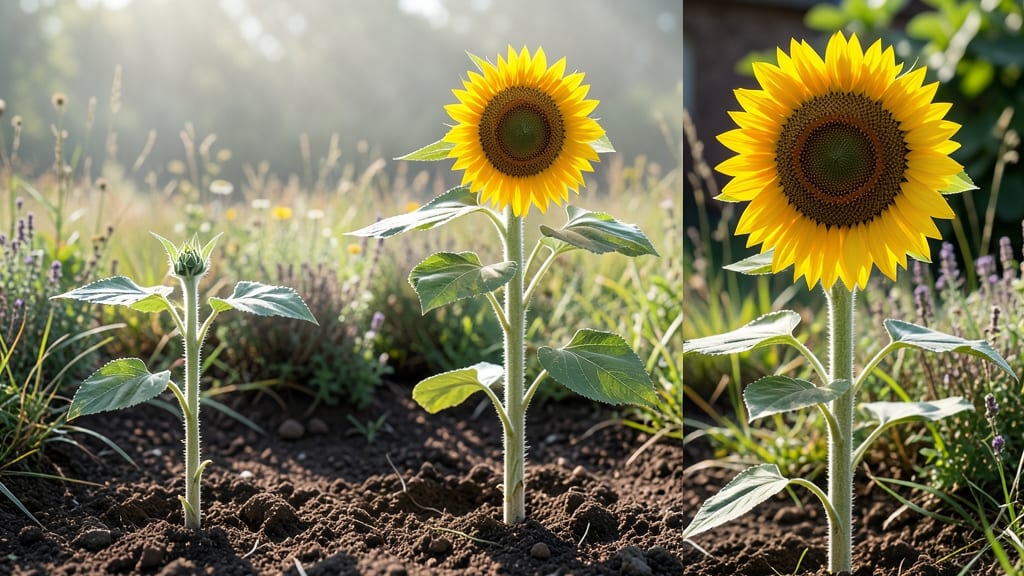
How tall do sunflower plants grow? They range anywhere from 1 foot to a staggering 18 feet, depending on the variety you choose—and that range can change how you plan your garden.
Imagine a 3-foot-tall sunflower 🌻 brightening a patio container one year, then a 12-foot giant looming over your fence the next. The difference isn’t just about space—it’s about the sunflower’s purpose, from cut flowers to birdseed production.
Dwarf varieties like ‘Teddy Bear’ stay under 3 feet, perfect for small yards, while giants like ‘Mammoth’ can reach 14–18 feet, needing wide-open fields.
Below, I’ll break down how to pick the right height for your garden and what factors—like sunlight and soil—can push a plant toward its full potential.
Whether you’re dreaming of a sunflower border or a single showstopper, knowing these heights helps you avoid overcrowding, maximize pollinators, and even troubleshoot stunted growth before it starts.


Sunflower height ranges: from dwarf varieties to towering giants
If you’ve ever wondered how tall do sunflower plants grow, the answer will surprise you. Sunflowers aren’t just cheerful garden stars—they’re architectural wonders with heights ranging from dwarf patio varieties to giant sunflowers that can outshine your entire backyard.
The right choice depends on your space, goals, and growing conditions, and understanding these height ranges helps you plan like a pro.
Sunflower heights typically fall into three distinct categories: dwarf varieties (1-3 feet), medium-height types (3-6 feet), and giant sunflowers (8-18 feet). Each category thrives under slightly different conditions, from container gardening to sprawling fields.
Let’s break down what you need to know to pick the perfect sunflower for your garden’s vertical vision.
Dwarf sunflowers, like the popular ‘Teddy Bear’ or ‘Moulin Rouge’ varieties, are perfect for small spaces or container gardening. They thrive in well-draining soil and need at least 6 hours of sunlight daily.
Their compact size makes them ideal for pollinators like bees and butterflies, adding both beauty and ecosystem value to your garden.
Medium-height sunflowers, such as ‘Autumn Beauty’ or ‘ProCut’, strike a balance between manageability and impact. These varieties grow 3–6 feet tall and are excellent for cut flower arrangements or border plantings.
They demand slightly richer soil and consistent moisture, especially during their 60–90-day growing season. Staking may be needed in windy areas to prevent toppling.
For those dreaming of giant sunflowers, varieties like ‘Mammoth’ or ‘Russian Giant’ can reach 10–18 feet tall, making them true garden showstoppers. These sunflowers need deep, loose soil to support their massive root systems and 8+ hours of sunlight to fuel their rapid growth.
Plant them in open areas where their towering presence won’t obstruct pathways or power lines.
All sunflowers share similar soil requirements: a pH between 6.0–7.5 and well-draining conditions. Amend heavy clay with compost to improve aeration, and avoid waterlogged spots. Fertilize lightly at planting (use a balanced 10-10-10 formula) and again when stems reach 1–2 feet tall to encourage strong growth without excessive foliage.
One common misconception is that taller sunflowers always need more water. While giants do require deep, infrequent watering (1–1.5 inches per week), dwarf varieties actually need more frequent moisture to prevent their stems from becoming woody.
Mulch around the base of all sunflowers to retain soil moisture and suppress weeds, which can compete for nutrients and stunt growth.
If you’re growing sunflowers for seed production, taller varieties are ideal—their height helps prevent birds from accessing seeds before harvest. For cut flowers, medium-height types offer the best balance of stem length and manageable size.
And for children’s gardens, dwarf varieties are safest, as their shorter stature reduces the risk of tripping hazards.
Pro tip: To encourage straight, sturdy stems in tall varieties, plant seeds 1 inch deep and thin seedlings to 12–18 inches apart. Avoid overcrowding, which can lead to weak, leggy plants prone to lodging.
For extra support, install stakes or cages early in the growing season before stems become too thick to handle.
Whether you’re aiming for a whimsical patio display or a record-breaking giant, sunflowers deliver year after year. Their height isn’t just a matter of aesthetics—it directly impacts their pollination success, pest resistance, and even their seed yield.
Choose wisely, and your sunflowers will reward you with both beauty and bounty.
How sunflower height affects your garden design and growth strategy
Choosing sunflowers based on height isn't just about aesthetics—it's a strategic decision that impacts your garden's layout, pollination success, and even pest control. Tall varieties create stunning focal points but require sturdy supports and careful spacing, while dwarf types thrive in containers or small spaces.
The right choice transforms your garden from a cluttered mess to a well-structured oasis.
Taller sunflowers (8-18 feet) attract more pollinators like bees and butterflies, boosting your garden's ecosystem health. Their height also makes them less accessible to ground-dwelling pests.
Meanwhile, shorter varieties (1-6 feet) offer easier maintenance and work beautifully in companion planting schemes, shielding smaller plants from harsh winds while providing shade.
🌻 Key Height Considerations for Your Garden
- 1 Use dwarf varieties (1-3 ft) in containers or small yards to save space while still enjoying sunflowers' vibrant blooms.
- 2 Plant medium-height (3-6 ft) sunflowers as windbreaks for delicate plants like lettuce or basil, protecting them without overshadowing.
- 3 Tall varieties (8-18 ft) create privacy screens or focal points in large gardens, but require 2-3 feet of spacing to prevent overcrowding.
- 4 Mix heights for layered pollinator attraction: Tall sunflowers draw bees from a distance, while shorter varieties provide landing platforms for butterflies.
- 5 Taller sunflowers act as natural pest deterrents by confusing aphids and other insects with their height and scent.
For small-space gardens, consider companion planting with shorter sunflowers like 'Teddy Bear' (2-3 ft) alongside radishes or beans. The sunflowers provide shade for the soil, reducing moisture loss, while their roots improve soil aeration.
In larger areas, arrange tall varieties in rows or clusters to create a living windbreak that protects your garden's edges.
Height also affects pollination efficiency. Tall sunflowers (10+ ft) receive better air circulation, which helps distribute pollen more effectively. If you're growing sunflowers for seeds, consider placing them 10-15 feet apart to ensure cross-pollination. For cut flowers, shorter varieties (3-6 ft) are easier to harvest and transport.
Pro tip: Use sturdy stakes or cages for varieties over 6 feet to prevent lodging (falling over) in windy conditions. For containers, choose dwarf or semi-dwarf varieties like 'Moulin Rouge' (3-4 ft) and ensure pots are at least 12 inches deep with drainage holes.
Mulch around the base to retain moisture and reduce competition from weeds.
Remember, sunflower height isn't just about space—it's about creating a balanced ecosystem in your garden. By strategically placing different heights, you'll enhance both the visual appeal and the functional benefits of these versatile plants. 🌻🌿✂️