
Flowers
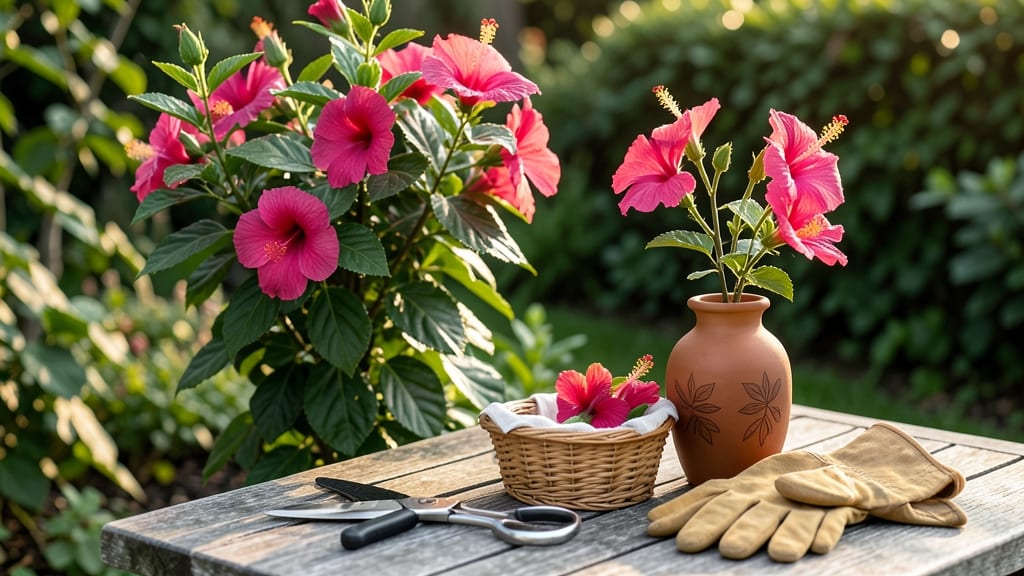
Harvesting hibiscus flowers at their peak keeps their vibrant color and flavor intact—whether you're saving them for tea, crafts, or fresh bouquets.
Hibiscus flowers aren’t just stunning—they’re edible, medicinal, and perfect for crafts, but harvesting them at the wrong time can ruin their beauty and flavor. Learn the precise timing and gentle techniques to pick hibiscus blooms that stay vibrant longer, whether for tea, garnishes, or dried arrangements.
The best time to harvest is early morning when petals are fully unfurled and bright, ensuring maximum freshness and longevity. Avoid overcrowded stems or wilting blooms—they won’t last as long after picking.
In this guide, I’ll walk you through the step-by-step process for harvesting hibiscus flowers without damaging the plant, plus tips for storing and preserving them for months. Ready to turn your garden’s best blooms into long-lasting treasures?


Best time of day to harvest hibiscus flowers for maximum freshness
Timing matters more than you might think when harvesting hibiscus flowers. The difference between a morning harvest and an evening one can mean the difference between vibrant, long-lasting blooms and wilted petals within hours.
Science shows that temperature fluctuations and dew accumulation at night can accelerate degradation, while morning sunlight preserves chlorophyll and anthocyanin pigments, keeping colors bright.
For edible hibiscus like the Hibiscus sabdariffa (roselle) or ornamental varieties, the best harvest window is between 6 AM and 9 AM. This is when transpiration rates are low, and flowers have absorbed overnight moisture without yet facing midday heat stress.
Waiting until afternoon risks wilting and color fading—critical if you're preparing them for hibiscus tea or floral arrangements.
Weather plays a surprisingly large role in bloom quality. After humid nights or recent rain, flowers may retain excess moisture, making them more prone to mold or bacterial rot during storage. On the other hand, dry, sunny mornings with low humidity (below 60%) create ideal conditions for harvesting.
Always check the flower’s stem—if it feels slimy or damp, wait a few hours for excess moisture to evaporate.
If you're harvesting for dried hibiscus, morning-picked flowers yield the best results because their petal structure remains intact longer during the drying process.
The anthocyanins (pigments responsible for red/purple hues) degrade faster when exposed to heat or moisture, so avoid harvesting after 10 AM if your goal is to preserve color. For white or yellow hibiscus, timing is less critical, but morning still ensures maximum crispness.
Seasonal shifts also demand adjustments. In summer months (July-August), hibiscus blooms open earlier due to longer daylight hours, so aim for 5 AM harvests to catch them at peak freshness. Conversely, in early spring or fall, when days are shorter, a 7-8 AM window works best.
Always prioritize fully open blooms—look for visible stamens and bright, unfurled petals as your cue.
Pro tip: Use a digital thermometer to monitor ideal harvest temperatures. Hibiscus flowers thrive when harvested between 60°F and 75°F (15°C-24°C). Below 55°F (13°C), petals may close prematurely, and above 80°F (27°C), they’ll wilt faster.
Pair this with a humidity gauge—keep it below 65% for optimal shelf life.
For tropical hibiscus varieties (like Hibiscus rosa-sinensis), which are more sensitive to temperature swings, morning harvests are non-negotiable. These varieties often close their blooms at night and may not reopen if disturbed.
By picking them in the morning, you ensure they’ve had a full night to hydrate and expand—resulting in larger, more vibrant flowers.
Finally, never harvest hibiscus flowers in the rain or immediately after watering. The excess moisture accelerates bacterial growth on petals, leading to
Step-by-step guide to harvesting hibiscus without damaging the plant
Harvesting hibiscus flowers correctly encourages your plant to produce more blooms while keeping the flowers vibrant for longer. The key is using the right tools and techniques—whether you're working with tropical, hardy, or dwarf varieties.
A sharp cut at the right spot prevents disease and promotes regrowth, so let’s dive into the process.
First, choose the right harvesting tools for the job. Bypass pruners work best for thicker stems, while sharp scissors are ideal for delicate dwarf varieties. Avoid tearing petals, as this shortens their lifespan. Always sterilize your tools with rubbing alcohol before and after use to prevent bacterial spread between cuts.
Step-by-Step Harvesting Guide
- Step 1: Wait until flowers are fully open with bright petals and visible stamens. Avoid buds or wilting blooms.
- Step 2: Hold the stem at a 45-degree angle, about 1/4 inch above a leaf node (where new growth emerges).
- Step 3: Use a single, clean cut with pruners or scissors. Avoid crushing the stem.
- Step 4: For tropical hibiscus, harvest in the morning to preserve moisture. For hardy varieties, evening harvests work too.
- Step 5: Remove any lower leaves from the stem to prevent mold during storage.
- Step 6: Place harvested flowers in cool water immediately to extend freshness for 3–5 days.
Different hibiscus varieties require slight adjustments. Tropical hibiscus (like Hibiscus rosa-sinensis) need gentle handling since their stems are more delicate. Hardy hibiscus (e.g., Hibiscus moscheutos) can handle firmer cuts but still benefit from morning harvests. Dwarf varieties (like Hibiscus coccineus) produce smaller blooms—harvest them carefully to avoid damaging the compact growth habit.
After harvesting, inspect your plant for signs of stress. If you see yellowing leaves or stunted growth, reduce harvesting frequency or fertilize lightly with a balanced 10-10-10 mix to encourage recovery.
Prune back any damaged stems to redirect energy to new blooms. With the right care, your hibiscus will reward you with continuous flowering all season long.
Pro tip: Label your harvested flowers by variety and harvest date. This helps track which types yield the brightest colors and longest-lasting blooms for your specific climate. Store them in a paper towel-lined container in the fridge to maintain freshness until you’re ready to use them.
Now that you’ve mastered the art of harvesting, your hibiscus will thrive—and so will your tea, crafts, or floral arrangements! 🌺