
Flowers
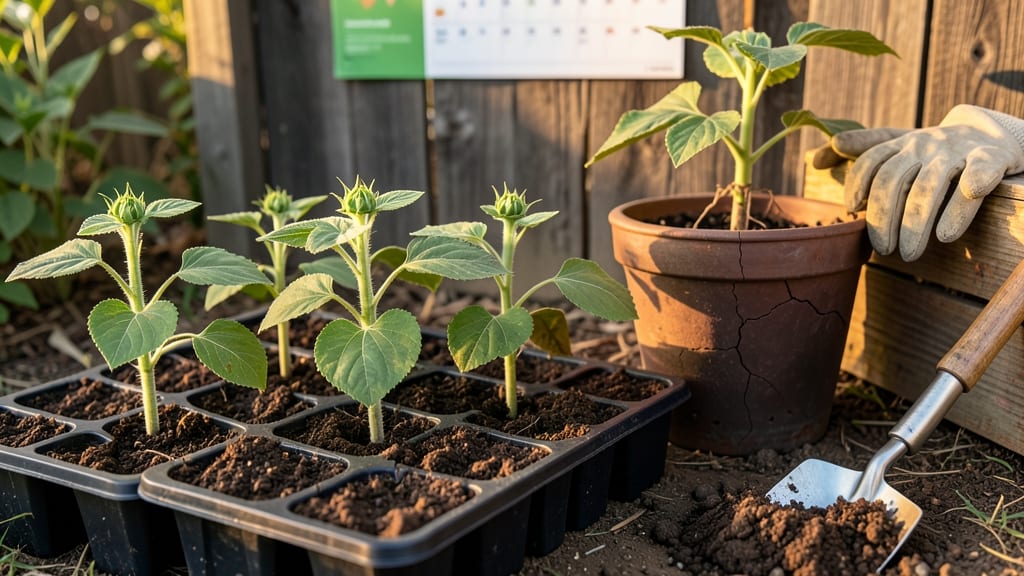
Planting sunflowers in Southern California at the right time means the difference between towering 🌻 blooms and wilted disappointment before summer even arrives.
You’ve probably seen those 12-foot giants in neighbors’ yards and wondered how they pull it off—only to plant yours too early and watch them droop by June.
The secret isn’t just timing; it’s knowing when the soil warms enough to avoid heat stress and when to adjust for coastal breezes versus inland scorching.
Inland valleys like Riverside can plant as early as late February, while coastal areas like San Diego wait until March to avoid chilly ocean winds. But here’s the kicker: even the best timing won’t help if you don’t prep the soil or water correctly for SoCal’s intense sun.
Below, I break down the exact weekly windows by region, plus the care tweaks that keep your sunflowers thriving until harvest—no guesswork, just results.
Southern California sunflower planting calendar: best weeks by region
Southern California’s diverse microclimates mean your sunflower planting timing should vary dramatically between coastal areas, the Inland Empire, and desert regions. While coastal cities like Los Angeles and San Diego enjoy milder winters, inland areas like Riverside and Palm Springs face extreme summer heat.
Planting at the right time ensures your sunflowers grow strong before summer’s peak—when temperatures can exceed 100°F and cause wilting.
For all regions, aim to plant when soil temperatures reach at least 50°F (10°C)—this triggers faster germination and reduces transplant shock. Coastal areas can start earlier due to cooler nights, while desert regions should delay until late winter to avoid early heat stress.
Let’s break down the optimal planting weeks for each SoCal zone, plus soil prep tips to set your sunflowers up for success.
🌱 Key Soil Prep Tip: Amend your soil with compost and a balanced fertilizer (5-10-10) before planting. Southern California soils are often sandy—adding organic matter improves moisture retention and nutrient availability. Test your soil’s pH (ideal range: 6.0-7.5), and adjust with lime if it’s too acidic.
| Region | Best Planting Weeks | Soil Temp Goal | Heat Strategy |
|---|---|---|---|
| Coastal (LA, San Diego, Santa Barbara) | Week of January 28 – March 17 | 50–55°F (10–13°C) | Use shade cloth in June–August |
| Inland Empire (Riverside, Ontario, San Bernardino) | Week of February 11 – March 24 | 55–60°F (13–16°C) | Plant dwarf varieties for heat tolerance |
| Desert (Palm Springs, Joshua Tree, Coachella) | Week of March 10 – April 7 | 60–65°F (16–18°C) | Water deeply at night to reduce evaporation |
| Fall Planting (All Regions) | Week of September 15 – October 13 | 60–65°F (16–18°C) | Harvest before December to avoid rare frost |
In coastal regions, you can start as early as late January when soil temperatures are mild. Areas like Malibu or San Diego benefit from cooler ocean breezes, allowing sunflowers to establish roots before summer’s heat intensifies.
Use shade cloth (30–50%) during peak afternoon sun in June and July to protect young plants from wilting.
For the Inland Empire, delay planting until mid-February to avoid early heat stress. Soil in Riverside or Ontario warms quickly, so aim for weeks when nighttime temperatures stay above 55°F (13°C).
Choose dwarf varieties like ‘Teddy Bear’ or ‘Moulin Rouge’—they tolerate heat better than tall types and are perfect for containers or small gardens.
The desert regions demand the latest planting window to avoid summer’s extreme heat. In Palm Springs or Joshua Tree, wait until early April when soil temperatures exceed 60°F (16°C).
Water deeply at night to minimize evaporation, and mulch heavily with straw or wood chips to retain moisture. Desert sunflowers thrive with drip irrigation to deliver water directly to roots.
Fall planting is a hidden gem for Southern California gardeners. Plant sunflowers in September to enjoy blooms through late fall and early winter. Coastal areas can extend this window into early October, while inland regions should finish by mid-October to avoid rare December frost.
Fall-planted sunflowers often produce larger blooms because they avoid summer’s heat stress.
Pro tip: Start seeds indoors 4–6 weeks before your region’s outdoor planting window. Use biodegradable pots to transplant seedlings without disturbing roots. Place trays under grow lights or in a sunny window, and harden off seedlings by gradually exposing them to outdoor conditions for 1–2 weeks before transplanting.
After planting, monitor your sunflowers for heat stress signs like drooping leaves or yellowing foliage. Adjust care by providing afternoon shade or increasing water frequency during 100°F+ days. With the right timing and adjustments, your sunflowers will stand tall and proud—even under SoCal’s relentless sun. 🌻
How to avoid heat stress in sunflowers: pro tips for SoCal gardeners
Southern California’s summer heat can turn your sunflowers into crispy souvenirs instead of stunning blooms. Even though sunflowers love the sun, they need strategic care to survive our 100°F+ afternoons.
The key is balancing their love for sunlight with protection from extreme heat—think of it like giving them a desert vacation with shade and hydration.
I’ve grown sunflowers in San Diego’s coastal breeze and the Inland Empire’s furnace, and the difference in survival rates is night-and-day. With the right adjustments—like timed shade cloth and deep watering rituals—you can keep your sunflowers thriving even when the mercury spikes.
Let’s dive into the pro tips that’ll keep your plants lush and happy all summer long.
- 1 Install shade cloth by mid-May—use 30-50% shade to block the harshest afternoon sun (12 PM–4 PM). Remove it by late August to restore full sunlight for flower development.
- 2 Water deeply every morning—aim for 1.5–2 gallons per plant before 8 AM. Mulch with 3 inches of straw to retain moisture and cool roots. Avoid evening watering to prevent fungal risks.
- 3 Plant companion crops like bush beans or marigolds to improve airflow and deter pests. These plants also compete less for water than sunflowers during peak heat.
- 4 Avoid fertilizing in summer—sunflowers go dormant in June–August. Skip nitrogen-heavy feeds; instead, add compost tea in September to prep for fall planting.
- 5 Monitor for heat stress signs: Wilting leaves, yellowing stems, or drooping buds mean it’s time to act. Move potted sunflowers to shadier spots immediately and increase watering frequency.
One of my biggest mistakes was ignoring the shade cloth deadline. Last summer, I kept it up too late, and my ‘Moulin Rouge’ sunflowers turned into sad, wilted sticks by July.
Now, I mark my calendar for May 15th—that’s when I start the shade routine. Pro tip: Use removable shade cloth stakes so you can adjust coverage as the sun shifts.
For container-grown sunflowers, move them to a shadier patio or garage-side spot during heatwaves. I’ve seen pots reach 120°F+ on black plastic containers—just imagine what that does to roots! Swap to light-colored pots with drainage holes and bury them halfway in the ground to stabilize temperature.
Don’t underestimate the power of companion planting. In my Orange County garden, I pair sunflowers with basil and nasturtiums. The basil repels pests like aphids, while nasturtiums attract pollinators without competing for water. It’s a win-win that keeps everything thriving without extra effort.
If you’re planting sunflowers in September for a fall bloom, focus on soil moisture and evening shade until roots establish. I’ve had success with ‘Autumn Beauty’ varieties because they tolerate cooler nights better than spring-planted types.
Just remember: Heat stress is preventable—it’s all about timing, hydration, and a little shade love.
Your sunflowers will reward you with bold, happy blooms all season if you follow these steps. Trust me, there’s nothing like watching a 12-foot sunflower stand tall in your garden, even when the rest of the neighborhood wilts.
Now grab your shade cloth and watering can—your sunflowers are counting on you! 🌻