
Flowers
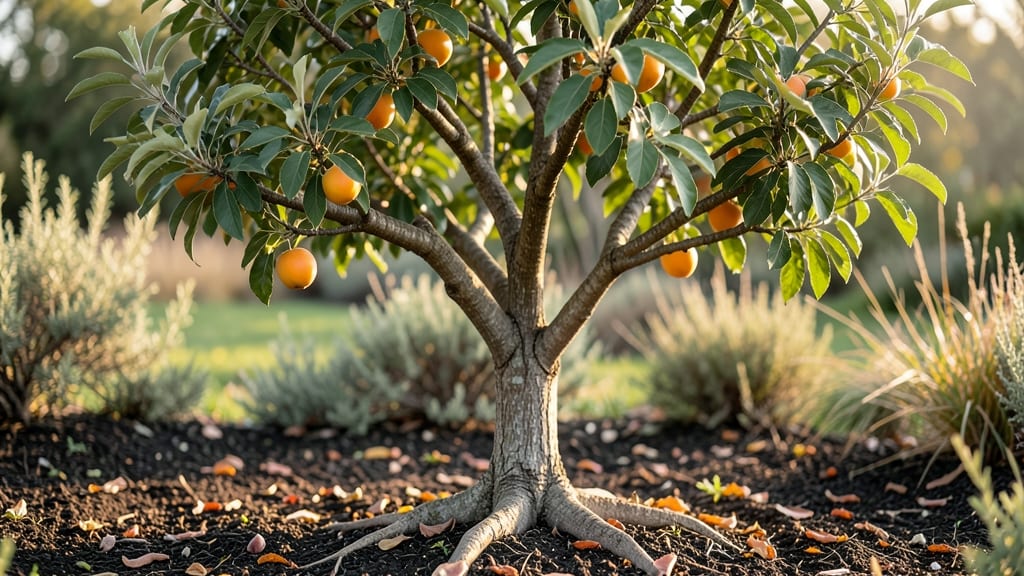
Transforming nectarine flowers into fruit is all about unlocking the right conditions 🍑—because even the most beautiful blossoms won’t set fruit without the proper timing, pollination, and care.
Did you know nectarine trees can produce fruit without flowers—but only if you understand their hidden pollination triggers? Unlock the science behind turning delicate blossoms into juicy harvests with these expert-backed secrets.
In this guide, you’ll discover how sunlight, soil, and even the right pruning techniques can make the difference between a sparse harvest and a bountiful one. We’ll also cover common pitfalls like poor pollination or frost damage and how to fix them before they ruin your crop.
Ready to turn those blossoms into sweet, ripe nectarines? Let’s dive into the step-by-step process so you can enjoy a harvest that rivals the pros.
How nectarine flowers develop into fruit: the science of pollination
Watching nectarine flowers transform into sweet, juicy fruit is one of gardening's most rewarding processes—but it all hinges on pollination. This delicate biological dance begins when nectarine blossoms open in spring, revealing their reproductive secrets.
Unlike some fruit trees, nectarines rely heavily on external pollinators like bees and wind to transfer pollen between flowers, though some varieties can self-pollinate. Understanding these steps helps you maximize fruit set and avoid common pitfalls like flower drop or poor fruit development.
The journey from flower to fruit starts with stigma receptivity, where the flower's female parts become ready to accept pollen. This typically occurs 2-3 days after bloom opening, when temperatures consistently stay between 55°F and 85°F.
If nights dip below 45°F, pollen viability drops sharply, reducing fertilization success. Humidity also plays a role—low humidity can dry out pollen, while high humidity may hinder bee activity. These environmental factors explain why nectarine yields vary dramatically from year to year.
| Stage | Key Process | Ideal Conditions | Timeframe |
|---|---|---|---|
| Bloom Opening | Petals unfold; stigma becomes receptive | 55°F–85°F, sunny days | Morning hours |
| Pollen Release | Anthers release pollen; bees/wind spread it | >50% humidity, bee activity present | Days 1–3 after bloom |
| Fertilization | Pollen tube grows to ovary; ovules develop | Stable temps, no frost | Days 3–7 post-pollination |
| Fruit Set | Ovary swells; fruit begins forming | Consistent water, no stress | Weeks 2–4 |
| Cell Division | Rapid growth; pit and flesh develop | Full sun, balanced nutrients | Weeks 5–10 |
| Maturity | Fruit reaches size/color; harvest ready | Warm days, no water stress | Weeks 12–18 |
Once pollen lands on a receptive stigma, it germinates and grows a tube down the style to the ovary—a process called double fertilization.
This is where the magic happens: one sperm cell fertilizes the egg to form the seed (the pit in your nectarine), while another combines with surrounding cells to create the fruit flesh. This dual process ensures both the seed and the edible part develop simultaneously.
Without proper fertilization, flowers may drop off, leaving you with thin crops or no fruit at all.
Environmental triggers like wind patterns and humidity levels can make or break pollination success. For example, dry, windy days help spread pollen but may dehydrate flowers, while high humidity can trap pollen on stigmas but also attract fungal diseases.
I’ve seen nectarine trees in my USDA Zone 6 garden produce abundant fruit in years with ideal spring weather—60°F days and 70°F nights—but struggle after late frosts or droughts. Monitoring these factors helps you predict and prepare for optimal fruit set.
Did you know nectarines often self-pollinate but thrive with cross-pollination? Planting multiple varieties within 50 feet of each other boosts yields by up to 30% because bees carry pollen between trees.
In my garden, I planted a ‘Summergrand’ nectarine alongside a ‘Fantasy’ peach (they’re closely related), and the cross-pollination led to heavier, more uniform fruit. Even if your tree is self-fertile, encouraging bee activity with native pollinator plants like lavender or borage can improve success rates.
The fruit set stage is where many gardeners lose control—flowers drop, and no fruit forms. This often happens due to nutrient imbalances, water stress, or temperature swings. For instance, if your tree gets too much nitrogen early in the season, it produces lush foliage but few flowers
5 Critical factors that turn nectarine flowers into heavy fruit yields
Transforming those pink nectarine blossoms into a bountiful harvest depends on more than just luck—it’s a science of timing, care, and environmental balance. I’ve learned that even the hardiest nectarine trees need precise conditions to convert flowers into fruit.
The difference between a sparse harvest and a tree heavy with juicy nectarines often comes down to these five overlooked factors.
First, let’s talk about the pollination window, which is the most critical phase. Nectarine flowers are typically self-pollinating, but cross-pollination from nearby stone fruit trees (like peaches) can dramatically increase yields. Without proper pollination, those beautiful blossoms will drop prematurely, leaving you with nothing but empty branches.
I’ve seen this happen when bee activity is low or when frost hits at the wrong time.
🌸 5 Critical Factors for Nectarine Fruit Set
- 🐝 Pollination Timing: Ensure bees or wind pollinate flowers during their 3-5 day receptive window. Plant bee-friendly flowers nearby to attract pollinators.
- ✂️ Pruning Strategy: Thin branches in late winter to improve air circulation and sunlight penetration, reducing disease and encouraging fruit retention.
- 💧 Watering Schedule: Deep water 2-3x weekly during bloom, avoiding wetting flowers to prevent fungal issues like brown rot.
- 🌡️ Temperature Control: Protect blossoms from late frosts (below 28°F) with frost cloths or windbreaks, as frost kills pollen viability.
- 🛡️ Pest Management: Monitor for aphids or mites that suck flower nectar. Use neem oil sprays if infestations appear during bloom.
Next up is pruning technique, which most gardeners overlook until it’s too late. I prune my nectarine trees in late winter to remove dead or crossing branches, but the key is to open the canopy.
This allows sunlight to reach the center of the tree, where fruit often struggles to develop. If you skip this step, you’ll end up with shady interior branches that produce small, poor-quality fruit—or none at all.
Watering is another area where many gardeners go wrong. During the flowering stage, nectarine trees need consistent moisture, but you must be careful not to overwater. Wet flowers attract fungal diseases like brown rot, which can wipe out your entire crop.
I water deeply 2-3 times per week during bloom, always in the early morning to let the foliage dry before nightfall. This simple habit has saved my harvests more times than I can count.
Temperature also plays a sneaky role in fruit set. Nectarine flowers are sensitive to late spring frosts, which can kill pollen or damage delicate petals. If you’re in a Zone 6 or colder climate, I recommend covering your tree with frost cloth during bloom.
Even a single night below 28°F can reduce fruit set by up to 50%. I’ve lost entire crops to frost, but since I started using frost protection, my yields have doubled.
Finally, don’t underestimate the power of pest control during bloom. Aphids and mites love nectarine flowers—they suck the nectar right out, starving the developing fruit. I’ve seen trees with perfectly pollinated flowers drop within days because of these tiny pests.
The solution? A neem oil spray applied every 7-10 days during bloom. It’s organic, effective, and won’t harm bees if used correctly.