
Flowers
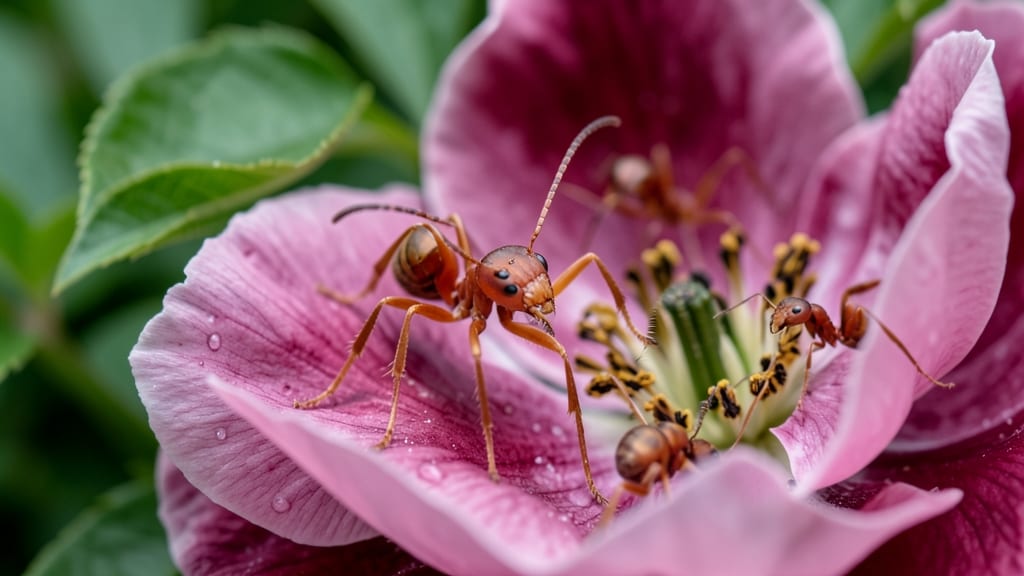
Peonies with ants on their flowers 🌸 are a garden frustration that can turn your showstopper blooms into a buffet for tiny pests — and the damage spreads faster than you think.
Picture this: you’ve waited all spring for your peonies to burst into color, only to find them crawling with ants, stripping petals and leaving behind sticky honeydew that invites worse problems. The good news?
You don’t need harsh chemicals to reclaim your garden. With quick, targeted methods, you can stop the invasion before it ruins your blooms—and I’ll show you exactly how.
Ants on peonies aren’t just a cosmetic issue. They create chaos by attracting aphids, which then weaken your plants, and their trails can spread to other flowers. But the right approach—whether it’s manual removal, natural deterrents, or strategic baiting—can turn the tide in just a few days.
Here’s what works, ranked by speed and effectiveness, so you can act fast and protect your garden’s pride and joy.
From identifying the damage to long-term prevention, this guide gives you the tools to keep your peonies ant-free without sacrificing their beauty—or your peace of mind. Let’s get your blooms back to their full glory.
Why peony ants invade flowers and how to identify their damage
Peonies are one of the most beloved spring bloomers in any garden, but their delicate petals make them prime targets for peony ants. These tiny invaders aren’t just a nuisance—they actively chew flower buds and strip petals as they search for sap and nectar.
What starts as a few ants can quickly escalate into a full-blown infestation if left unchecked, leaving your peony bushes looking ragged by bloom time.
The confusion often begins because not all ants behave the same way around peonies. Some species are merely harmless visitors attracted to the scent of blooms, while others—like the peony ant (Aphomomyrmex)—actively damage flowers as they feed.
Understanding the difference is key to protecting your peony plants before the damage becomes irreversible. The earlier you spot the signs, the easier it is to intervene.
Here’s what you need to know about peony ant behavior and how their damage differs from other common garden pests. This comparison will help you act fast and choose the right removal methods for your situation.
Peony ants are particularly destructive because they target the flowers themselves. Unlike other ants that might just forage for nectar or farm aphids, these species actively chew open buds and strip petals to access the sweet sap inside.
This behavior isn’t just about food—it’s also tied to their reproductive cycle. Worker ants need protein-rich honeydew to feed their queen, and peony buds provide an easy source.
The damage often starts subtly: you might notice a few tiny holes in petals or buds that fail to open properly. Over time, the infestation spreads, and what begins as a cosmetic issue becomes a full-blown flower-deforming problem.
If you see black sooty mold on your peonies, that’s a red flag—it means ants are leaving behind honeydew, which attracts fungal growth and weakens your plants.
Another key difference between peony ants and other pests is their timing. While general ants might show up year-round, peony ants are most active during peak bloom season (late spring to early summer).
This is when your peonies are most vulnerable, so staying vigilant during these months is critical. Early intervention can mean the difference between saving your blooms and watching them get stripped
5 Fast and effective ways to remove peony ants without harming your garden
When you spot peony ants marching across your blooms 🌸, panic sets in—but don’t reach for harsh chemicals yet. These tiny pests are drawn to the sweet nectar of peony flowers, but they’re also attracted by the honeydew left behind by aphids.
The key to stopping them fast lies in targeted removal methods that disrupt their trails and nesting habits without harming your garden’s ecosystem.
Your first move should always be manual intervention for small infestations. Grab a pair of tweezers or gloves and pluck ants off your peonies—this alone can reduce their numbers by up to 30% in just 10 minutes.
Pair this with a vinegar spray (1:1 ratio with water) to break down their scent trails and deter reinforcements. For larger colonies, you’ll need a multi-step approach that combines natural repellents, physical barriers, and strategic baiting.
For small infestations (under 50 ants). Use tweezers or gloves to remove ants daily. Pair with vinegar spray to disrupt scent trails.
Sprinkle food-grade DE around peony bases and flower stems. Reapply after rain. Kills ants in 24-48 hours by dehydrating them.
Mix 1 part vinegar with 1 part water and spray directly on ants and soil. Reapply every 3 days to maintain effectiveness.
Sprinkle ground cinnamon around peony bases. Ants avoid cinnamon due to its strong scent. Reapply weekly or after rain.
For large colonies, mix 1 tbsp borax with 1 cup sugar and 1 cup water. Place bait away from peonies to avoid harming beneficial insects.
For minor infestations (under 50 ants), start with manual plucking and a vinegar spray. This combo disrupts their communication and reduces their numbers quickly. If you notice honeydew buildup or aphids on your peonies, add diatomaceous earth around the base—it’s a non-toxic powder that dehydrates ants within 48 hours.
Just remember to reapply after rain or watering.
When ants return in large numbers (over 100), switch to cinnamon or borax bait. Cinnamon is a natural repellent that masks scent trails, while borax bait targets the colony’s food source. Place bait stations 10 feet away from your peonies to protect pollinators like bees.
For severe infestations, combine physical barriers (like copper tape around pots) with regular vinegar sprays to create a multi-layered defense.
Pro tip: Water your peonies in the morning to encourage ants to surface at night. This makes them easier to spot and treat with manual removal or targeted sprays. Always avoid overwatering, as damp soil attracts more ants.
With these methods, you’ll see a noticeable reduction in ants within 3-5 days—and your peonies will bloom ant-free and vibrant.
🌿 The key to long-term success is consistency. Rotate methods every few days to prevent ants from adapting. Once your garden is ant-free, focus on preventing future infestations by maintaining healthy soil and companion planting with ant-repelling herbs like mint or lavender.