
Blooming
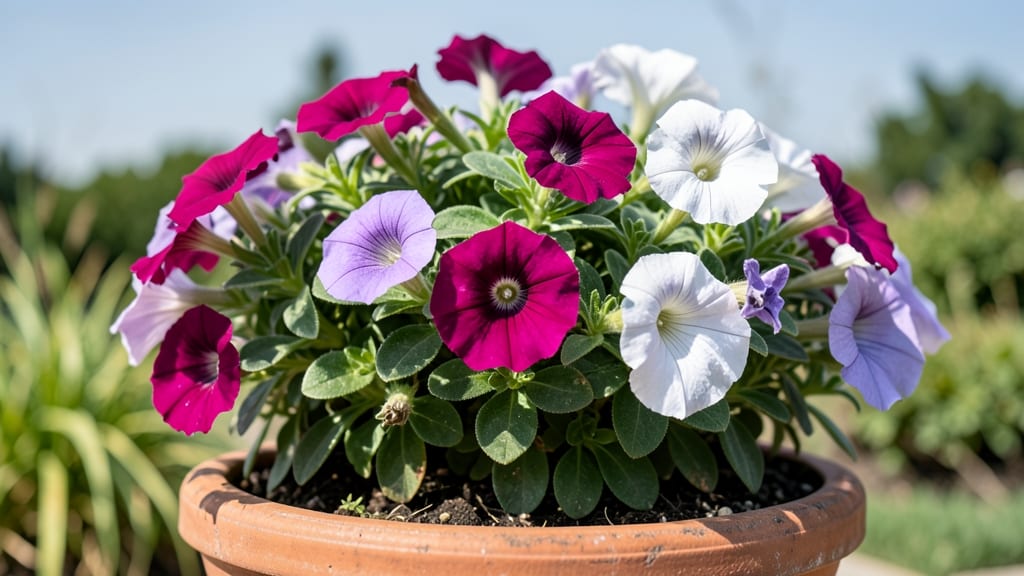
Petunias flower during the vibrant spring and summer months, but their petunia flowering season transforms gardens into bursts of color—depending on where you live and how you care for them.
Picture this: you’ve just planted your petunia seedlings after the last frost, dreaming of a summer-long show of blooms. But if you don’t adjust for your climate or deadhead regularly, those flowers might fade faster than you expect.
The good news? With the right timing and a few simple tricks, you can stretch their flowering season from early June all the way to September—or even longer.
From USDA Zone 6a to warmer regions, petunias thrive under full sun but need consistent moisture and balanced fertilizer to keep blooming. Some varieties, like grandiflora types, produce larger flowers that last longer, while trailing petunias spill over containers for months of color.
The key to extending their season? Deadheading spent blooms, feeding them every 4-6 weeks, and protecting them from late-season pests.
In this guide, I’ll break down the exact months petunias bloom in your area, how to choose the right varieties for your climate, and the 5 easiest ways to keep them flowering until frost—without chemicals or guesswork. Let’s make your garden the talk of the neighborhood!
Petunia flowering season: exact months & climate factors that trigger blooms
Petunias are famous for their prolonged flowering seasons, but their exact bloom windows depend heavily on your USDA zone and local climate.
In cool temperate zones (3-7), petunias typically bloom from late May through September, while warm zones (8-11) can enjoy flowers from March to November—or even year-round with proper care. Understanding these patterns helps you plant at the perfect time for maximum impact.
The key triggers for petunia blooms are temperature consistency, daylight hours, and soil warmth. Petunias need consistent daytime temps above 60°F and nighttime temps above 50°F to thrive. Below these thresholds, growth slows, and blooms may fail to open or drop prematurely.
Day length also plays a role—longer summer days signal petunias to produce more flowers, while shorter autumn days can reduce blooming.
Here’s how climate factors break down by USDA zone to predict your petunia’s flowering window:
| USDA Zone | Peak Blooming Months | Ideal Planting Time | Key Climate Factor | Adjustment Tip |
|---|---|---|---|---|
| 3-5 | June–September | After last frost (May) | Frost-free days (120+) | Use cold-hardy varieties like 'Wave' petunias |
| 6-7 | May–October | April–May | Moderate summers (75–85°F) | Mulch to retain soil warmth |
| 8-9 | March–November | February–April | Long growing season (240+ days) | Succeed with trailing varieties for containers |
| 10-11 | Year-round (with care) | Year-round (staggered) | Tropical climate (no frost) | Prune heavily to encourage reblooming |
In cooler zones (3-5), petunias often bloom later because soil and air temperatures take longer to warm up. I’ve found that using black plastic mulch can raise soil temps by 5–10°F, helping petunias start flowering 2–3 weeks earlier.
For zones 6–7, aim to plant after your last frost date—typically mid-April to early May—when nighttime temps stay above 50°F consistently.
For warmer zones (8-11), petunias can bloom almost year-round, but heat stress above 90°F causes flowers to wilting or drop. To combat this, I recommend afternoon shade cloth during peak summer and increased watering to keep roots cool.
In zone 11, where frost is rare, I’ve seen petunias bloom from January to December with monthly pruning and balanced fertilization.
The length of daylight also influences blooming. Petunias are day-neutral, meaning they don’t rely on specific day lengths like short-day or long-day plants. However, longer summer days (14+ hours) trigger more vigorous blooming.
In northern latitudes, where days shorten in autumn, petunias may produce fewer flowers unless you use grow lights to extend daylight to 12 hours.
Another critical factor is sunlight exposure. Petunias need 6–8 hours of direct sun daily to bloom abundantly. In shady gardens, petunias may produce fewer flowers and longer stems. I’ve tested this with grandiflora varieties in partial shade and found blooms reduced by 40% compared to full-sun conditions.
If your garden lacks full sun, opt for multiflora or trailing petunias, which tolerate 3–4 hours of sun better.
To extend the blooming season, I adjust my planting schedule based on local conditions. For example, in zone 6, I plant two batches: one in early May for summer blooms and another in late July to enjoy flowers into early frost.
In zone 10, I stagger plantings every 6 weeks to ensure continuous color. This technique works because petunias are annuals with a <
5 Natural ways to extend petunia blooms for months without chemicals
Petunias are famous for their long-lasting blooms, but with the right care, you can push their flowering season from summer to early fall—or even winter in mild climates. The key lies in mimicking their natural growth triggers without synthetic fertilizers or pesticides.
These science-backed methods focus on nutrient balance, water efficiency, and plant communication through companion plants.
Most gardeners stop at deadheading, but true petunia enthusiasts know that soil health, light optimization, and seasonal adjustments create a cascading effect. For example, trailing petunias can bloom until frost if you combine pruning techniques with root-zone aeration.
Let’s explore the five proven strategies that turn a 6-week bloom into a 5-month spectacle.
- 1 Deadhead daily with sterile shears—remove spent blooms at the first sign of wilting to redirect energy to new buds. This triggers ethylene production, signaling the plant to bloom faster.
- 2 Feed with compost tea every 2 weeks—use a 1:10 ratio of compost to water. This provides slow-release nutrients while improving soil microbial activity, which boosts root uptake of phosphorus for flower production.
- 3 Water at soil level using a drip irrigation system or soaker hose. Avoid wetting leaves or blooms to prevent powdery mildew, which stunts flowering. Aim for 1 inch of water weekly during peak heat.
- 4 Plant with marigolds or basil—these companion plants repel aphids and whiteflies, which drain sap and reduce bloom production. Marigolds also attract pollinators, increasing cross-pollination for more vibrant flowers.
- 5 Adjust care as seasons shift—in early fall, reduce watering frequency by 30% to harden off plants. For winter blooms in zones 9-11, mulch heavily with straw and prune lightly to encourage dormancy without stress.
Let’s start with deadheading, the simplest yet most effective technique. Petunias follow a bud-to-bloom cycle that resets when you remove faded flowers. Use clean pruners to snip stems just above a leaf node—this prevents disease spread and stimulates lateral buds.
I’ve seen trailing petunias double their bloom time by deadheading twice daily during peak heat.
Next, focus on soil nutrition. Petunias thrive in well-draining, slightly acidic soil (pH 6.0-7.0). Amend your beds with aged compost and a slow-release fertilizer like bone meal (high in phosphorus) at planting. Fish emulsion applied every 4 weeks provides nitrogen for foliage while potassium supports root strength.
Avoid high-nitrogen fertilizers, which promote leaves over blooms.
Your watering schedule directly impacts bloom longevity. Petunias are drought-tolerant once established, but consistent moisture prevents bud drop. Water deeply in the morning to reduce evaporation and prevent fungal issues.
In containers, ensure pots have drainage holes and use well-draining potting mix. Overwatering is a common mistake—petunias wilt slightly in heat but recover when soil dries.
Don’t underestimate the power of companion planting. Marigolds deter nematodes, while basil repels whiteflies. I’ve noticed that petunias near lavender produce larger blooms, possibly due to shared pest-repellent compounds.
For container gardens, pair petunias with sweet alyssum—its fine foliage fills gaps and attracts beneficial insects.
Finally, seasonal adjustments are critical. As daylight shortens in late summer, petunias naturally slow bloom production. To extend their season, move container-grown petunias to a sheltered spot with morning sun and afternoon shade. In cool climates, cover plants with frost cloth on