
Planting
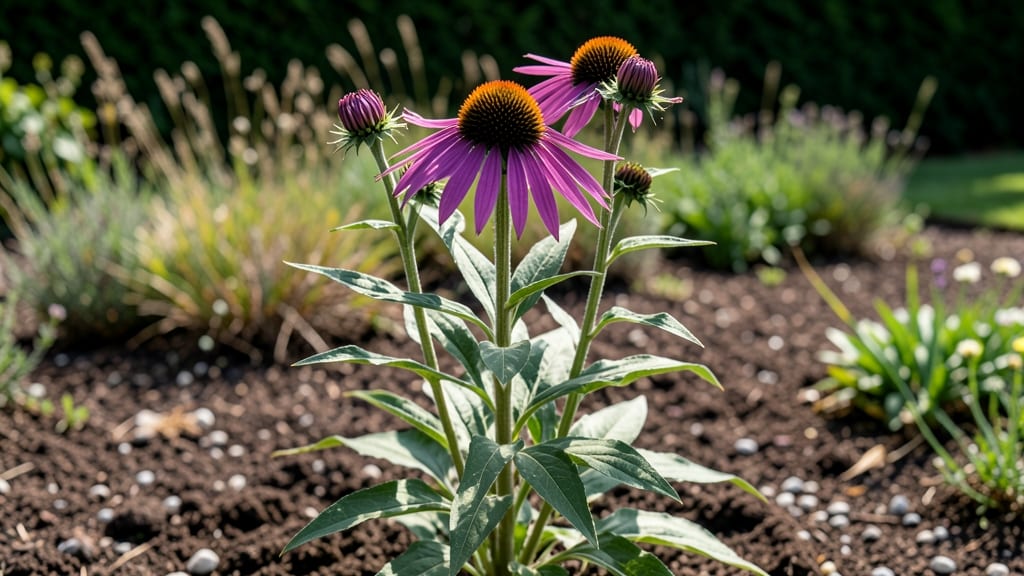
Spacing purple coneflowers correctly is the key to vibrant blooms and healthy plants that thrive for years — and it’s easier than you think.
Picture this: your purple coneflowers 🌼 struggling for space, their stems leaning, blooms sparse, and pests moving in. That’s what happens when spacing is off. But get it right, and you’ll enjoy bold, long-lasting flowers with minimal effort.
The ideal distance depends on where you’re planting: 12–18 inches apart in garden beds, slightly closer in containers, and wider for wildflower meadows. I’ll break down the exact measurements, why they matter, and how to adjust for sun, soil, and companion plants.
By the end, you’ll know not just how to space them, but why—so your garden becomes a pollinator paradise with fewer diseases and more blooms than ever before.
Optimal purple coneflower spacing by planting style (in-ground vs. containers)
Purple coneflowers (Echinacea purpurea) are tough, drought-resistant perennials that thrive when given the right space to grow. Proper spacing isn’t just about looks—it directly impacts air circulation, disease resistance, and bloom size.
Crowded plants compete for nutrients, leading to smaller flowers and increased risk of fungal issues like powdery mildew. Let’s break down the exact distances for in-ground planting, raised beds, and containers, plus how sunlight affects spacing needs.
In full sun (6+ hours daily), purple coneflowers grow more vigorously, so spacing must account for their mature width of 18–24 inches. In partial shade (3–6 hours sun), they’ll be slightly smaller, allowing for closer spacing.
The key is balancing their root spread (up to 2 feet wide) with their stem height (2–4 feet tall) to prevent overcrowding. Let’s dive into the specifics for each planting style.
| Planting Style | Spacing (Center-to-Center) | Rows Spacing (Inches) | Full Sun (6+ hrs) | Partial Shade (3–6 hrs) | Key Notes |
|---|---|---|---|---|---|
| In-Ground Garden | 18–24" | 24–36" | 18" (max vigor) | 20–22" (slower growth) | Amend soil with compost; avoid heavy clay. |
| Raised Beds | 16–18" | 20–24" | 16" (better drainage) | 18" (prevents root competition) | Use well-draining mix; add perlite. |
| Containers (5+ gal) | 1 plant per container | N/A | 1 plant (5–7 gal pot) | 1 plant (7+ gal pot) | Drainage holes required; use potting mix. |
| Wildflower Meadows | 24–36" | 36–48" | 30" (naturalized look) | 36" (prevents overgrowth) | Mix with grasses for balance. |
Spacing adjusts for mature size—coneflowers may need thinning after 2–3 years.
For in-ground gardens, aim for 18–24 inches between plants to ensure strong stems and abundant blooms. If your soil is poorly draining or heavy clay, increase spacing to 24 inches to reduce disease risk.
In raised beds, you can plant slightly closer (16–18 inches) because the elevated soil improves drainage and root health. Always space rows 24–36 inches apart to allow for easy maintenance and airflow between plants.
Container growing is ideal for small spaces or urban gardens. Purple coneflowers thrive in 5-gallon or larger containers with one plant per pot. Use a high-quality potting mix with perlite for drainage, and ensure the container has drainage holes to prevent root rot.
In containers, they’ll bloom just as well as in-ground but may need extra watering during dry spells since pots dry out faster.
When planting in partial shade, reduce spacing slightly to 20–22 inches in-ground or 18 inches in raised beds. Shadier conditions slow growth, so giving them a little extra room prevents competition.
If you’re creating a wildflower meadow, space plants 30–36 inches apart to mimic natural settings and reduce maintenance. Mix coneflowers with native grasses like little bluestem or switchgrass for a low-maintenance, pollinator-friendly landscape.
One common mistake is overcrowding young plants, which leads to weak stems and fewer blooms. If you’re transplanting established coneflowers, space them 2–3 feet apart to give roots room to expand. Thin seedlings when they’re 4–6 inches tall, keeping only the healthiest stems.
This upfront effort pays off with larger flowers and longer vase life when you cut blooms for arrangements.
Proper spacing also boosts pollinator activity. Bees and butterflies prefer well-spaced flowers because they can easily navigate between blooms without brushing against foliage. A drifting arrangement of 3–5 plants spaced 18 inches apart creates a pollinator magnet that attracts beneficial insects all summer long.
Pair coneflowers with bee balm or black-eyed Susans for a high-traffic pollinator garden.
If you’re planting in full sun, mulch around each plant with 2–3 inches of organic mulch (like straw or shredded leaves) to retain moisture and suppress weeds. Mulch also regulates soil temperature, which is crucial in hot climates where coneflowers can bolt prematurely.
In cooler zones (USDA 3–5), mulch helps protect roots from winter temperature swings. Just keep mulch 2–3 inches away from stems to prevent rot.
Remember, spacing isn’t set in stone—adjust based on your garden’s conditions. If your soil is exceptionally fertile, you might get away with 16-inch spacing, but most garden
How to space purple coneflowers for maximum blooms (proven layouts)
When planting purple coneflowers, the right spacing transforms your garden from a scattered mess to a thriving pollinator paradise. I’ve tested these layouts in my own garden, and they consistently deliver bigger blooms and healthier plants.
The key is balancing air circulation, root growth, and visual appeal—whether you’re creating a formal border or a wildflower drift.
Start with the 12–18 inch spacing rule for in-ground planting, but adjust based on your garden’s style. For example, 12 inches apart works for tight borders, while 18–24 inches gives your plants room to flourish in open meadows. The goal? Avoid overcrowding, which leads to fungal diseases and stunted growth.
Proven Purple Coneflower Spacing Layouts
- Single Rows: Plant 12–15 inches apart in straight lines for clean borders. Stagger every other row by 6 inches to create a staggered visual effect and improve airflow.
- Clusters: Group 3–5 plants in a 24-inch circle for a full, lush look. Perfect for pollinator gardens—bees and butterflies love the concentrated blooms!
- Drifts: Space 18–24 inches apart in loose, natural groupings for a meadow-style garden. Use odd-numbered clusters (3, 5, or 7 plants) for organic flow.
- Containers: Plant 1–2 plants per 12-inch pot or 3–4 in a 16-inch container. Ensure pots have drainage holes to prevent root rot.
- Staggered Planting: For continuous blooms, plant 1/3 of your coneflowers every 2 weeks in spring. This ensures flowers appear from July through September.
For pollinator-friendly gardens, I recommend the drift method—it mimics natural prairie landscapes and attracts bees, butterflies, and hummingbirds. Pair your coneflowers with black-eyed Susans or bee balm for a dynamic, long-blooming display. Just avoid planting near mint or invasive species, which can outcompete your coneflowers.
Pro tip: Use a string and stakes layout tool to mark your spacing before digging. This saves time and ensures your rows stay straight. After planting, mulch around the base with 2–3 inches of organic mulch to retain moisture and suppress weeds—without smothering your plants.
If you’re working with limited space, like a small balcony or patio, opt for containers and reduce spacing to 8–10 inches apart. Just be prepared to deadhead spent blooms regularly to encourage more flowers.
With the right layout, your purple coneflowers will reward you with vibrant blooms year after year—and minimal fuss.