
Light Requirements
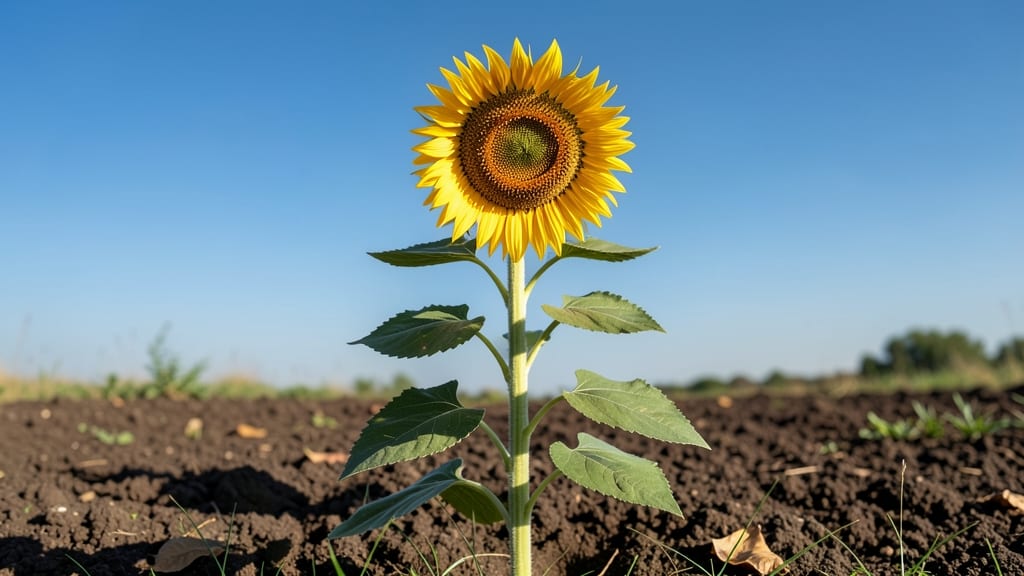
Sunflowers have sun requirements that are as bold as their blooms—full sun is non-negotiable if you want towering, showstopping plants, and skimp on light, and you’ll end up with sad, leggy stems instead of 12-foot giants.
Picture this: You’ve just planted your 🌻 seeds in April, dreaming of a summer garden showstopper, only to watch them stretch toward the sky like they’re reaching for a distant flashlight. That’s the classic sign of insufficient sun, and it’s a heartbreak no gardener needs.
Sunflowers aren’t just picky about light—they’re sun worshippers, and their growth, bloom time, and even seed production all hinge on those golden hours. Get it right, and you’ll see bold, sturdy stems and vibrant blooms by July.
Get it wrong, and you’re left with weak plants that barely clear your fence.
In this guide, I’ll break down exactly how much sun sunflowers need, how to spot the warning signs of light deprivation, and even some creative fixes for gardens that don’t get full sun. Let’s make sure your sunflowers shine bright—and tall!

How many sunlight hours sunflowers need for optimal growth
Sunflowers are sun-hungry champions, and their growth potential hinges on getting the right amount of light. While most varieties thrive in full sun, the exact hours needed can vary based on the type—whether you're growing giant Russian sunflowers or compact dwarf varieties.
Understanding these differences ensures your sunflowers reach their full height and bloom spectacularly.
For most sunflower varieties, the minimum sunlight requirement is 6-8 hours of direct sun daily. However, giant sunflowers often demand closer to 8-10 hours to achieve their towering heights, while dwarf varieties can tolerate slightly less light—around 5-6 hours—though they’ll still grow best with more.
Seasonal adjustments also play a role, especially in regions with shorter summer days.
Why sunlight matters goes beyond just height—it directly impacts flower size, seed production, and stem strength. Sunflowers grown with insufficient light often develop weak, leggy stems and smaller blooms, while those basking in full sun produce bold, vibrant flowers and sturdy stalks capable of supporting their weight. Let’s break down the specifics by variety and season.
To measure sunlight accurately, use a sunlight tracker or observe your garden throughout the day. Full sun means 6+ hours of direct light, while partial shade (3-6 hours) can work for dwarf varieties but risks stunted growth in taller types.
Most gardeners mistakenly assume "morning sun" is enough, but afternoon light is critical for photosynthesis during peak growth hours.
Seasonal adjustments are key, especially in northern climates where summer days are shorter. If you’re growing giant sunflowers in USDA Zone 4 or 5, consider starting seeds indoors under grow lights to give them a head start.
Even in sunnier regions, afternoon shade during extreme heat can help prevent leaf scorch, but ensure they still receive at least 5 hours of direct sun.
For container-grown sunflowers, placement matters even more. Place pots on south-facing patios or use reflective surfaces like white walls to bounce extra light onto your plants. Dwarf varieties are more forgiving but still benefit from rotating containers weekly to ensure even growth.
My own dwarf 'Teddy Bear' sunflowers in a balcony garden thrived with 6 hours of morning sun and an extra 2 hours of reflected light from a nearby mirror.
One common mistake is assuming partial shade is acceptable for all sunflowers. While dwarf varieties can handle 3-4 hours of shade, they’ll produce smaller blooms and weaker stems**. In contrast, giant varieties grown with less than 6 hours of full sun often bolt prematurely or fail to flower entirely. Always prioritize direct sunlight, especially during the first 4-6 weeks of growth when roots are establishing.
Sunflowers that aren’t basking in enough sunlight often send clear distress signals—and ignoring them can mean stunted growth or no blooms at all. The most obvious red flag? Leggy, weak stems that stretch desperately toward any available light, creating a top-heavy, floppy mess. These plants are essentially starving for photons, their energy diverted into reaching upward instead of growing strong. Another dead giveaway is pale, yellowing leaves that lack the deep green vibrancy of well-lit sunflowers. When leaves don’t get enough sunlight, they can’t perform photosynthesis efficiently, leading to chlorosis (the loss of green pigment). Even the flower buds may fail to open or produce tiny, underdeveloped blooms—if they appear at all. In extreme cases, your sunflowers might bolt prematurely, sending up flower stalks without proper leaf development.
Pro Tip: Move containers or young plants gradually to avoid sunburn from sudden exposure.
If your sunflowers are already showing these signs, don’t panic—there are simple fixes to turn things around. Start by moving plants to a sunnier location, ideally with 6+ hours of direct sunlight daily. For container growers, place pots on south-facing windowsills or use reflective surfaces like white gravel or mirrors to bounce extra light onto leaves. Even pruning leggy stems can encourage bushier growth by redirecting energy. For permanent shade issues, consider dwarf sunflower varieties like ‘Teddy Bear’ or ‘Moulin Rouge,’ which tolerate partial shade better than giant types. These varieties can still thrive with 4-6 hours of sunlight, making them ideal for patios, balconies, or shaded garden corners. Just be prepared for smaller blooms and shorter stems compared to full-sun giants. One often-overlooked trick is thinning seedlings early on. Overcrowded sunflowers compete for light, leading to weak, stretched-out plants. Space seedlings 12-18 inches apart to give each plant room to soak up sunlight without struggling. This small step can double your chances of healthy, vibrant sunflowers that reach their full potential. Remember, sunflowers are phototropic—they literally grow toward light. By addressing their sunlight needs early, you’ll reward yourself with bold blooms, sturdy stems, and the satisfaction of watching these golden giants thrive. The key is observation and action: watch for those early warning signs, and don’t hesitate to reposition or adjust your plants before problems worsen.Signs your sunflowers aren’t getting enough sun (and how to fix it)
Sunflower Sunlight Needs: Quick Fixes
✅ DO THIS
❌ AVOID THIS