
Orchid Care
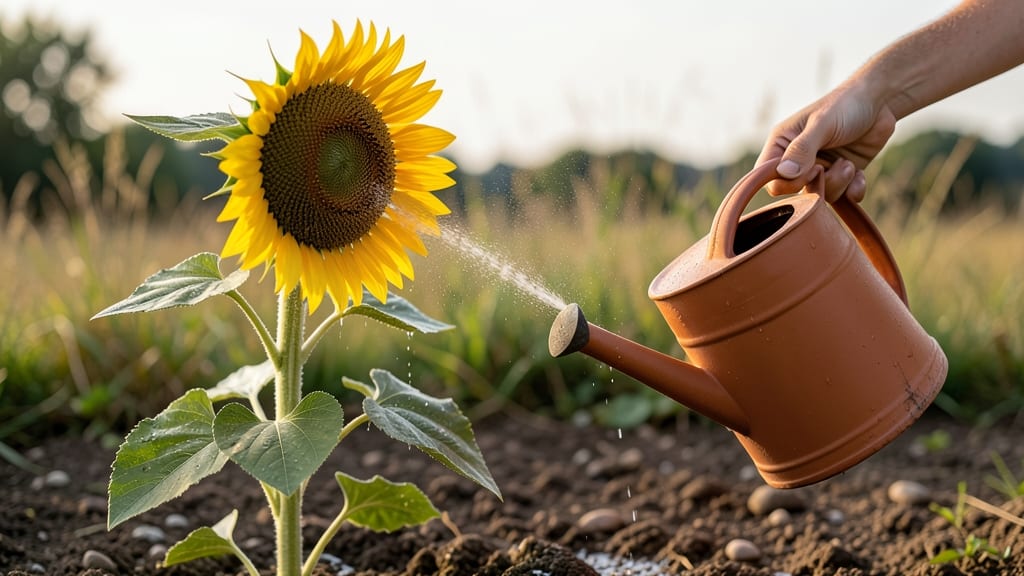
Growing sunflowers 🌻 depends on one secret weapon—watering them the right way to fuel their towering growth and vibrant blooms.
You might think these hardy plants can handle anything, but weak stems and wilted leaves often come from watering mistakes—like shallow soaks or inconsistent schedules. The difference between a 4-foot dwarf and a 16-foot giant often boils down to how deep and how often you water.
In this guide, I’ll break down the exact watering schedule for every growth stage, from seedlings to mature plants, plus how to adjust for drought, rain, or container gardening. You’ll also learn the one trick that prevents floppy stems and keeps your sunflowers standing tall all season.
Ready to unlock the secrets to sunflowers that reach for the sky? Let’s dive into the deep-watering techniques that make all the difference.
How much water do sunflowers need for optimal growth?
Sunflowers may look sturdy, but their towering growth relies heavily on consistent watering. Unlike drought-resistant plants, sunflowers need regular moisture—especially during their critical growth stages. Too little water weakens stems, while too much causes root rot or fungal diseases.
Let’s break down exactly how much water your sunflowers need at each stage of their life cycle.
First, understand that water needs vary based on your climate, soil type, and whether you’re growing them in containers or in the ground. For example, sandy soil drains quickly, requiring more frequent watering, while clay soil holds moisture longer.
Container-grown sunflowers dry out faster than those planted in the ground, so they need extra attention.
Here’s a quick reference for water requirements by growth stage, soil type, and planting method:
During the seedling stage, focus on keeping the soil evenly moist. Use a spray bottle or water gently to avoid displacing seeds. Young sunflowers have shallow roots, so light, frequent watering is key. If the soil dries out completely, seedlings may wilt permanently or fail to establish.
As sunflowers enter the vegetative stage (4-8 weeks), shift to deep watering—soaking the soil to a depth of 6-8 inches. This encourages roots to grow deeper, which stabilizes the plant and prevents lodging (when stems flop over).
Aim to water in the early morning to reduce evaporation and fungal risks.
When sunflowers begin flowering (8-12 weeks), they need the most water—1.5-2.5 gallons per plant every 2-4 days, depending on heat. This is when they’re most vulnerable to wilting or blossom drop.
Monitor the soil: stick your finger 2 inches deep. If it’s dry, it’s time to water. Mulching with straw or wood chips helps retain moisture and keeps roots cool.
In hot, dry climates, sunflowers may need watering daily during peak summer months. Check for signs of stress like drooping leaves or yellowing foliage.
If the soil feels dry just below the surface, water immediately. In cooler or rainy climates, reduce frequency to every 5-7 days once established.
Once sunflowers reach maturity (12+ weeks), cut back on watering to 1 gallon every 7-10 days. Overwatering at this stage can cause the stem to weaken and
Deep watering techniques to strengthen sunflower stems and boost height
Sunflowers need deep watering to develop strong stems capable of supporting their massive height. Unlike shallow watering, which only wets the surface, deep watering encourages roots to grow downward, creating a sturdy foundation.
This technique also helps prevent lodging—when stems bend or snap under their own weight—and boosts nutrient absorption for taller growth.
I’ve found that morning watering between 6-9 AM is ideal because it allows foliage to dry before evening, reducing fungal risks like powdery mildew. Avoid evening watering, as wet leaves overnight can invite pests and diseases.
Let’s explore the best methods to water deeply and keep your sunflowers reaching for the sky.
How to Deep Water Sunflowers: Step-by-Step
- Step 1: Water slowly at the base until soil is 6-8 inches deep. Use a garden trowel to check moisture—dry soil at this depth means more water is needed.
- Step 2: For drip irrigation, set emitters to deliver 1-2 gallons per plant over 30-45 minutes. This mimics natural rainfall and prevents runoff.
- Step 3: Use a soaker hose placed at the plant’s base. Run it for 20-30 minutes to ensure even moisture penetration without wetting leaves.
- Step 4: For manual watering, use a watering wand or hose with a gentle spray. Focus on the root zone, avoiding the foliage to prevent disease.
- Step 5: Mulch around the base with 2-3 inches of straw or wood chips to retain moisture and regulate soil temperature. Replenish mulch as it breaks down.
When using drip irrigation or soaker hoses, position them 2-3 inches away from the stem to avoid compacting soil and encourage outward root growth. I’ve seen sunflowers grow 30% taller with consistent deep watering compared to surface-level methods.
Adjust your watering schedule based on weather—hotter days may require daily deep watering, while cooler weather can stretch intervals to every 3-4 days.
Watch for signs of underwatering, like wilting leaves or dry soil cracks, and increase frequency if needed. Overwatering, however, can cause root rot or weak stems, so always let the top 1-2 inches of soil dry between waterings.
A simple test is to stick your finger into the soil—if it feels dry past your first knuckle, it’s time to water deeply again.
For container-grown sunflowers, deep watering becomes even more critical because pots dry out faster. Ensure containers have drainage holes and water until you see moisture trickle from the bottom.
This method prevents root suffocation while keeping the soil consistently moist. With these techniques, your sunflowers will stand tall, proud, and ready to bloom.
Remember, sunflowers thrive on consistency. Stick to your deep watering routine, and you’ll reward yourself with stems strong enough to support those iconic, sun-kissed blooms. Happy growing!