
Flowers
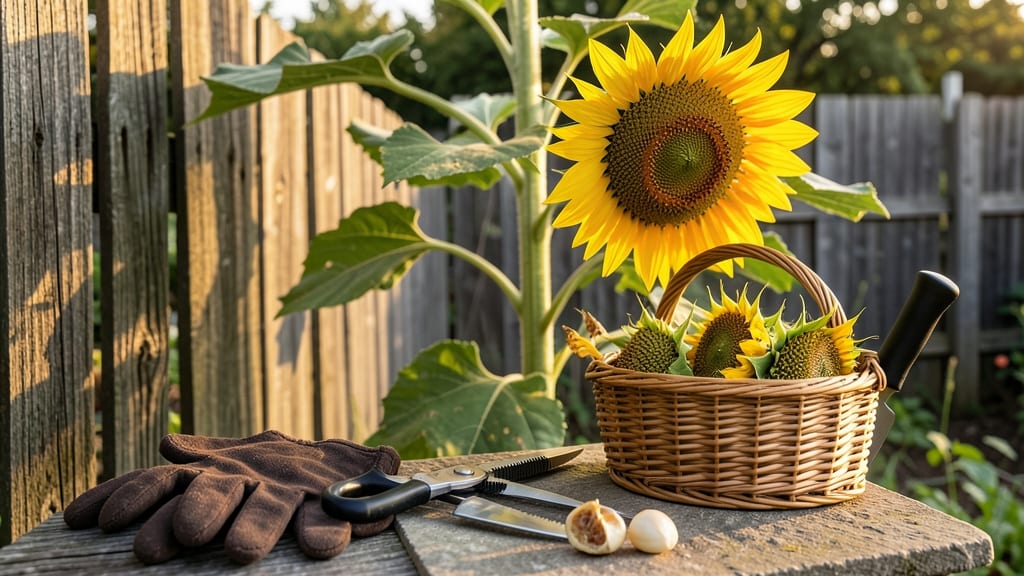
Sunflowers are ready to harvest when their petals wilt and the seed head turns a deep, papery brown 🌻 — a moment that separates great seeds from bitter disappointment.
Picture this: you’ve nurtured your towering 🌻 all summer, only to pick too early and end up with shriveled seeds or flowers that wilt in 24 hours.
The difference between a harvest worth saving and one that’s a bust comes down to knowing the three key signs that tell you it’s time to act.
Whether you’re after plump seeds for roasting or stems for a show-stopping bouquet, timing matters. Miss the window, and you’re stuck with tough, unripe seeds or flowers that droop before they even make it to the vase.
But get it right, and you’ll have sunflowers that last weeks — or seeds so rich they’ll feed your birds through winter.
In this guide, I’ll walk you through the visual cues to watch for, the best tools to use for harvesting, and how to store your bounty so it stays fresh (or crunchy) for months. No more guessing — just perfect sunflowers, every time.


3 Unmistakable signs your sunflower is harvest-ready (with visual clues)
Knowing when sunflowers are ready to harvest can mean the difference between plump, flavorful seeds and shriveled disappointment. The key lies in three visual and physical indicators that reveal peak ripeness without damaging your plant.
Whether you're growing sunflowers for cut flowers or edible seeds, these signs will help you time your harvest perfectly.
First, let’s address the most common question: How do I know when my sunflower seeds are ready? The answer lies in observing subtle changes in the flower head, seed maturity, and stem condition.
These clues work together like a natural countdown to harvest day. Missing even one sign could mean seeds that are either too green or too dry—neither ideal for storage or eating.
🌻 3 Visual Clues Your Sunflower Is Harvest-Ready
- 1. Flower Head Color: The back of the seed head turns from green to yellow, then finally brown and papery. This indicates the seeds inside are fully mature.
- 2. Seed Maturity Test: Gently shake the seed head—if seeds rattle loudly inside, they’re ready. If they stay silent, wait 1-2 more days.
- 3. Stem Flexibility: The stem should bend slightly but not snap—this means the plant has transferred nutrients to the seeds, signaling readiness.
Let’s break down each sign in detail. The flower head color change is your first warning that harvest time is near. When the petals start to wilt and droop downward (often called "browning"), it’s a clear visual cue.
This typically happens 70-90 days after planting, depending on your sunflower variety. For example, Mammoth Russian varieties might take longer to mature than dwarf varieties like Teddy Bear.
Next, the seed maturity test is non-negotiable for seed harvests. Hold the seed head firmly and give it a gentle shake. If you hear a loud rattling sound, it means the seeds are loose inside and fully dry.
This is your green light to harvest. If the sound is muffled or absent, the seeds need more time. Pro tip: Test this in the morning after dew has dried—moisture can give false readings.
The stem flexibility test might seem subtle, but it’s a foolproof way to confirm maturity without damaging the plant. A slightly bendable stem indicates the plant has stopped putting energy into growth and has redirected nutrients to the seeds. If the stem snaps easily, you’ve waited too long.
Conversely, if it’s rigid and hard to bend, the seeds aren’t ready yet. This test is especially useful for tall sunflower varieties, where reaching the seed head can be tricky.
One common mistake is harvesting based solely on flower head color without checking the other signs. For instance, a sunflower might look brown and dry on the outside, but the seeds inside could still be green and underdeveloped.
Always combine these three indicators for accuracy. If you’re unsure, wait 24 more hours—overripe seeds won’t harm you, but underripe ones will be bitter and shriveled.
For cutting sunflowers for bouquets, timing is different. You’ll want to harvest when the petals are fully open and vibrant, typically 1-2 days before they start wilting. This ensures your bouquet stays fresh longer.
Use sharp pruning shears and cut the stem at a 45-degree angle to maximize water absorption. For seeds, however, wait until all three signs above are met—patience pays off with plump, flavorful seeds perfect for roasting or planting next season.
Finally, don’t overlook the weather conditions on harvest day. Aim to pick sunflowers on a dry, sunny morning to prevent mold growth. If rain is forecasted, harvest early to avoid waterlogged seed heads.
Once picked, dry seeds indoors for 1-2 weeks in a well-ventilated area before storing them in an airtight container. Proper drying ensures your seeds stay viable for up to 3 years.
By mastering these three signs, you’ll never second-guess your sunflower harvest again. Whether you’re a seasoned gardener or a beginner, these visual clues will help you time your harvest perfectly every time. Happy harvesting! 🌻
Harvesting sunflowers for seeds vs. flowers: timing differences and Pro tips
Harvesting sunflowers for seeds and flowers requires two completely different approaches—like comparing apples to oranges. The seed harvest window arrives weeks after the flower harvest peak, and missing either one means wasted effort.
For seeds, you’re aiming for a dry, papery head where seeds rattle like a maraca 🔊, while for flowers, you want fully open petals with a sturdy stem that can support a vase for days.
Here’s the catch: if you harvest sunflowers for flowers too late, their stems weaken, and they wilt faster. But if you wait too long for seeds, birds or pests will snatch them first—or the seeds will shatter on the ground.
The key is knowing the exact visual cues for each goal and acting fast once you spot them.
Pro Tip: If you’re growing sunflowers for both seeds and flowers, plant extra! Some varieties, like Mammoth or Russian Giant, are better for seeds, while Teddy Bear or Autumn Beauty shine as cut flowers. Never assume one plant can do both—prioritize your goal.
Harvest Timing: Seeds vs. Flowers
For Seeds 🌾
- Petals: Fully wilted/drooping 🌺
- Seed Head: Brown and papery 🟤
- Seeds: Rattle when shaken 🔊
- Back of Head: Yellowish-green
✅ Pro: Seeds store for months
For Flowers 🌸
- Petals: Fully open, vibrant 🌻
- Seed Head: Still green or just turning brown 🟢
- Stem: Firm, no wilting
- Time: Morning harvest
✅ Pro: Lasts 7-10 days in vase
Avoid for Seeds ❌
- Too Early: Green seed heads = bitter seeds
- Too Late: Seeds shatter or sprout in head
- Birds: Wait until petals fully wilt
Avoid for Flowers ❌
- Overripe: Weak stems = fast wilting
- Night Harvest: Stems bend from heat stress
- Long Stems: Cut at 45° angle for water uptake
To harvest sunflowers for seeds, wait until the petals fall off naturally and the seed head turns a deep, papery brown.
Cut the stem 2-3 inches below the head and hang it upside down in a dry, dark place (like a garage or shed) for 2-3 weeks to fully dry. Once dry, rub the seeds from the head into a bowl—this is your seed bank for next year’s garden!
For flower harvests, act in the early morning when stems are hydrated and petals are fully open. Use clean, sharp pruners to cut stems at a 45° angle just above a leaf node.
Strip lower leaves to reduce water loss, and place stems immediately in lukewarm water to extend vase life. A sugar solution (1 tsp sugar per quart of water) can add an extra 3-5 days of freshness.
Remember: sunflowers for seeds need patience, while those for flowers demand speed. Plan ahead—if you’re after both, dedicate separate plants to each goal. Your future bouquets and seed stash will thank you! 🌻