
Flowers
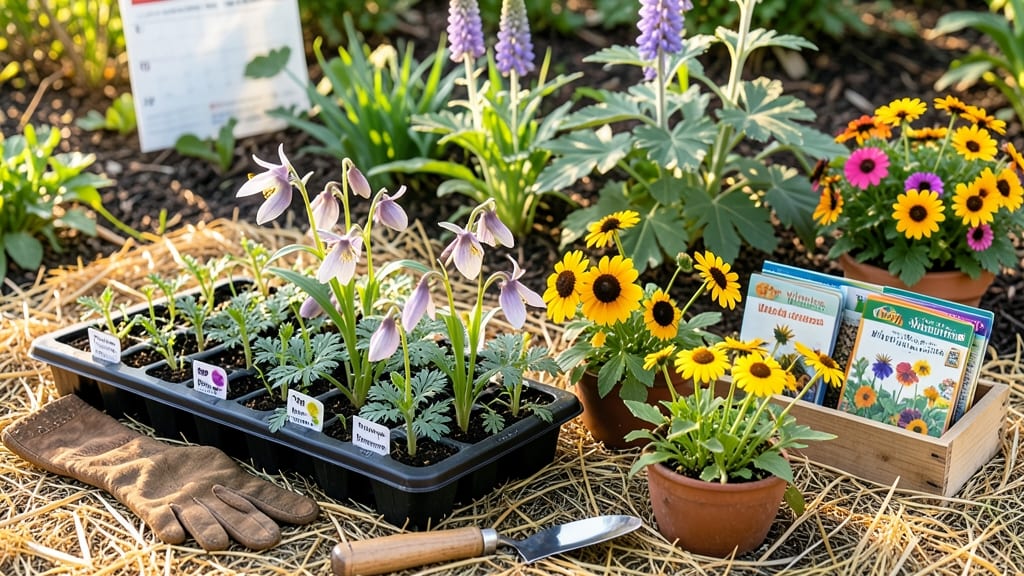
You can plant flowers in Michigan once the soil warms to at least 50°F and the last frost has passed—typically between mid-April and mid-May, depending on your USDA zone.
Michigan’s unpredictable spring weather can turn your flower planting plans into a guessing game—unless you know the exact frost dates and hardiness zones for your area.
In Zone 5b, like much of southern Michigan, wait until early May to avoid frost damage, while Zone 6b gardeners in the Lower Peninsula can start as early as late April.
Below, I’ll break down the best planting windows for annuals, perennials, and bulbs, plus pro tips to extend your growing season and protect delicate blooms from late frosts.
Michigan’s planting zones: understanding USDA Zone 5 & 6 frost dates
Michigan’s diverse geography creates two distinct USDA planting zones: Zone 5b (Upper Peninsula and northern Lower Peninsula) and Zone 6a (southern Lower Peninsula). These zones determine average last frost dates, which are critical for timing your flower planting to avoid frost damage.
In Zone 5b, expect your last frost around May 15, while Zone 6a gardeners can start planting as early as April 25. Understanding these differences helps you choose the right annuals vs. perennials for your region.
For annual flowers, timing is everything. Most heat-loving varieties like zinnias and marigolds can’t tolerate frost, so wait until two weeks after your last frost date to plant them.
In contrast, cold-hardy annuals like pansies and snapdragons can handle light frosts and can be planted as early as April 1 in Zone 6a or April 15 in Zone 5b. Perennials, which return yearly, have more flexibility but still benefit from planting after the last frost.
Here’s how Michigan’s regions break down for last frost dates and planting windows:
| Region | USDA Zone | Avg. Last Frost | Early Spring Planting Window | Late Spring Planting Window |
|---|---|---|---|---|
| Southern Lower Peninsula (Detroit, Kalamazoo) | 6a | April 25 | March 15 (cold-hardy annuals) | May 10 (heat-loving annuals) |
| Northern Lower Peninsula (Grand Rapids, Lansing) | 5b | May 5 | April 1 (cold-hardy annuals) | May 20 (heat-loving annuals) |
| Upper Peninsula (Marquette, Houghton) | 5b | May 15 | April 10 (cold-hardy annuals) | May 25 (heat-loving annuals) |
If you’re planting perennials, you have more flexibility.
Many perennials like coneflowers and black-eyed Susans can be planted in early spring as soon as the ground is workable, often as early as March 15 in Zone 6a or April 1 in Zone 5b. However, planting them too early can stunt growth, so aim for two weeks before your last frost for best results.
For bulbs like tulips, plant in fall (October-November) to ensure they establish roots before winter.
Michigan’s first frost dates also vary by region. Southern areas (Zone 6a) typically see frost around October 15, while northern areas (Zone 5b) may experience frost as early as September 20.
This means late-season annuals like cosmos and sunflowers can be planted as late as July 15 in Zone 6a but should be planted by July 1 in Zone 5b to ensure they bloom before frost.
Always check your local microclimate, as urban areas may warm up faster than rural ones.
For early spring planting, focus on cold-hardy varieties like sweet peas, stock flowers, and lupines. These can handle light frosts and even snow cover if planted in late March or early April.
To protect tender seedlings, use row covers or cloche tunnels until the threat of frost passes. In late spring, shift to heat-loving annuals like geraniums, petunias, and begonias, which need consistent warmth to thrive.
One common mistake Michigan gardeners make is planting tender annuals too early. Even if the air feels warm, soil temperatures can still dip below 50°F, slowing growth or causing damage. Use a soil thermometer to confirm the ground has warmed up before planting heat-sensitive flowers.
Another tip: harden off seedlings gradually if you’re starting them indoors, especially in Zone 5b where late frosts are more common.
If you’re unsure about your exact last frost date, consult your local Cooperative Extension office or use a frost date calculator like the one from the National Oceanic and Atmospheric Administration (NOAA).
These resources provide hyper-local data that can help you fine-tune your planting schedule. For example, areas near Lake Michigan may experience later frosts due to lake-effect cooling, while inland
Best flowers to plant by Michigan month: a month-by-month guide
Michigan’s spring frost dates can shift weekly, so timing is everything. For Zone 5b (most of southern Michigan), aim for late April to early May for frost-sensitive annuals, while hardy perennials like lupines and peony can go in as early as March.
In Zone 6b (Lower Peninsula), you can start 2-3 weeks earlier—think pansies and snapdragons in late March—but always check a local frost calendar before digging. Fall planting? Wait until mid-August to early September for cool-season blooms like calendula and stock.
🌱 Michigan Flower Planting Timeline
- March (Zone 6b only): Pansies, violas, crocus (bulbs) under frost cloth
- April (All zones): Tulips, daffodils, lupines, foxglove (perennials)
- May (Primary planting): Zinnias, marigolds, cosmos, petunias (annuals)
- June (Heat lovers): Sunflowers, black-eyed Susans, lilies (transplant)
- August-Sept (Fall): Calendula, stock, pansies (cool-season reset)
March is your window for cold-hardy annuals like pansies and snapdragons—but only in Zone 6b. Start seeds indoors for geraniums and salvias, which need a head start. For bulbs, plant tulips and daffodils in late March to early April; they’ll naturalize beautifully.
May is peak planting season in Michigan. Annuals like zinnias and marigolds thrive in the warmth, while perennials such as coneflowers and black-eyed Susans establish roots quickly. Succession plant every 2 weeks for continuous blooms—try cosmos and bachelor’s buttons.
June’s heat calls for drought-tolerant picks: lavender, Russian sage, and sunflowers. Transplant lilies and daylilies now—they’ll reward you with bold summer color. Deadhead spent blooms to encourage reblooming in perennials like bee balm.
Don’t overlook fall planting! August and September are perfect for cool-season annuals like stock and calendula, which bloom until frost. Plant bulbs like alliums and hyacinths by mid-September for early spring shows. Mulch heavily to protect roots from early freezes.