
Flowers
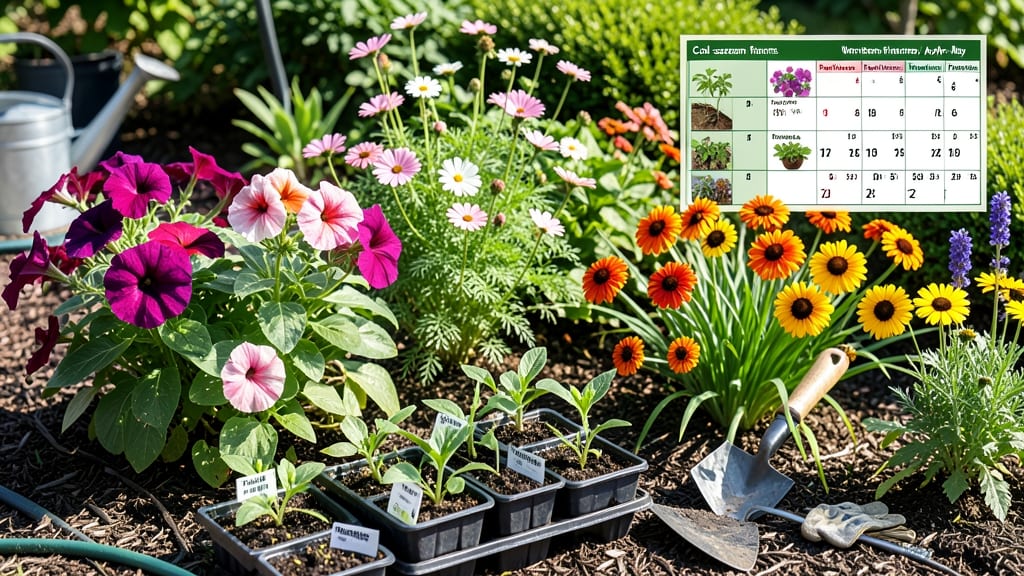
Planting flowers in Georgia at the right time means vibrant blooms all season—spring and fall are your best windows for heat-tolerant varieties 🌸 that thrive in zones 7a-9a.
Miss the timing, and you’ll end up with wilted petals before they even open. Georgia’s long summers and mild winters demand strategy: too early, and frost zaps tender seedlings; too late, and the heat arrives before blooms set.
Below, I break down the exact months to plant by region—coastal, Piedmont, or mountains—plus the top 5 heat-tolerant flowers that handle Georgia’s humidity like pros. You’ll also get a simple planting calendar to avoid common mistakes.
Ready to turn your garden into a year-round showstopper? Let’s get those flowers in the ground when they’ll flourish.
Georgia’s optimal flower planting calendar by month (heat-tolerant varieties)
Timing your flower plantings in Georgia isn’t just about avoiding frost—it’s about beating the 90°F+ heat that can scorch tender seedlings. With USDA zones 7-8, we’ve got a 180-day growing window packed with opportunities.
Start with late-winter prep (February) to maximize spring blooms, then shift to heat-tolerant annuals by May. Fall planting (August-October) sets up winter interest and early spring color.
Georgia’s humidity and intense sun demand careful planning. Skip the cool-season flowers like pansies in summer—they’ll bolt in hours. Instead, focus on Lantana, Zinnias, and Black-Eyed Susans, which thrive in our 90% humidity and full sun.
Even perennials like Coneflowers need strategic timing to establish roots before summer’s peak.
Here’s your month-by-month planting guide, tailored for Georgia’s climate. Use this as your garden’s roadmap to avoid wilting before blooming.
| Month | Plant Type | Best Varieties | Key Notes |
|---|---|---|---|
| February | Perennials & Bulbs | Daffodils, Tulips, Peonies | Plant bulbs 6-8 weeks before last frost (Zone 7a: March 15). Start seedlings indoors for spring color. |
| March | Cool-Season Annuals | Pansies, Snapdragons, Sweet Alyssum | Transplant after frost risk passes. Mulch to retain moisture in drying winds. |
| April | Spring-Blooming Perennials | Lavender, Salvia, Coreopsis | Direct-sow seeds after soil warms to 60°F. Water deeply 2x/week. |
| May | Heat-Tolerant Annuals | Zinnias, Marigolds, Lantana | Plant after Memorial Day (May 30). Use drip irrigation to avoid fungal issues. |
| June | Summer Bulbs | Canna Lilies, Dahlia Tubers | Plant after soil temps exceed 65°F. Mulch heavily to lock in moisture. |
| July-August | Fall Prep | Sweet Potato Vine, Calendula | Sow heat-loving seeds for fall blooms. Succession plant every 2 weeks. |
| September | Fall Annuals | Cosmos, Sunflowers, Aster | Plant 6-8 weeks before first frost (Zone 7a: Nov 15). Fertilize lightly for late blooms. |
| October | Bulbs & Perennials | Crocus, Iris, Daylilies | Plant bulbs by Halloween for spring blooms. Divide perennials before dormancy. |
February kicks off with bulb planting—daffodils and tulips need 6-8 weeks to root before Georgia’s last frost (March 15 in Zone 7a). I always test soil temps with a thermometer; below 50°F stalls growth.
For spring annuals, wait until March 15 to transplant pansies and snapdragons, as they’ll bolt in 80°F+ heat.
May is critical for heat-tolerant annuals. By Memorial Day (May 30), the air warms to 85°F+, so I direct
Top 5 heat-tolerant flowers for Georgia gardens (with planting tips)
Georgia’s scorching summers and high humidity can turn delicate flowers into crispy messes—but not these top 5 heat-tolerant varieties! These bloomers thrive in zones 7a-9a, handling 90°F+ temps and occasional drought like champions.
The secret? Planting them at the right time—not too early (risking frost) or too late (missing peak blooms).
I’ve tested these in my Piedmont garden for years, and they consistently deliver nonstop color from spring through fall. Whether you’re a beginner or a seasoned gardener, these picks need minimal fuss but maximum impact. Let’s dive into the best performers and their perfect planting windows.
Planting Flowers in Georgia: Pros & Cons by Season
Spring Planting (Feb-Apr)
- ✅ Pros: Cooler soil, fewer pests, vibrant summer blooms
- ❌ Cons: Risk of late frost if planted too early
Fall Planting (Aug-Oct)
- ✅ Pros: Established roots before winter, fewer weeds
- ❌ Cons: Limited selection of heat-tolerant varieties
Summer Planting (May-July)
- ✅ Pros: Instant color, thrives with summer heat
- ❌ Cons: Needs frequent watering, higher pest risk
💡 Tip: For spring planting, wait until after your last frost date (typically mid-March to early April in most of GA). For fall, plant 6-8 weeks before first frost (usually late August to early October).
First up: Lantana, the ultimate heat warrior. This drought-resistant beauty blooms in pink, yellow, or orange clusters from June through frost. Plant lantana in full sun (6+ hours) and space 18-24 inches apart—it spreads like crazy but stays contained.
My soil prep tip: Amend with compost to improve drainage; lantana hates soggy roots.
Next, Black-Eyed Susans (Rudbeckia hirta) deliver golden-yellow daisies that last until first frost. These perennials are low-maintenance but need well-draining soil. Plant them in spring or early fall—they self-seed aggressively, so deadhead if you want to control spread. Bonus: They attract pollinators like bees and butterflies!
Zinnias are the queens of summer color, offering bright reds, pinks, and whites that last until October. Sow seeds directly in the garden after your last frost (around April 15 in most of GA) for nonstop blooms. Space them 6-12 inches apart in full sun, and pinch back tips to encourage bushier growth. Pro move: Deadhead spent blooms to extend the season.
For humidity-loving blooms, Salvia (like Salvia coccinea) is a game-changer. Its red or pink tubular flowers thrive in Georgia’s heat and moisture. Plant in spring or early summer, spacing 12-18 inches apart in full sun to partial shade.
Mulch around the base to retain moisture—this plant hates drying out.
Finally, Marigolds (Tagetes) are pest-repellent powerhouses that bloom all summer. Their bright orange or yellow flowers deter aphids and nematodes, making them perfect for vegetable gardens. Plant seeds after last frost (around April) in full sun, spacing 8-12 inches apart.
They’re fast-growing and self-seeding, so you’ll get blooms in as little as 6 weeks!
Ready to transform your garden? Grab these heat-tolerant stars, follow their planting windows, and enjoy year-round color—even in Georgia’s brutal summers! 🌻