
Flowers
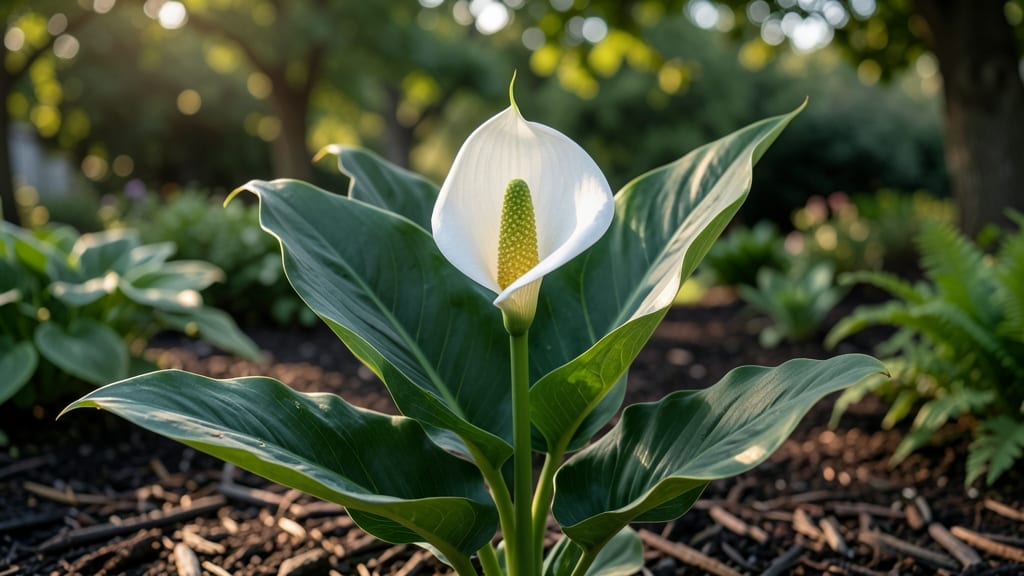
Calla lily flowers bloom between late spring and summer, with timing that shifts dramatically depending on your growing zone and the variety you’ve chosen.
If you’ve ever wondered why your 🌸 calla lilies seem to vanish for months before bursting into dramatic, trumpet-shaped blooms, timing is everything—and it depends on your growing zone, light exposure, and even the variety you’ve planted.
In USDA Zone 6a, where spring arrives late, blooms typically appear in July and August, while warmer zones like 8-11 may see flowers as early as May or June.
The key? Planting in March or April, giving the rhizomes time to establish strong roots before the heat of summer triggers blooming.
Below, I’ll break down the exact months to expect flowers by zone, how to adjust care for off-season blooms, and the simple tricks to ensure your calla lilies put on their best show year after year.
Calla lily bloom times by US hardiness zones: months to expect flowers
Calla lilies (Zantedeschia spp.) are famous for their striking, trumpet-shaped blooms, but their bloom timing varies dramatically depending on your USDA hardiness zone and local climate. In cooler zones, they may bloom in late summer, while tropical varieties in warmer regions can flower year-round or spring through fall.
Understanding these patterns helps you plan for the most dramatic displays in your garden.
Most calla lilies follow a seasonal bloom cycle tied to temperature shifts, with spring-planted rhizomes typically producing flowers 90-150 days after planting.
However, tropical varieties like Zantedeschia aethiopica (white calla) often bloom earlier in warmer climates, sometimes as early as April or May, while temperate types may wait until July or August. Let’s break down what to expect in each zone.
In cooler zones (3-7), calla lilies often enter dormancy in fall and rely on warm spring temperatures to trigger new growth. This delayed start means their first blooms typically appear in late summer, just as other perennials begin fading.
For example, in Zone 5, expect flowers from mid-July through September, while Zone 7 gardeners may see blooms as early as June.
Warmer climates (zones 8-11) offer the advantage of extended bloom seasons. Tropical varieties like Zantedeschia aethiopica (white calla) can produce flowers year-round with consistent care, though they often peak in spring and fall.
In Zone 9, you might see blooms from April through September, while Zone 11 gardeners enjoy near-continuous flowering if they provide adequate moisture and shade.
One key factor affecting bloom timing is the type of calla lily you grow. Temperate varieties (like Z. rehmannii) thrive in cooler zones and bloom later, while tropical types (like Z. straussii) prefer heat and may flower earlier.
For instance, black calla lilies (Z. straussii) often bloom in late spring in warm zones but may wait until summer in cooler areas.
Light exposure also plays a role in bloom timing. While calla lilies tolerate partial shade, they need 4-6 hours of morning sun to produce strong, vibrant blooms. In shadier gardens, flowers may appear later or be less abundant.
For example, a Zone 6 calla lily in full sun might bloom in June, while one in heavy shade could delay until July or August.
To encourage earlier blooms, plant rhizomes in spring (after the last frost) and provide well-draining, slightly acidic soil (pH 6.0-6.5). In warmer zones, you can also plant in fall for winter-to-spring blooms. For example, a Zone 10 gardener might plant in October to see flowers by January or February.
If you’re growing calla lilies in containers, bloom timing can shift slightly due to temperature fluctuations. Potted plants in Zone 5 might bloom a week or two earlier than in-ground plants because containers warm up faster in spring.
Conversely, overwintered pots in cooler zones may bloom later if exposed to cold snaps.
Finally, remember that first-year plants often bloom later or less prolifically than established calla lilies. Give your plants at least one full growing season before expecting a full display. With the right care, your calla lilies will reward you with dramatic, long-lasting blooms that elevate any garden or indoor space.
How light requirements and planting time control calla lily blooming
Calla lilies are masters of patience—often hiding their dramatic blooms beneath lush foliage for months before revealing their trumpet-shaped flowers. The secret to unlocking their timely blooming lies in two critical factors: light exposure and planting timing.
Unlike sun-worshipping flowers, calla lilies thrive in partial shade, but too little light can delay blooms entirely. Meanwhile, planting in early spring (not summer) triggers their natural cycle, ensuring flowers arrive when you expect them.
Let’s break down how these two elements work together to control when your calla lilies bloom. Whether you’re growing them outdoors in zones 8-11 or indoors near a bright window, understanding these dynamics will help you time blooms perfectly—or troubleshoot why yours might be late.
The key? Light dictates energy, and planting time sets the clock.
Key Factors Controlling Calla Lily Blooming
- 1. Partial Shade (4-6 hours sun): Too much sun scorches leaves; too little starves blooms. Morning light is ideal.
- 2. Early Spring Planting: Plant rhizomes in March-April (after last frost) for summer blooms. Summer planting delays flowers until next year.
- 3. Indoor Light Tricks: Place pots near east-facing windows for bright indirect light. Supplement with grow lights if blooms are sparse.
- 4. Dormancy Reset: After blooming, let foliage yellow naturally. Cut back in fall to signal rhizomes to rest and rebloom next season.
- 5. Fertilizer Timing: Feed with balanced 5-10-10 in spring and early summer to fuel flower production. Avoid fall/winter feeding.
If you’ve planted calla lilies in full sun, you might be waiting longer than necessary. While they tolerate morning sunlight, afternoon shade is crucial to prevent leaf burn.
My zone 9 garden produces summer blooms (June-August) because I plant rhizomes in early April and provide dappled shade with nearby trees. In contrast, a friend in zone 5 waits until May—her blooms arrive in late July because cooler springs delay growth.
Indoor calla lilies follow the same rules but with a twist: light becomes the limiting factor. A south-facing window might be too intense, while a north-facing one could leave your plant struggling.
I’ve seen calla lilies bloom indoors in late spring when placed near an east window with supplemental grow lights for 6 hours daily. Without extra light, indoor blooms often never materialize—or arrive weak and sparse.
Here’s a pro tip: If you’re eager for off-season blooms, try this trick. After your calla lilies finish blooming, move the pot indoors to a cool, dark place (like a garage) for 6-8 weeks to simulate winter dormancy.
Then, reintroduce light in late winter—they’ll often rebloom in 8-10 weeks, giving you spring flowers instead of summer ones. Just remember: dormancy is non-negotiable for repeat blooms.
Finally, don’t overlook the rhizome’s role. Planting depth matters: bury rhizomes 4-6 inches deep in well-draining soil. If planted too shallow, they’ll bolt to flowers prematurely (and often flop over from weak stems).
I once had a batch of oversized blooms on 3-foot stems because I planted them too close to the surface—beautiful, but structurally unsound.
By mastering these light and timing cues, you’ll transform your calla lilies from mysterious foliage plants into reliable bloomers. Start with the right planting window, tweak your light exposure, and let dormancy work its magic.
Soon, you’ll have trumpet-shaped blooms arriving exactly when you want them—whether it’s summer weddings or holiday centerpieces. 🌸