
Blooming
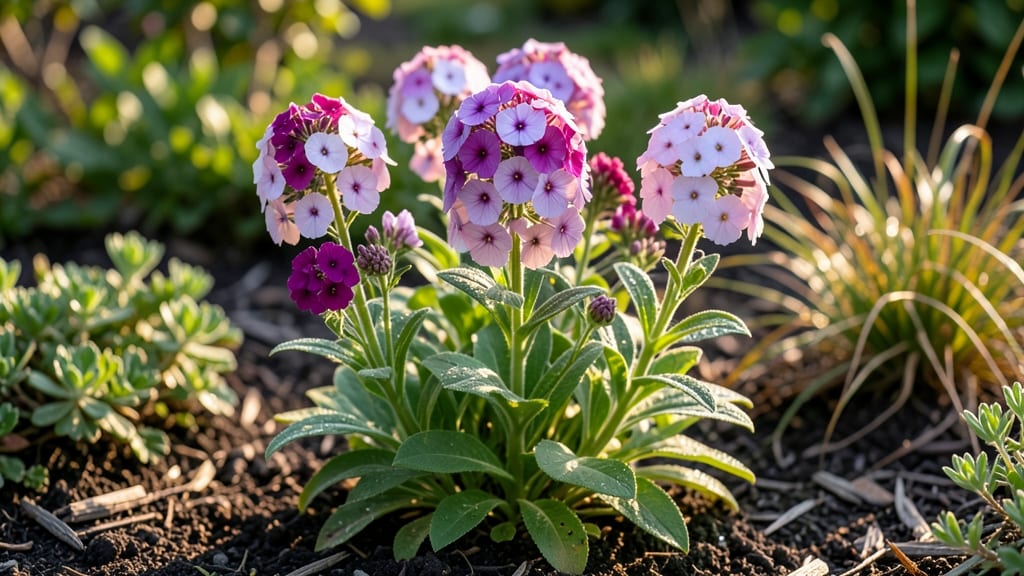
Phlox flowers bloom in late spring to summer, with timing that depends on the variety and your USDA zone — most gardeners in Zone 6a see 🌸 clusters from June through August.
Picture this: you’ve just planted your phlox in March, dreaming of a vibrant summer display. But without knowing the right timing, you might miss the peak bloom window or struggle to extend those colorful bursts beyond a few weeks.
The key is understanding how spring-blooming varieties differ from summer-loving ones — and how simple adjustments can turn a one-time show into a season-long highlight.
Whether you’re growing tall garden phlox or low-spreading creeping types, bloom timing isn’t just about patience — it’s about strategy. Sunlight, soil, and even the color of your phlox play a role in when those fragrant blooms appear.
In this guide, I’ll break down the exact windows for each type, plus the pro tips to keep them flowering longer.
Ready to transform your garden into a year-round phlox parade? You’ll learn how to predict bloom times by color, extend the season with deadheading, and choose the perfect varieties for your climate — all while avoiding the mistakes that cut blooms short.
Phlox blooming seasons by type: early, mid, and late varieties
Phlox is a garden favorite, but its blooming timeline varies dramatically by type. Garden phlox (Phlox paniculata) and creeping phlox (Phlox subulata) offer different seasonal displays, making them perfect for layered garden designs. Understanding these differences helps you plan year-round color and avoid gaps in your garden’s seasonal show.
Most gardeners focus on three bloom windows: early, mid, and late summer. Early bloomers like 'David' garden phlox start as early as late May, while late varieties like 'Lipstick' can extend blooms until early September. Creeping phlox, on the other hand, often blooms in spring (April-May), creating a cascading effect before summer phlox take over.
Here’s a quick reference for phlox bloom timing by type, including cold-hardy and heat-tolerant varieties:
If you live in USDA Zones 3-5, focus on cold-hardy varieties like 'David' garden phlox or 'Emerald Blue' creeping phlox. These thrive in cooler climates and often bloom earlier, sometimes as early as late April.
In warmer zones (6-9), heat-tolerant hybrids like 'Lipstick' or 'Blue Moon' will extend your blooms into September or October.
To extend phlox blooming seasons, plant a mix of early, mid, and late varieties. For example, pair creeping phlox (spring) with garden phlox (summer) and Drummond phlox (late spring).
This creates a continuous color display from April through September. I’ve seen stunning gardens where blue creeping phlox fades into pink garden phlox seamlessly.
Soil temperature also plays a key role. Garden phlox typically needs soil temps above 60°F (15°C) to bloom, while creeping phlox can tolerate cooler soils.
If your spring is slow to warm, opt for early-blooming varieties like 'Sherwood Purple' creeping phlox, which often push through light frost in Zone 4.
Deadheading spent blooms is another trick to prolong phlox flowering.
For garden phlox, cut back 1/3 of the plant after the first flush of blooms to encourage a second bloom cycle in late summer. Creeping phlox, however, rarely reblooms, so focus on spring color and pair it with late-summer annuals like black-eyed Susans.
For container gardening, choose compact varieties like 'Jeana' or 'Blue Moon' garden phlox. These thrive in pots and can be moved to sheltered spots during heatwaves to preserve blooms.
I’ve grown 'Blue Moon' in containers on my patio, and it bloomed 2 weeks later than in-ground plants due to protected afternoon shade.
Finally, mulching helps regulate soil temperature. A 2-inch layer of mulch keeps roots cool in summer and warm in spring, which can advance bloom times by 1-2 weeks. I’ve noticed my creeping phlox blooms earlier in mulched beds compared to unmulched areas.
With the right mix of varieties and care, your phlox can b
How to predict phlox blooming time by color: cool vs. warm hues
Did you know your phlox’s color can hint at when it’ll bloom? Cool-toned varieties like lavender and white often flower earlier in the season, while warm hues such as red and coral tend to peak later.
This color-based blooming pattern isn’t just a coincidence—it’s tied to how phlox responds to sunlight intensity and soil warmth during different growing phases.
Understanding these trends helps you plan your garden layout for sequential blooms, ensuring color doesn’t fade all at once. For example, pairing early purple phlox with late coral phlox creates a stunning progression from spring to summer.
Let’s break down how to predict blooming windows by color and the environmental factors that influence timing.
- 🌸 Early Bloomers (May-June): Cool purples and whites (e.g., 'David' phlox) thrive in cooler spring temps and brighten gardens first.
- 🌿 Mid-Season (June-July): Soft pinks and lavenders (e.g., 'Jeana' phlox) peak when soil warms, offering longer vase life.
- ☀️ Late Bloomers (July-August): Reds and oranges (e.g., 'Lipstick' phlox) need full sun and heat to trigger blooms, extending your season.
- 💧 Soil Tip: Cool colors prefer moist, cooler soil; warm colors tolerate drier, hotter conditions.
Sunlight plays a critical role in color-based blooming. Cool-toned phlox often bloom earlier because they respond to lower light intensity in spring. Place them in areas with morning sun and afternoon shade to encourage early flowering.
In contrast, warm hues like reds and corals need 6+ hours of direct sun to trigger their later blooms.
Soil temperature also affects timing. Cool colors thrive in 55–65°F soil, while warm colors prefer 65–75°F. Test your soil’s warmth with a soil thermometer—plant cool-toned varieties when temps hit 55°F and warm-toned ones at 65°F for optimal blooming.
Mulching with straw or wood chips helps regulate soil temperature for consistent results.
For reblooming phlox, deadhead spent blooms weekly to encourage new flowers. Cool colors may rebloom in early fall if given consistent moisture, while warm colors often fade with heat stress. Choose drought-tolerant varieties like 'Emerald Blue' for later-season color when watering becomes scarce.
Pro tip: Group phlox by color in your garden design. Plant early bloomers near late bloomers to create a continuous color show. Add companion plants like salvia or catmint to bridge gaps between blooming cycles. With this strategy, your phlox garden will stay vibrant from May through August!