
Blooming
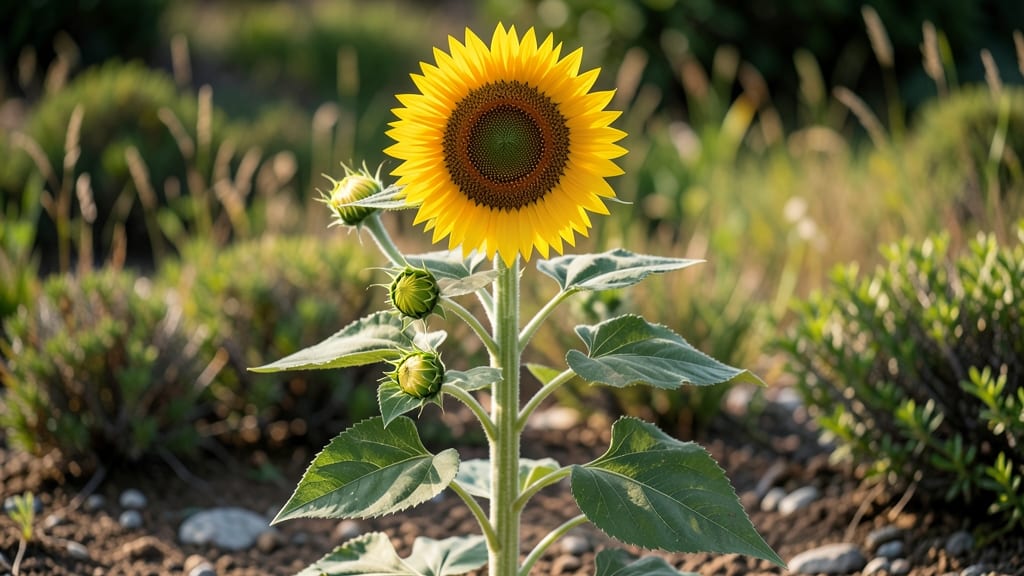
Sunflowers start to bloom in 60 to 120 days after planting, depending on your variety and growing zone — but the real secret lies in counting heat days, not calendar days.
Picture this: you’ve just tucked those bright yellow seeds into the soil in April, dreaming of towering 🌻 giants by summer. Yet, without knowing your zone’s heat days, you might miss the magic window when those petals unfurl.
In Zone 6a, where spring lingers, early maturing varieties like ‘Teddy Bear’ often bloom by mid-July, while giants like ‘Mammoth’ may wait until August.
The key to predicting blooms isn’t just the planting date—it’s the consistent warmth your sunflowers crave. Too little sun? They’ll stretch leggy but never open. Too much heat too soon? Buds can drop before they bloom.
Below, I’ll break down how to time your planting for peak summer flowers, plus the simple tricks to nudge your sunflowers along if they’re running late.
You’ll learn how to read your sunflowers’ growth stages, adjust watering for faster blooms, and even pick the best varieties for your climate—so you’re not left staring at green stems when your neighbors’ gardens are bursting with golden cheer.
How heat days determine sunflower bloom time by variety
Sunflowers are sun-loving superstars, but their bloom time isn't just about sunshine—it's all about heat days. These are days where temperatures stay above 50°F (10°C) after the last frost.
Each variety needs a specific number of heat days to trigger those iconic golden blooms, typically ranging from 60 to 120 days depending on the type.
For example, giant sunflowers like 'Mammoth' often need the full 100-120 days to reach their towering heights and vibrant flowers. Meanwhile, dwarf varieties like 'Teddy Bear' bloom faster, usually within 60-75 days. Understanding these timelines helps you plan your garden for maximum impact.
Here's the science: Sunflowers count heat days from germination, not planting. This means cooler springs can delay blooms unless you choose faster-maturing varieties.
For instance, in Zone 5, planting in early May might mean blooms by late July, while in Zone 9, a late-March planting could yield flowers by June.
Sunflower Variety Bloom Time Comparison
| Variety | Type | Heat Days to Bloom | Zone 5 Bloom Window | Zone 9 Bloom Window |
|---|---|---|---|---|
| Mammoth | Giant | 100-120 days | Late July - August | June - July |
| Teddy Bear | Dwarf | 60-75 days | Mid-June - July | May - June |
| Russian Giant | Giant | 110-130 days | August - September | July - August |
| Autumn Beauty | Standard | 80-90 days | Late July - August | June - July |
| Sunspot | Oilseed | 65-75 days | Mid-June - July | May - June |
If you're in a cooler climate like Zone 5, opt for early-maturing varieties like 'Teddy Bear' or 'Sunspot' to ensure blooms before frost. In warmer zones (Zone 9+), you can even plant sunflowers in late winter for spring blooms, as they thrive in heat.
Pro tip: Use black plastic mulch to warm soil faster and kickstart growth. This can shave off 7-10 days from your heat day count, especially in cooler regions. Just be sure to remove it once flowers appear to prevent overheating.
For oilseed varieties, like 'Sunspot', the focus is on seed production rather than flower size. These typically bloom 10-15 days earlier than giant varieties, making them ideal for cut flower arrangements or bird feeders. Their smaller stature also makes them perfect for containers or small gardens.
Remember, consistent moisture is key during the first 30 days of growth. Without enough water, sunflowers may produce fewer heat days and delay blooming. Aim for 1-1.5 inches of water per week, especially during dry spells.
In my Zone 7 garden, I've found that planting a mix of 'Mammoth' and 'Teddy Bear' extends my bloom season from late June through August. The giants provide dramatic height, while the dwarfs add color near the ground.
This strategy works in most zones—just adjust planting times to match your local frost dates.
Don't forget: Sunflowers are annuals, so they'll complete their life cycle in
Zone-by-Zone sunflower bloom schedule: when to plant for peak flowers
Sunflowers thrive on consistent warmth, and their bloom time varies dramatically by USDA zone. In cooler zones like Zone 4, you might see blooms by mid-July, while Zone 9 gardeners can enjoy flowers as early as late May.
The key is planting at the right time to align blooms with your region's peak summer sun—typically July-August for maximum impact.
For extended blooms, I recommend staggered plantings—sow a second batch 3-4 weeks after your first planting. This ensures fresh flowers throughout summer, even in cooler climates. For example, in Zone 5, planting in late May and again in early June creates a continuous display.
Here’s your zone-by-zone planting guide to time blooms perfectly with summer’s golden light:
In cooler zones (3-6), focus on early-maturing varieties like 'Autumn Beauty' (70-80 days to bloom) to ensure flowers appear before frost. Meanwhile, warmer zones (7-10) can experiment with late-summer varieties like 'ProCut' (80-90 days), which thrive in extended heat.
Pro tip: Track heat days (temperatures above 50°F) to predict blooms accurately. Most sunflowers need 60-120 heat days to flower. Use a garden thermometer or local weather app to monitor progress. For example, if your zone averages 100 heat days by July 15, aim to plant mid-May for timely blooms.
Don’t forget: Soil warmth matters just as much as air temperature. In Zone 4, wait until soil reaches 55°F before planting—cold soil delays germination and slows growth. Use black plastic mulch to warm soil faster if needed.