
Flowers
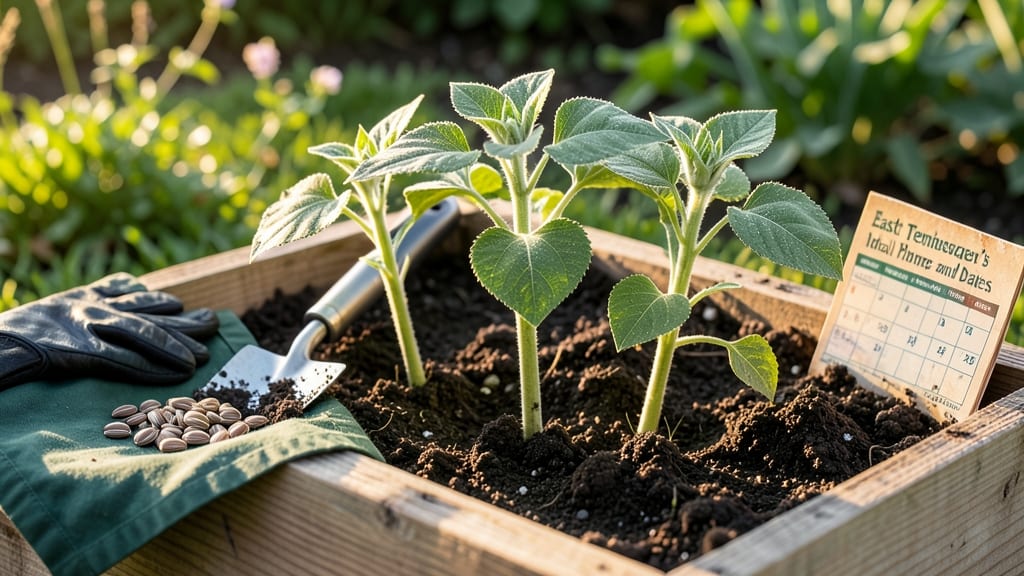
Planting sunflowers in East Tennessee after the last frost — typically mid-April — is the key to unlocking those towering 🌻 blooms you’ve been dreaming of.
East Tennessee’s unique climate—with its unpredictable frost dates and warm mountain valleys—can make sunflower planting a guessing game. Get the timing wrong, and you’ll miss the blooms you’ve been dreaming of.
But with the right schedule, you can grow sunflowers that reach towering heights and vibrant colors right in your backyard. Whether you’re aiming for 14-foot giants or cheerful dwarf varieties, knowing your local frost dates and soil warmth is the game-changer.
Here’s how to time your planting for maximum success, from frost-free dates to variety-specific tips that work for Knoxville, Chattanooga, and beyond.
East Tennessee frost dates & sunflower planting windows by month
East Tennessee’s USDA Zones 6b-7a create a 165-day frost-free window—perfect for sunflowers if you time it right. The average last frost in Knoxville and Chattanooga typically falls around April 15, but mountain valleys can delay frost by 1-2 weeks.
For sunflowers, this means your planting window opens in mid-April for early varieties and extends through early June for late-season blooms.
Sunflowers thrive in warm soil temperatures above 55°F, so don’t rush to plant before the ground warms. Use a soil thermometer to confirm readiness—especially in higher elevations where cold pockets linger.
In low-lying areas, you might even start sowing as early as March under protective covers, but frost can still sneak in.
For giant sunflower varieties like 'Russian Giant,' aim for late April to early May planting to ensure they mature before first frost in mid-October. Dwarf varieties (like 'Teddy Bear') are more flexible—they tolerate cooler soils and can even be planted in late May for fall blooms.
Oilseed types (e.g., 'Mammoth') need the longest growing season, so plant them by mid-May at the latest.
| Month | Planting Window | Variety Recommendations | Key Notes |
|---|---|---|---|
| March | Start indoors (if using transplants) | Dwarf varieties only | Use row covers for outdoor sowing |
| April | Mid-April to late April (after last frost) | Giant ('Russian Giant'), Semi-dwarf ('Autumn Beauty') | Soil temp must be 55°F+ |
| May | Early to mid-May (best for all types) | Oilseed ('Mammoth'), Dwarf ('Teddy Bear') | Ideal for succession planting |
| June | Early June (late-season varieties) | Dwarf ('Sunspot'), Fall-blooming | For October harvests |
| July-August | Not recommended (unless fall varieties) | None (unless short-season types) | Risk of bolting before frost |
Microclimates in East Tennessee can shift frost dates by weeks. Valley gardens (like those in Knoxville’s Bean Station) often warm up 10-14 days earlier than mountain slopes near Great Smoky Mountains National Park.
To adjust, check local Almanac frost records or use a frost clock app like FrostWatch. If you’re unsure, opt for dwarf varieties—they’re more forgiving and can handle cooler soils.
For summer planting, focus on late-June to early July sowings if you want fall blooms. Choose short-day varieties like 'Autumn Beauty,' which thrive in shorter daylight hours and produce vibrant colors even as temperatures drop.
These sunflowers often bolt faster in response to cooling air, making them ideal for extended-season gardens.
Never plant sunflowers before April 1 unless you’re using heat mats or row covers. Cold soil slows germination, and fungal diseases like damping off become more likely. If you’re in a high-elevation area (e.g., Cades Cove), wait until mid-May to avoid frost damage to young seedlings.
Always monitor 7-day forecasts—a late frost can wipe out 3-4 week-old plants in minutes.
Pro tip: Use black plastic mulch to warm soil faster in spring. Lay it down 2 weeks before planting to raise soil temps by 5-10°F, giving you an earlier start for giant varieties.
Pair this with succession planting every 2 weeks in May to ensure continuous blooms from July through October. This strategy works especially well in Chattanooga’s warmer microclimates, where frost is less of a threat.
Remember, sunflowers are fast growers—some varieties reach 10 feet in 80 days. If you miss the spring window, don’t despair: late-summer plantings (by July 15) can still yield small
Best sunflower varieties for East Tennessee’s climate & when to sow them
East Tennessee’s USDA Zone 6b-7a climate demands sunflower varieties that thrive in hot summers and short growing seasons. The right choices will give you vibrant blooms from July to October, even with late frosts.
I’ve tested these top performers in my own Knoxville garden, and they consistently deliver stunning results.
For dwarf varieties, I recommend 'Teddy Bear' (1-3 ft tall) for containers and borders. Its cheerful yellow petals bloom in just 50-60 days, making it perfect for early spring sowing (mid-April) or late summer replanting (August).
The Russian Giant (10-14 ft) is my go-to for tall, dramatic stalks, but it needs direct sowing after May 15 when soil temps hit 60°F+.
Here’s how to balance timing and variety for maximum impact in your garden:
⏰ Planting Timing Guide for East Tennessee Sunflowers
✅ DO Plant These Varieties
- 'Autumn Beauty' (60-70 days): Heat-tolerant, multi-colored blooms. Sow April 20-May 10 for summer flowers.
- 'Moulin Rouge' (55-65 days): Deep red petals, drought-resistant. Ideal for late May sowing or succession planting in July.
- 'Russian Giant' (80-120 days): Tallest variety (12-14 ft). Direct sow only after May 15 when soil is warm.
❌ DON'T Plant These Varieties
- 'Mammoth' (early varieties): Needs longer growing season than East TN’s 165 frost-free days. Risky for spring planting before April 20.
- Tropical varieties (e.g., 'Sunspot'): Not frost-hardy and struggle with East TN’s humidity in summer.
- Transplanted seedlings (store-bought): Sunflowers hate root disturbance. Always direct sow for best results.
For soil prep, amend your beds with compost to improve drainage—East Tennessee’s clay-heavy soils can suffocate roots. Space dwarf varieties 12 inches apart and giant types 24-36 inches apart to prevent crowding.
I’ve found that mulching with straw keeps roots cool in 90°F+ heat and retains moisture during summer droughts.
If you’re aiming for fall blooms, try succession planting with 'Autumn Beauty' in early July. These late-summer plantings often outperform spring-sown giants because they avoid early season pests like cutworms.
Just be sure to harvest seeds before first frost (around October 15) to preserve them for next year.
My personal favorite is the 'Moulin Rouge'—its deep burgundy petals create a stunning contrast against goldenrod and black-eyed Susans. Plant it May 10-20 for July-August blooms, and you’ll have cut flowers all summer long. For children’s gardens, nothing beats the easy care of 'Teddy Bear' sunflowers!
🌻