
Flowers
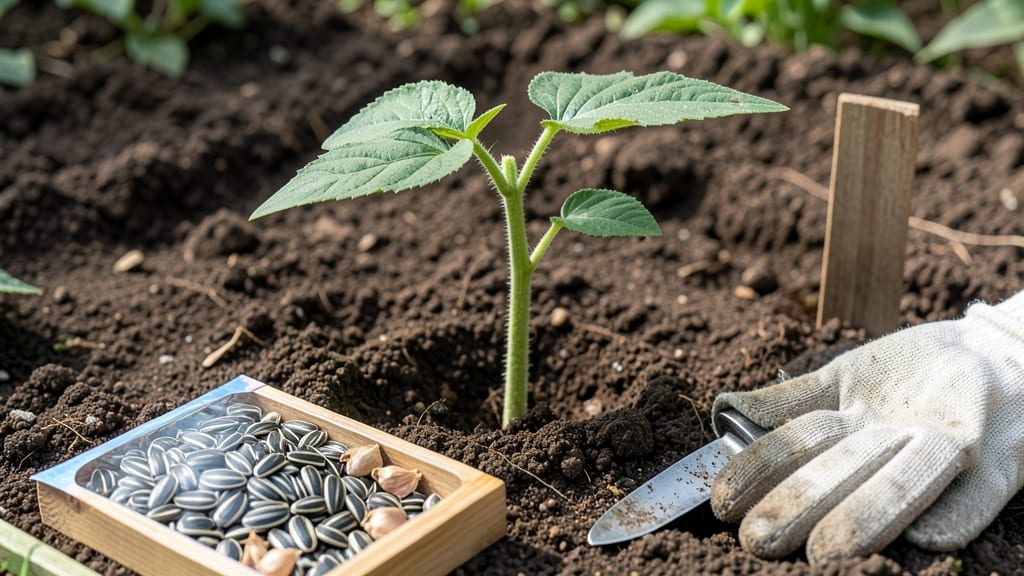
Planting sunflowers in Georgia between mid-April and early June ensures they thrive before summer heat and late frosts become a risk.
Georgia’s long, hot summers and unpredictable spring frost dates make timing your sunflower planting a critical factor in maximizing blooms—and avoiding wasted seeds. Plant too early, and a late frost could kill seedlings; too late, and your sunflowers may bolt before reaching their full towering potential.
For USDA zones 7b-8b, the ideal window aligns with soil temperatures above 55°F, which typically occurs in late April. Coastal areas like Savannah may start as early as March, while inland regions like Atlanta should wait until May to avoid frost damage.
Below, you’ll find a month-by-month guide to planting sunflowers in Georgia, including heat-tolerant varieties, soil prep tips, and how to extend your growing season for bigger blooms.
Georgia sunflower planting calendar: frost dates & heat-tolerant varieties by month
Georgia’s sunflower planting season spans from late winter through summer, but the exact timing depends on your region’s last frost date and heat tolerance of your chosen variety.
Most of Georgia falls within USDA zones 7b-8b, meaning we enjoy 220 frost-free days—plenty of time for towering sunflowers to reach their full potential.
However, coastal areas like Savannah may experience earlier last frosts (around March 15) compared to inland cities like Atlanta (typically March 30), while Augusta often sees its last frost around March 20.
To maximize your sunflower’s bloom time and seed production, aim to plant after the average last frost date but before mid-June, when summer’s intense heat arrives.
Early varieties like 'Moulin Rouge' (60-70 days to maturity) thrive when sown in February or early March under frost protection, while late varieties like 'Autumn Beauty' (90-100 days) benefit from April or May plantings to avoid bolting before harvest.
Key factors to consider include:
- Soil temperature (ideal: 55-65°F for germination)
- Daylength (sunflowers need 12+ hours of daylight to thrive)
- Heat tolerance of your variety (some bolt faster in 90°F+ temperatures)
| Month | Planting Window | Best Varieties | Notes |
|---|---|---|---|
| February | Start indoors (6-8 weeks before last frost) or under row covers | 'Teddy Bear' (dwarf), 'Autumn Beauty' | Use heat mats for faster germination |
| March | Direct sow after last frost (coastal: mid-March; inland: late March) | 'Moulin Rouge', 'ProCut' | Plant 1 inch deep, 6 inches apart |
| April | Primary outdoor planting (ideal for most regions) | 'Russian Mammoth', 'Titan' | Thin to 12-24 inches apart for full growth |
| May | Last chance for late varieties (plant by May 15) | 'Autumn Beauty', 'Evening Sun' | Use drip irrigation to prevent bolting |
| June | Emergency succession planting (dwarf varieties only) | 'Teddy Bear', 'Sunspot' | Expect smaller blooms due to heat stress |
For Atlanta gardeners, the optimal planting window stretches from mid-April to early May, aligning with the city’s average last frost date of March 30. This timing ensures your sunflowers have 100+ days to mature before Georgia’s first frost (typically November 15).
In Savannah’s coastal climate, where frosts arrive earlier, prioritize February starts indoors or March outdoor plantings to beat the March 15 deadline. Meanwhile, Augusta’s inland location offers a slightly extended window—plant from late March to mid-April for best results.
Heat-tolerant varieties like 'ProCut' (ideal for cut flower production) and 'Autumn Beauty' (known for its multi-colored blooms) perform exceptionally well in Georgia’s summer heat. These varieties can handle 90°F+ temperatures without bolting prematurely, making them perfect for June plantings if you’re willing to accept slightly smaller blooms.
For edible sunflower seeds, opt for 'Russian Mammoth'—its 120-day maturity ensures a late-summer harvest before frosts arrive.
If you’re planting in February or early March, use black plastic mulch or row covers to warm the soil and protect tender seedlings. These methods
How to extend sunflower growing season in Georgia: soil prep & frost protection tips
Georgia’s unpredictable frost dates can turn your sunflower dreams into a gamble, but with the right strategies, you can push your growing season earlier or later. The key lies in soil warming and frost protection, which help seedlings survive late frosts while ensuring robust growth once temperatures rise.
Sunflowers thrive in warm soil (55°F+), but Georgia’s spring soil often stays cool well into April. By using black plastic mulch or row covers, you can raise soil temperatures by 5-10°F, accelerating germination and giving your plants a head start against frost.
🌱 Key Strategies to Extend Sunflower Season in Georgia
- 1. Use black plastic mulch to warm soil and speed germination by 7-10 days.
- 2. Plant in staggered batches every 2 weeks from March to June for continuous blooms.
- 3. Cover seedlings with frost cloth when night temps drop below 32°F.
- 4. Choose heat-tolerant varieties like 'Autumn Beauty' or 'ProCut' for longer seasons.
- 5. Amend soil with compost to improve drainage and reduce frost damage risk.
For organic soil amendments, mix in compost or aged manure to improve drainage and fertility, which helps sunflowers recover faster after frost. Synthetic options like peat moss or perlite also work but may require more frequent watering to maintain moisture.
If a late frost strikes, don’t panic! Sunflowers are tolerant of light frost once they’ve sprouted. Simply cover them with a row cover or lightweight blanket until temperatures rise. Most seedlings will bounce back if the frost isn’t severe (28°F or below for extended periods).
For a second planting in late summer, opt for fast-maturing varieties like 'Teddy Bear' (55-60 days to maturity). Plant these in July-August to enjoy fall blooms before the first frost hits in November.
By combining soil warming, frost protection, and staggered planting, you can enjoy sunflowers from spring through fall—even in Georgia’s fickle climate! 🌻