Plants
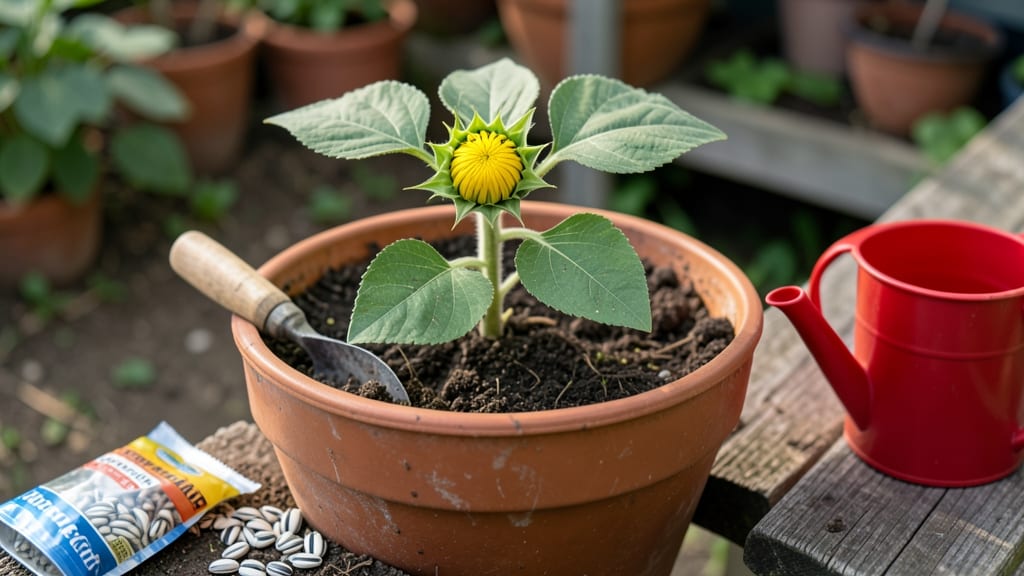
To plant sunflower seeds in North Carolina, aim for mid-April through early June—just after the last frost—when soil temperatures hit 60°F and stay warm.
Sunflowers aren’t just beautiful—they’re hardy, fast-growing plants that thrive in North Carolina’s climate when planted at the right time. But timing matters: plant too early, and frost will kill seedlings; too late, and you’ll miss the blooming season.
North Carolina’s 7a-8b zones offer a 180- to 210-day growing window, meaning you can also try late summer sowings in July for fall blooms—but only if you’re in the Piedmont or Coastal regions.
Below, I’ll break down the exact frost-free deadlines by region, the best heat-tolerant varieties for NC’s summers, and how to keep your 🌻 sunflowers thriving from seed to harvest.
North Carolina sunflower planting calendar: frost dates & heat-tolerant deadlines
North Carolina’s diverse climate—from the Coastal Plain to the Appalachian Mountains—means your sunflower planting timeline should match your local frost dates. Coastal areas like Wilmington average last frost dates around March 15, while mountain regions like Asheville may see frost until May 1.
These differences create a 6-week window shift in ideal planting times across the state.
Sunflowers thrive when soil temperatures reach 55°F (13°C), which typically occurs 2-4 weeks after the last frost. For most NC regions, this means waiting until mid-April for direct sowing.
However, starting seeds indoors 6-8 weeks before your last frost date gives you a head start, especially for tall varieties that need more time to mature.
Here’s the key: Spring planting should happen between April 15 and June 1 for most NC zones, while fall planting is only viable in Coastal and Piedmont regions (not the mountains).
Fall-sown sunflowers need to mature before the first frost in October, so aim for late July to early August sowing in these areas.
| Region | Last Frost Date | Ideal Soil Temp for Planting | Spring Planting Window | Fall Planting Window |
|---|---|---|---|---|
| Coastal (e.g., Wilmington, Morehead City) | March 15 | 55°F (13°C) | April 1 - May 15 | July 20 - August 10 |
| Piedmont (e.g., Raleigh, Charlotte) | April 1 | 55°F (13°C) | April 15 - May 30 | July 10 - August 5 |
| Mountains (e.g., Asheville, Boone) | May 1 | 55°F (13°C) | May 1 - June 15 | Not recommended |
North Carolina’s summer heat (often exceeding 90°F/32°C) can stress sunflowers, so choosing heat-tolerant varieties is crucial. Varieties like ‘Autumn Beauty’ or ‘Moulin Rouge’ handle NC’s humidity better than delicate types.
For Coastal regions, prioritize drought-resistant varieties like ‘ProCut’, while Piedmont gardeners can opt for ‘Russian Giant’ for taller blooms.
If you’re transplanting seedlings, do it after soil warms (test with a soil thermometer) and when seedlings have 2-3 true leaves. Harden off seedlings for 5-7 days before transplanting to avoid shock.
In Coastal areas, you can push it slightly earlier (early April), but mountain regions should wait until after May 1 to avoid late frosts.
For fall planting, only Coastal and Piedmont regions have enough growing days. Choose fast-maturing varieties (like ‘Teddy Bear’) that bloom in 60-70 days. Plant by July 20 to ensure flowers mature before the first frost in October.
Mountain gardeners should skip fall planting entirely—opt for container growing instead to extend the season indoors.
Pro tip: Use black plastic mulch to warm soil faster in spring, or straw mulch to retain moisture during NC’s hot, humid summers. This simple trick can shave 1-2 weeks off your planting timeline by keeping roots cool and hydrated.
Remember, sunflowers are fast growers—some varieties reach 10 feet in 3 months. But timing is everything: plant too late, and you’ll miss the peak bloom season (August-September). Use this calendar as your guide, and you’ll enjoy vibrant sunflowers from Coastal beaches to mountain meadows.
🌻
Best sunflower varieties for North Carolina’s climate & how to choose them
North Carolina’s 7a-8b climate zones demand sunflower varieties that handle hot summers, occasional drought, and quick transitions between seasons. The right choice depends on your garden goals—whether you want towering ornamental giants, edible oilseed varieties, or bird-friendly pollinators.
I’ve narrowed it down to the top performers for NC, categorized by type and purpose.
For giant sunflowers, ‘Moulin Rouge’ and ‘Russian Giant’ are standouts, reaching 10-14 feet tall with bold, double blooms that thrive in NC’s heat. These varieties need 60-90 days to mature, making them perfect for spring plantings in April-May. Their deep taproots also help them tolerate drought conditions once established.
If you’re growing sunflowers for edible seeds, prioritize ‘Autumn Beauty’ or ‘Russian Mammoth’. Both produce nutrient-rich seeds ideal for snacking or bird feeders, and they mature in 80-100 days, aligning well with NC’s late summer harvest windows.
These varieties also handle high humidity better than some ornamental types.
Sunflower Variety Comparison for NC
Giant Ornamental
- ✅ Pros: Stunning height (10-14 ft), drought-tolerant, long vase life
- ✅ Ideal for landscaping and cut flowers
- ✅ Heat-resistant for NC summers
- ⚠️ Cons: Needs staking in windy areas, slower to mature (60-90 days)
Edible Oilseed
- ✅ Pros: High-yield seeds, drought-tolerant, fast-maturing (80-100 days)
- ✅ Great for bird feeders or human consumption
- ✅ Handles NC humidity well
- ⚠️ Cons: Smaller blooms, may need thinning for best seed production
Dwarf/Bird-Friendly
- ✅ Pros: Compact (2-4 ft), early bloomers (45-60 days), attract pollinators
- ✅ Perfect for small gardens or container growing
- ✅ Deer-resistant compared to taller varieties
- ⚠️ Cons: Lower seed yield, may need protection from squirrels
Fast-Maturing
- ✅ Pros: Ready in 45-60 days, great for late summer plantings
- ✅ Extended season potential in NC’s Coastal region
- ✅ Low-maintenance and disease-resistant
- ⚠️ Cons: Smaller stature (3-5 ft), limited seed production
For small gardens or container growing, consider ‘Teddy Bear’ or ‘Little Becka’, which stay under 4 feet tall and bloom in just 45-60 days. These dwarf varieties are perfect for late summer plantings (July) in NC’s Coastal Plain, where the growing season extends longer.
They’re also deer-resistant, a plus if wildlife is a concern.
When selecting varieties, match your USDA zone and planting timeline. In Zone 7a (Mountains), opt for fast-maturing types like ‘Early Bird’ to avoid early fall frosts. In Zone 8b (Coastal), you can push the envelope with ‘Autumn Beauty’ for a fall harvest of seeds.
Always check the days to maturity and count backward from your first frost date (mid-October in most of NC).
Pro tip: If you’re growing sunflowers for bird feeders, leave some seed heads on the stalk until they’re fully brown. This provides a natural food source for birds like goldfinches and cardinals during NC’s winter months.
Just be sure to space plants 12-18 inches apart to prevent overcrowding and disease.
With the right variety, your NC garden can enjoy season-long sunflower blooms, from early spring plantings to late summer harvests. Choose based on your space, goals, and local microclimate—and don’t forget to save some seeds for next year! 🌻