
Flowers
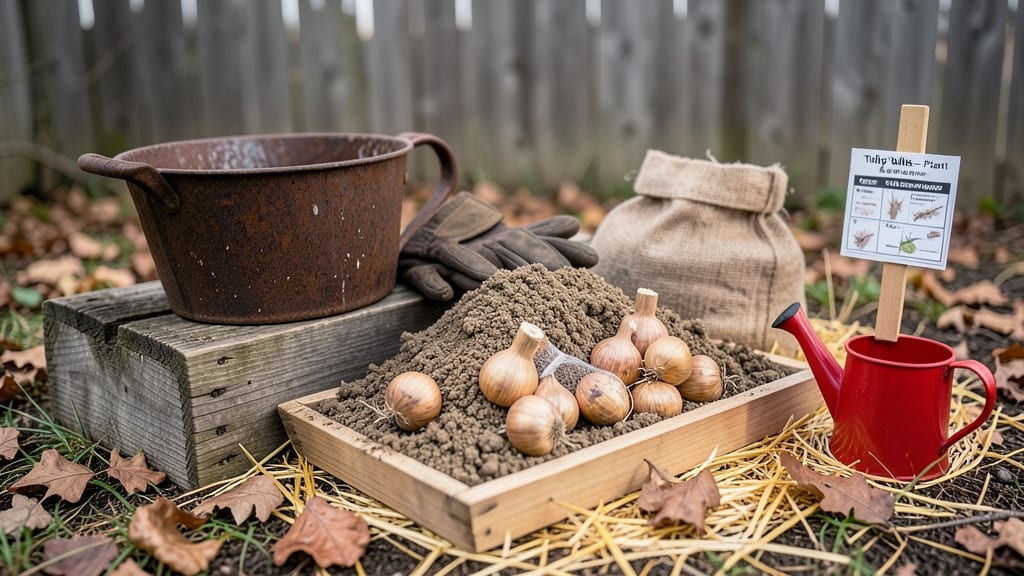
Planting flower bulbs 🌷 in autumn is all about timing—get it right, and you’ll enjoy vibrant spring blooms; get it wrong, and you might waste your effort (or worse, attract hungry critters).
Most gardeners wait until the soil cools to 60°F or below, but that’s just the start. In USDA Zone 6a, that window opens around mid-September and closes by mid-November—miss it, and bulbs can rot before winter sets in.
The key? Checking soil temperature with a simple thermometer (or even your finger—warm soil means wait).
Why does this matter? Because bulbs like tulips and daffodils need 6-8 weeks of cold dormancy to bloom. Plant too early, and they’ll sprout before winter; too late, and they won’t root in time.
I’ve learned the hard way—once I planted mine in late October, and the squirrels dug them up before they took hold.
In this guide, I’ll walk you through the exact soil temps to aim for, the best bulbs for your region, and how to prep your soil so your spring garden bursts with color—without the guesswork.
Autumn soil temperature checklist for planting flower bulbs
Planting flower bulbs in autumn is all about timing—specifically, soil temperature. When the ground cools to the right range, bulbs like tulips, daffodils, and hyacinths get the perfect start for spring blooms.
Too warm, and they'll sprout too early; too cold, and they may rot. The ideal window is 4-6 weeks before your first frost, but soil temperature is the real secret weapon.
Most flower bulbs need soil temperatures between 40°F and 60°F (4°C and 15°C) to root successfully. This range varies slightly by region—cooler climates like USDA Zones 3-5 can plant earlier, while milder zones (like Zones 7-9) should wait until late fall.
Testing your soil temperature is the easiest way to avoid guesswork and ensure your bulbs thrive.
Here’s how to check soil temperature accurately, whether you use a soil thermometer or a simple DIY method. Grab a thermometer and dig it 6 inches deep (the typical planting depth for most bulbs). Wait 10 minutes for an accurate reading—this mimics the temperature bulbs will experience underground.
For a DIY approach, bury a thermometer in a jar of water at the same depth for 24 hours; the water temperature will closely match the soil.
| Region (USDA Zone) | Ideal Soil Temp | Planting Window | Best Bulbs |
|---|---|---|---|
| Zones 3-5 (Cold Winters) | 40°F–50°F (4°C–10°C) | Mid-September to early October | Tulips, Daffodils, Hyacinths |
| Zones 6-7 (Moderate Winters) | 50°F–60°F (10°C–15°C) | Late October to November | Alliums, Crocuses, Snowdrops |
| Zones 8-9 (Mild Winters) | 55°F–65°F (13°C–18°C) | November to early December | Nerines, Rain Lilies, Cyclamen |
| Southern Hemisphere (Zones 9-11) | 60°F–70°F (15°C–21°C) | March to April | Daffodils, Iris, Freesias |
If your soil is warmer than 60°F (15°C), wait a few weeks or plant in shaded areas where the ground cools faster. Conversely, if temperatures drop below 40°F (4°C), your bulbs may struggle to root.
In Zone 10+, where winters are mild, plant bulbs in late fall or early winter to mimic their natural dormancy cycle.
Pro tip: Morning soil temperatures are usually cooler than afternoon readings, so check in the morning for the most accurate gauge. If you’re planting in containers, use a thermometer designed for potted plants—container soil heats up faster than in-ground soil.
For large gardens, test multiple spots to account for microclimates caused by sun exposure or wind patterns.
Don’t let late autumn rains fool you—soil can still be too warm. A quick check with your thermometer will confirm if it’s safe to plant. Once you’ve hit the sweet spot, bulbs will root quickly, setting the stage for vibrant spring blooms.
Just remember: planting depth matters too—aim for 6-8 inches deep to protect bulbs from freezing temperatures.
What if you miss the window? Late planting is better than none, but bulbs planted after 6 weeks before frost may not bloom as strongly. In extreme cases, store bulbs in a cool, dark place (like a refrigerator) until next autumn.
With the right soil temperature checklist, you’ll avoid this dilemma entirely and enjoy a show-stopping spring garden.
For extra peace of mind, mulch after planting with 2-3 inches of straw or leaves. This insulates the soil, keeping temperatures stable and protecting bulbs from freeze-thaw cycles. Mulch also suppresses weeds, giving your bulbs a competitive edge for next year’s growth.
🌱
Best flower bulbs to plant in autumn by climate zone
Choosing the right flower bulbs for autumn planting depends on your climate zone—some varieties thrive in cool northern winters, while others need mild southern conditions.
In USDA zones 3-6, cold-hardy bulbs like tulips and daffodils can handle freezing temps, but zone 7+ gardeners should opt for heat-tolerant species like rain lilies or spider lilies. The key is matching bulbs to your last frost date and soil conditions.
For cool climates (zones 3-6), aim to plant 6-8 weeks before frost—typically September-October.
In mild climates (zones 7-10), extend your window to November-December since winters are shorter. Snowdrops and crocuses are my go-to for early spring color in cold zones, while caladiums and cannas shine in warmer areas. Always check bulb packaging for specific planting depth and spacing guidelines.
| Climate Zone | Best Bulbs | Planting Depth | Spacing | Notes |
|---|---|---|---|---|
| Zones 3-6 (Cold Winters) | Tulips, Daffodils, Alliums, Snowdrops, Hyacinths | 6-8 inches deep | 3-6 inches apart | Plant 6-8 weeks before frost; mulch after planting. |
| Zones 7-9 (Mild Winters) | Rain Lilies, Spider Lilies, Crocuses, Cyclamen, Caladiums | 4-6 inches deep | 4-8 inches apart | Plant October-December; avoid soggy soil. |
| Zone 10+ (No Frost) | Canna Lilies, Dahlias, Begonias, Gladiolus | 3-4 inches deep | 6-12 inches apart | Plant September-November; protect from heat stress. |
In cool climates (zones 3-6), I swear by alliums for their dramatic purple blooms and deer resistance. Plant them 6 inches deep and 8 inches apart—they’ll naturalize beautifully over time.
For early spring color, snowdrops are my secret weapon; they bloom under snow and thrive in partial shade. In warmer zones (7-10), rain lilies are drought-tolerant and heat-loving, perfect for xeric landscapes.
Pro tip: Amend your soil with compost or sand if it’s heavy clay—bulbs rot in soggy soil. For container gardening, use a well-draining mix with perlite or vermiculite. After planting, water deeply to settle the soil, then mulch with straw to protect roots.
In zone 10+, I add a light shade cloth during summer to prevent heat stress on tropical bulbs like cannas.
Don’t wait until late autumn—some bulbs, like tulips, need cold stratification to bloom.
If you miss the ideal window, store bulbs in a cool, dark place (like a garage or fridge) and replant next year. Snowdrops are the most forgiving; they’ll often bloom even if planted slightly late.
For maximum blooms, fertilize in early spring with a low-nitrogen formula (like 5-10-10).
My top 3 cold-hardy picks are daffodils (deer-proof), alliums (pollinator magnets), and fritillaries (checkerboard blooms). In mild climates, rain lilies and spider lilies add year-round interest with their unique foliage.
Always rotate bulbs every 3-4 years to prevent disease buildup in the soil. Happy planting—your spring garden will thank you! 🌷