
Flowers
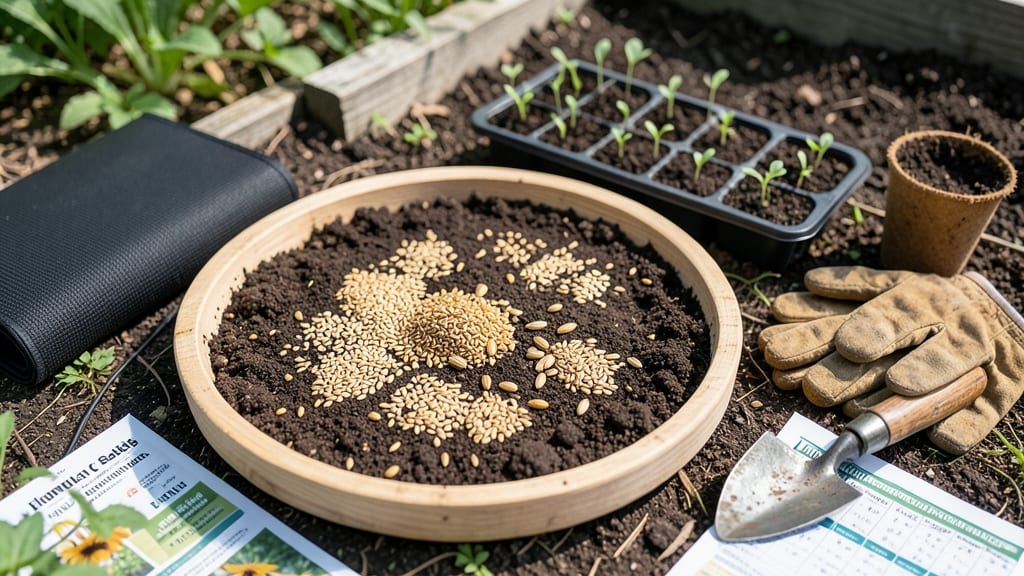
To plant flower seeds in Minnesota, aim for late April through mid-May after the last frost—when soil temperatures hit 50°F—or early September for fall bloomers like asters and chrysanthemums 🌸.
Minnesota’s unpredictable frost dates can leave gardeners guessing whether their flower seeds will survive—or even sprout. Timing is everything, and planting too early or late risks stunted blooms or wasted seeds.
In USDA Zones 3–5, most annuals (like marigolds and zinnias) need 5–6 weeks of warmth to mature, while perennials (such as coneflowers) can handle cooler starts. Urban areas may frost later than rural spots, so check local forecasts.
Below, I break down the exact weeks to plant by zone, which flowers thrive with indoor starts, and how to stretch your blooming season with late-season hacks—so you end up with a garden that’s bursting with color all summer long.
Minnesota’s frost-free deadlines by Zone: exact weeks to plant flower seeds for maximum blooms
Minnesota’s USDA Zones 3-5 create unique challenges for gardeners, with last frost dates varying by 2-3 weeks across the state. Whether you're planting annuals like zinnias or perennials like black-eyed Susans, timing is critical for vibrant blooms.
My 10-year gardening experience in Zone 4 taught me that even a single late frost can devastate early seedlings.
Most Minnesota regions experience their average last frost between May 10-25, but Zone 3 areas (northern MN) can see frost as late as June 1.
Conversely, Zone 5 areas (southern MN) often warm up by May 1. These variations mean your planting window could shift by 4-6 weeks depending on location.
To simplify, I’ve broken down exact weeks to plant based on average frost-free dates for Minnesota’s three main zones. This schedule ensures your flower seeds germinate and establish roots before unpredictable late frosts strike.
Pro Tip: Use row covers or cold frames to extend your planting window by 1-2 weeks in early spring or late fall. These tools can protect tender seedlings when temperatures dip below 40°F.
| Zone & Location | Avg. Last Frost Date | Best Planting Window (Weeks Before Last Frost) | Annual Flowers (Direct Sow) | Perennial Flowers (Direct Sow) |
|---|---|---|---|---|
| Zone 3 (North MN: Duluth, International Falls) | June 1 (Week 22) | Weeks 16-18 (April 15-May 1) | Marigolds, Snapdragons, Pansies | Coneflowers, Black-Eyed Susans (start indoors Week 10) |
| Zone 4 (Central MN: Minneapolis, St. Cloud) | May 15 (Week 20) | Weeks 14-16 (April 1-May 1) | Zinnias, Petunias, Cosmos | Bee Balm, Phlox (start indoors Week 8) |
| Zone 5 (South MN: Rochester, Mankato) | May 1 (Week 19) | Weeks 12-14 (March 25-April 15) | Sunflowers, Nasturtiums, Ageratum | Daylilies, Lavender (start indoors Week 6) |
| Fall Planting (All Zones) | September 15 (Week 38) | Weeks 34-36 (August 15-31) | Cosmos, Bachelor’s Buttons, Calendula | Asters, Goldenrod (direct sow) |
For Zone 3 gardeners, I recommend starting perennial seeds indoors by Week 10 (March 1) to give them a 6-8 week head start. This ensures they’re established and blooming by June, when annuals like marigolds can be direct-sown without frost risk.
Zone 4 and 5 gardeners have more flexibility. In my Minneapolis garden, I’ve successfully direct-sown cosmos and sunflowers as early as Week 12 (March 25) using black plastic mulch to warm the soil. However, tender annuals like petunias still need to wait until after May 15.
Don’t overlook fall planting! Many cool-season annuals thrive when sown in late summer (August 15-31). My black-eyed Susans planted in Week 36 (August 31) produced stunning blooms until first frost. This strategy extends your flower season by 6-8 weeks.
Always check the UMN Extension’s frost date maps for your specific <
Best flower seeds to start indoors vs. direct-sow in Minnesota gardens
Minnesota gardeners face a critical decision: whether to start flower seeds indoors or sow them directly outside. The right choice depends on your plant's hardiness and growth timeline. Some flowers, like snapdragons and geraniums, need a head start indoors to beat Minnesota's late frosts and thrive by summer.
Others, such as cosmos and sunflowers, handle direct sowing beautifully and often outperform transplanted seedlings. Understanding these differences prevents transplant shock and maximizes your garden's bloom potential. Let's break down the best strategies for Minnesota's USDA Zones 3–5.
🌱 When to Plant Flower Seeds in Minnesota
Timing: March–April
Best For: Snapdragons, Geraniums, Petunias
Why: Beat frost dates (late May) for summer blooms
Timing: After last frost (late April–May)
Best For: Cosmos, Sunflowers, Marigolds
Why: Fast-growing, frost-tolerant, no transplant shock
For indoor starts, begin with slow-growing or short-season flowers like snapdragons and geraniums 8–10 weeks before your average last frost date (typically May 15 in most of Minnesota). Use grow lights if natural light is limited, and keep soil temperatures between 65–75°F for optimal germination.
Direct-sowing is ideal for fast-growing annuals like cosmos and zinnias, which thrive when planted after the last frost. These plants handle Minnesota's cool soils better than transplanted seedlings and often outcompete weeds more effectively. Sunflowers, another great direct-sow option, can even tolerate light frosts once established.
If you're unsure about your local frost dates, check the UMN Extension's frost calendar or use a frost-proofing tool like row covers for early direct-sown seedlings. For perennials, like black-eyed Susans, sow seeds directly in fall (September) for earlier spring growth and longer blooming seasons.
Remember, succession planting can extend your blooms all summer. For example, sow marigolds every 2–3 weeks after the last frost to keep your garden colorful until frost. With the right mix of indoor starts and direct-sown seeds, you'll enjoy a lush, vibrant garden from spring to fall. 🌻