
Flowers
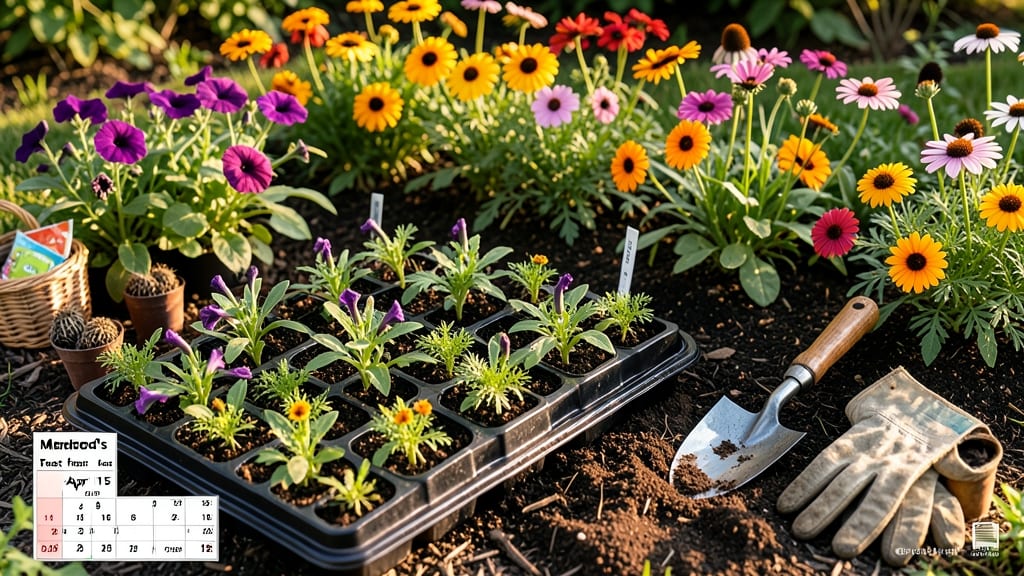
Planting flowers in Maryland at the right time means the difference between a garden bursting with color and one that struggles to take hold.
Maryland’s unpredictable spring weather can leave gardeners guessing—plant too early, and frost ruins your blooms; too late, and summer flowers miss their prime. Mastering the perfect planting timeline for Maryland’s Zone 7b ensures vibrant gardens from spring to fall.
Whether you’re sowing cool-season 🌸 like pansies in March or waiting for the heat to pass before planting sun-loving annuals, timing is everything. A well-planned schedule protects your investment and keeps your garden thriving all season long.
Below, I’ll break down the exact months to plant by flower type, share frost-proofing tips, and highlight the best varieties for Maryland’s climate—so you can enjoy blooms from May through October.
Maryland flower planting calendar by season: exact months for best results
Maryland’s Zone 7b climate offers a 165-200 frost-free days, giving us a generous window to grow flowers—but timing is everything. The average last frost date is mid-April (April 10 in rural areas, April 15 in Baltimore/DC), while the first frost typically arrives in mid-October.
This means cool-season flowers like pansies and tulips thrive in early spring and fall, while warm-season beauties like zinnias and marigolds need to wait until after the last frost.
For Baltimore and DC gardeners, urban heat islands can push last frost dates 3-5 days later than rural areas. In contrast, western Maryland’s higher elevations may experience frost 1-2 weeks earlier. Always check your local microclimate—a sheltered south-facing bed warms up faster than an exposed north side.
Here’s your seasonal planting breakdown, organized by flower type and Maryland’s unique growing windows:
| Season | Planting Window | Flowers to Plant | Key Notes |
|---|---|---|---|
| Early Spring | Mid-February to March | Tulips, Daffodils, Pansies, Sweet Alyssum, Snapdragons | Plant bulbs in cool soil (40-50°F); annuals can handle light frost. |
| Late Spring | April 15–May 10 | Peonies, Irises, Coreopsis, Black-Eyed Susans, Petunias | Wait until soil warms to 55°F+; harden off seedlings. |
| Summer | May 15–June 30 | Zinnias, Marigolds, Sunflowers, Cosmos, Lantana | Direct-sow after last frost; mulch to retain moisture. |
| Early Fall | August 1–September 15 | Chrysanthemums, Asters, Pansies, Calendula, Sweet William | Plant 6-8 weeks before first frost for fall color. |
| Late Fall | October 1–November 1 | Spring-Blooming Bulbs (Tulips, Hyacinths), Winter Aconite | Plant bulbs in cool soil before ground freezes. |
For container gardening, you can extend seasons by 2-3 weeks on either end. Containers warm up faster in spring and stay cooler in summer, making them ideal for heat-sensitive flowers like impatiens or early spring bloomers like primroses.
Just ensure pots have drainage holes and use lightweight soil to prevent overheating.
If you’re in Baltimore or DC, urban areas often experience heatwaves in June that can stress flowers. Opt for heat-tolerant varieties like lantana or zinnia, and provide afternoon shade with lightweight shade cloth (30-50% coverage).
In rural Maryland, where nights stay cooler, you can push planting dates 1-2 weeks later without risking frost damage.
Pro tip: Use row covers or cold frames to protect tender seedlings from late spring frosts (which can hit as late as May 10 in some years). For fall planting, aim to get seeds in the ground by September 15—any later, and flowers may not mature before winter.
Remember, soil temperature matters just as much as air temperature. Use a soil thermometer to confirm it’s 50°F+ before planting warm-season flowers. Cool soil slows germination, leaving your garden vulnerable to pests or weeds that move in faster.
By following this calendar, you’ll avoid the common mistakes of planting too early (frost damage) or too late (missed bloom seasons). Start with cool-season flowers in spring, transition to warm-season stars in summer, and cap the year with fall bloomers for a garden that stays vibrant year-round.
Top 10 flowers to plant in Maryland by month: what thrives when
Maryland’s Zone 7b climate offers a long growing season for flowers, but timing is everything. Cool-season bloomers like pansies and tulips thrive in early spring, while sunflowers and zinnias need warm soil to germinate.
I’ve curated the top 10 flowers that perform best in Maryland, organized by planting month, so you can maximize blooms year-round.
For spring planting (March–May), focus on cool-hardy perennials and early annuals that tolerate Maryland’s late frosts. Summer months (June–August) are ideal for heat-loving annuals and bulbs like dahlias. Fall (September–October) lets you plant bulbs for spring and cool-season annuals that bloom until frost.
Key factors like sunlight, soil type, and water needs vary by flower. Maryland’s clay-heavy soil in some areas (like Baltimore County) drains poorly, while sandy soil in Western Maryland dries out fast. I’ll highlight soil amendments and watering tips for each flower to set you up for success.
🌱 Maryland’s Best Flowers by Planting Month
- 🌷 March: Tulips & Daffodils (plant bulbs in fall; spring blooms). Pansies (direct sow after last frost). Sunlight: Full sun to partial shade. Soil: Well-draining; amend clay with compost.
- 🌼 April: Peonies (bare-root in early spring). Sweet Alyssum (annual; sow after frost). Sunlight: Full sun. Water: Keep soil moist until established.
- 🌻 May: Black-Eyed Susans (perennial; transplant seedlings). Marigolds (direct sow for pest control). Sunlight: Full sun. Soil: Tolerates poor soil; add mulch to retain moisture.
- ☀️ June: Sunflowers (direct sow after soil warms). Zinnias (annual; pinch back for bushier growth). Sunlight: Full sun (6+ hours). Water: Deep water 2x/week.
- 🌺 July: Dahlias (plant tubers after frost). Cosmos (self-seeding annual). Sunlight: Full sun. Tip: Deadhead spent blooms for continuous flowers.
- 🌿 August: Chrysanthemums (plant for fall color). Snapdragons (cool-season annual). Sunlight: Partial shade in hot afternoons.
- 🍂 September: Asters (perennial; attracts pollinators). Sweet Peas (sow for spring blooms). Soil: Add phosphorus for root growth.
- 🌰 October: Crocus & Hyacinths (bulbs for spring). Violas (hardy annual). Sunlight: Full sun to partial shade.
💡 Pro Tip: Maryland’s humid summers increase fungal risks. Space plants for airflow and water at soil level (not leaves).
Each of these flowers thrives in Maryland’s climate but requires specific care. For example, tulips planted in October need well-draining soil to prevent rot, while zinnias sown in June demand full sun and consistent watering to avoid wilting.
I recommend testing your soil’s pH (aim for 6.0–7.0) and amending with compost before planting.
Don’t overlook container gardening for small spaces or extended seasons. Petunias and geraniums thrive in pots and can be moved indoors before first frost (mid-October). For perennials like coneflowers, divide clumps every 3–4 years to rejuvenate growth. Mulch around newly planted flowers to retain moisture and suppress weeds.
Start with one or two flowers per month to build your garden’s resilience. For instance, pair March tulips with April sweet alyssum for a low-maintenance spring display. By July, sunflowers and zinnias will provide bold summer color, while fall asters and mums extend the season until frost.
With this month-by-month guide, your Maryland garden will bloom beautifully year-round!