
Flowers
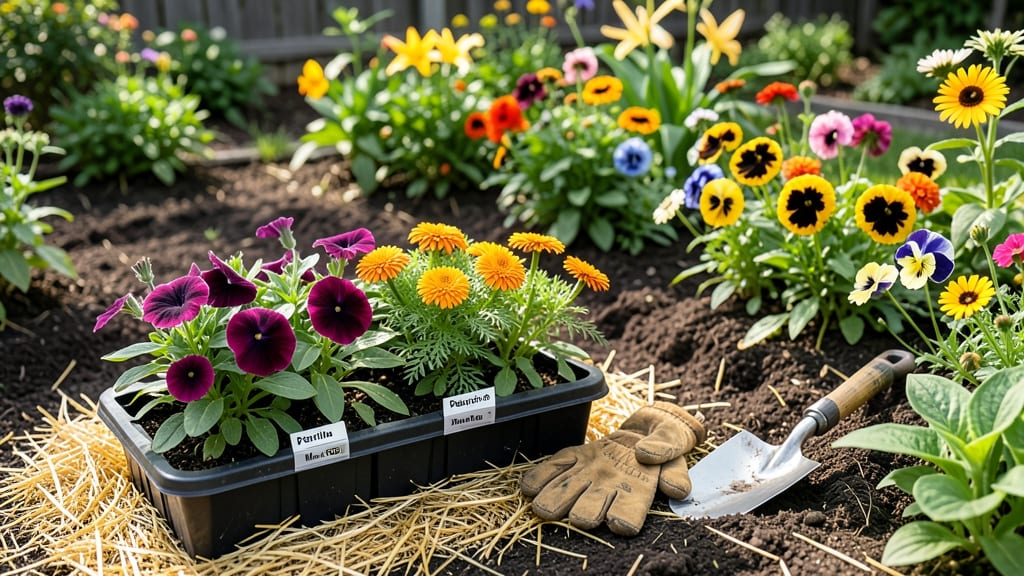
Planting flowers in Pennsylvania at the right time means the difference between a garden that bursts into color and one that struggles to take root.
Pennsylvania’s diverse climate—from the cool mountain air of the Poconos to the humid summers of Pittsburgh—means choosing the wrong planting time can turn your dream garden into a wilted disappointment. But timing it right guarantees vibrant blooms that last all season.
Most gardeners in zones 5-7 should start annuals like petunias and marigolds after the last frost, typically by late April, while perennials like coneflowers and daylilies can go in as early as late March once the soil warms.
Bulbs, though, have their own rules—plant them in fall for a spring surprise.
Below, I break down the exact planting windows for your region, plus how to adjust for microclimates, soil prep tips, and the heat-tolerant flowers that thrive in PA’s short growing season.
Pennsylvania planting zones & heat-tolerant flower timing by month
Pennsylvania spans USDA Zones 5-7, creating unique challenges for gardeners. The Poconos (Zone 5) experience later springs and earlier frosts, while Pittsburgh and Philadelphia (Zone 6-7) bake under summer heat.
To thrive, flowers need precise timing—plant too early, and frost zaps tender seedlings; too late, and summer heat wilts them before blooming.
Annuals like petunias and marigolds demand warm soil (50°F+) and last-frost safety, while perennials such as coneflowers and daylilies establish roots in spring but bloom best with fall planting. Below, I’ve mapped exact windows by zone to stretch your blooms from June through October—even in PA’s short summers.
🌱
For Zone 5, I recommend starting petunias and geraniums indoors by March 1 to beat the late frosts. In Zone 7, you can push the envelope with tropical-looking hibiscus or canna lilies—just plant after May 15 when soil warms.
Pro tip: Marigolds and zinnias self-seed reliably, so let a few bolt for next year’s June blooms.
Heat waves hit PA hard—especially in July and August. To protect your garden, I always mulch heavily (2–3 inches of straw) and water deeply at dawn. For perennials, deadheading spent blooms extends their season by 3–4 weeks.
And if your daylilies start sagging in 90°F+ heat, give them a light shade cloth for 2 weeks to recover.
Fall planting in PA is a game-changer for perennials. By September 1, the soil stays warm enough for roots to establish before winter. I’ve had coneflowers and black-eyed Susans bloom earlier the next spring when planted in late August.
Just avoid bulbs like tulips—they need cool fall soil to form roots.
🌿
Don’t overlook microclimates: A south-facing wall can add 2–3 weeks to your growing season. In valleys, plant 2 weeks earlier than your zone suggests, while mountain slopes may need 1–2 weeks later.
For urban gardens, the heat island effect means delay planting by 10–14 days—stick to heat-tolerant varieties like lantana or portulaca.
To maximize blooms, I stagger plantings
Best flowers for Pennsylvania’s short vs. long growing seasons (with frost-date hacks)
Pennsylvania’s growing seasons vary dramatically—from 120 frost-free days in the Poconos to 180 days in Pittsburgh. This means your flower choices should adapt to your local frost dates and heat tolerance.
Cold-hardy annuals like pansies and snapdragons thrive in short seasons, while lantana and black-eyed Susans love long, hot summers. The key? Staggered planting to extend blooms all season.
For short-season areas (zones 5-6), focus on early bloomers like sweet peas and calendula planted in late April. In long-season zones (zone 7), you can push the envelope with heat-loving zinnias and portulaca planted as late as mid-June.
Always check your last frost date—typically April 15 in most of PA but May 1 in high-altitude areas.
Here’s how to match flowers to your season length, plus frost-date hacks to maximize blooms:
Short Growing Season (120-140 Days)
Long Growing Season (160-180 Days)
For short-season gardens, prioritize cool-season annuals like pansies (plant March-April) and snapdragons (plant April-May). These handle light frosts and bloom early. Stagger plantings every 2-3 weeks to extend color until frost. For example, sow calendula in late April, then again in mid-May for a June-September show.
In long-season areas, lean into heat lovers like lantana (plant May-June) and black-eyed Susans (plant April-May). These handle 90°F+ temps and keep blooming until first frost. Pro tip: Deadhead spent blooms to encourage second flushes—especially with zinnias and cosmos.
For late-summer color, try portulaca planted in June—it thrives in heat and drought.
Use row covers in short seasons to protect late bloomers like sweet peas until June. In long seasons, mulch heavily to retain moisture for drought-prone flowers like lavender. And always check soil temps—wait until they hit 50°F (10°C) for spring planting to avoid frost damage.
With these hacks, your PA garden can bloom from spring to fall—no matter your season length!
🌷