
Plants
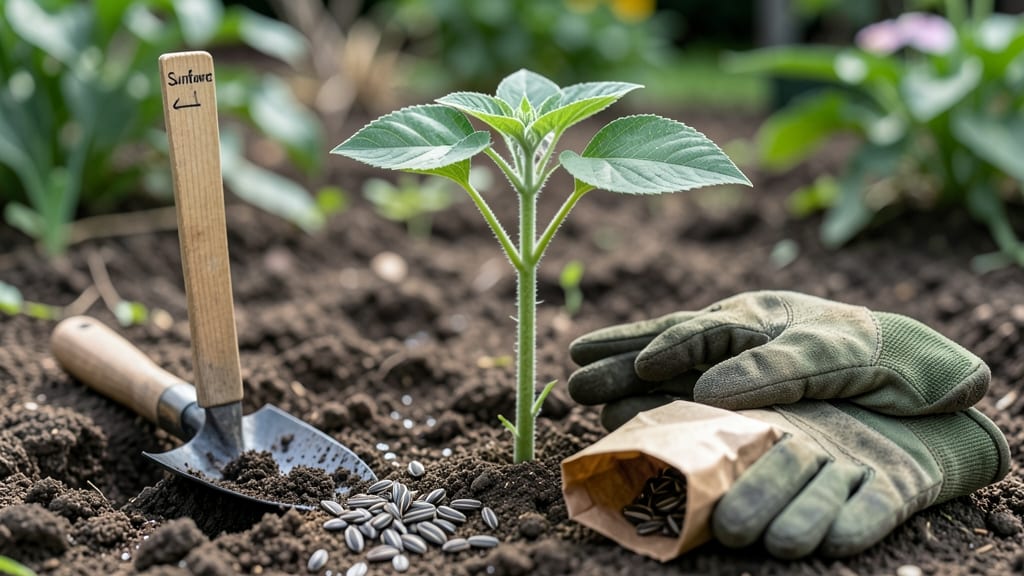
To plant sunflower seeds in New Jersey, wait until after the last frost—typically mid-April for most of the state, but check your exact zone to avoid frost damage.
New Jersey’s unpredictable spring weather can leave gardeners guessing—plant sunflower seeds too early, and frost will kill them; too late, and summer heat may stunt growth. Timing is everything for vibrant, towering sunflowers that thrive in NJ’s 6a-7b climate.
Sunflowers 🌻 love the long, sunny days of late spring, but they need a head start. Planting between mid-April and early June ensures they’ll mature before the first frost hits in October, giving you those iconic blooms by summer’s end.
Below, I’ll break down the best planting windows by region, the top heat-resistant varieties for NJ, and simple aftercare tips to keep your sunflowers reaching for the sky.
NJ’s frost-free deadline for sunflower seeds: exact planting windows by region
New Jersey’s last frost dates vary dramatically from north to south, making precise timing critical for sunflower success. In Northern NJ (USDA Zone 6a), the average last frost occurs around May 15, while Southern NJ (Zone 7a) typically warms up by April 20.
Planting too early risks frost damage, but delaying too long may shorten the bloom season before fall frosts arrive in October.
Sunflower seeds germinate best in soil that’s at least 55°F (13°C), so wait until your region’s frost-free window opens.
For early varieties like ‘Teddy Bear,’ you can push the envelope and plant as early as mid-April in the south, but late May is safer for most regions. Tall varieties like ‘Mammoth’ need the full growing season, so aim for planting by early June in northern areas.
Use a soil thermometer to confirm readiness—sunflowers won’t sprout until soil warms consistently above 60°F (16°C). In cooler microclimates (like high elevations or shaded spots), extend your planting window by 2-3 weeks or use row covers to protect seedlings.
Pro tip: Plant a test row a week before your target date to monitor germination progress.
Here’s your region-specific planting timeline for sunflowers in NJ, including soil temperature thresholds and frost risks:
For early blooms, prioritize short-day varieties like ‘Autumn Beauty,’ which mature faster (in 70-80 days) and can handle slightly cooler soils.
If you’re aiming for giant sunflowers like ‘Russian Giant’ (120+ days to maturity), plant no later than June 1 in the north to avoid stunted growth from early fall frosts.
Adjust your planting strategy based on your sunflower’s maturity timeline. For example, a 50-day variety planted on June 1 in Northern NJ will bloom by mid-July, while a 100-day variety planted the same date may not reach full height before frost.
Use a planting calendar to map out your sunflower’s lifecycle against NJ’s 165-day frost-free window.
If you miss the spring window, don’t despair! Sunflowers are heat-tolerant and can handle summer planting in NJ. Sow seeds in early July for late-summer blooms, but expect smaller flowers.
For a second harvest, try succession planting every 2 weeks from May to July. Just remember: water deeply during NJ’s hot, humid summers to prevent bolting or mildew.
Monitor your local microclimate—urban areas like Newark may experience heat islands that warm up faster, while rural spots like the Pine Barrens stay cooler longer. Use a weather app to track nighttime temperatures, as sunflowers need consistent warmth to thrive.
If a late frost threatens, cover seedlings with frost cloth or a lightweight blanket for protection.
Plan your sunflower layout to maximize pollinator visits and seed production. In compact NJ gardens, space dwarf varieties like ‘Little Becka’ 12 inches apart, while tall types need 24+ inches of clearance.
Rotate crops annually to prevent soil-borne diseases, and avoid planting sunflowers where last year’s were located to reduce pest pressure.
With the right timing, your sunflowers will reward you with vibrant blooms from July through October, attracting bees, butter
Best heat-resistant sunflower varieties for NJ summers (drought-tolerant & disease-resistant picks)
New Jersey’s humid summers and occasional droughts can challenge sunflowers, but the right varieties thrive in these conditions. I’ve handpicked heat-resistant sunflowers that handle NJ’s 90°F+ temperatures and occasional dry spells without wilting.
These picks also resist common diseases like powdery mildew and rust, which flourish in our damp summers.
Whether you want giant sunflowers for dramatic height or compact varieties for small spaces, these options deliver stunning blooms with minimal fuss. Each variety balances drought tolerance, disease resistance, and adaptability to NJ’s USDA zones 6a-7b. Let’s dive into the top performers!
Sunflower Varieties: Pros & Cons
Mammoth
Teddy Bear
Russian Giant
Autumn Beauty
For maximum height and drama, the ‘Mammoth’ variety is unbeatable, reaching up to 14 feet—perfect for creating a focal point in your garden. However, its towering stature requires staking in NJ’s occasional windy summers.
If you prefer a low-maintenance option, ‘Teddy Bear’ sunflowers are ideal for containers or small gardens, blooming in just 60 days.
The ‘Russian Giant’ is my go-to for heirloom sunflowers that thrive in heat and produce large, edible seeds. It’s a favorite among NJ gardeners who love old-fashioned varieties with a rustic charm. Just be prepared for a longer wait (up to 120 days) for those stunning blooms.
If you’re after colorful blooms that double as pollinator magnets, ‘Autumn Beauty’ delivers with its multi-hued petals. This variety also excels in drought conditions and resists common diseases, making it a reliable pick for NJ’s variable summers. Plus, its 5-6 ft height fits well in mixed borders.
Pro tip: Pair drought-tolerant varieties like ‘Autumn Beauty’ with mulch to retain moisture during NJ’s hot, dry spells. And for extra protection against powdery mildew, water at the base of the plant in the early morning to let foliage dry quickly.