
Plants
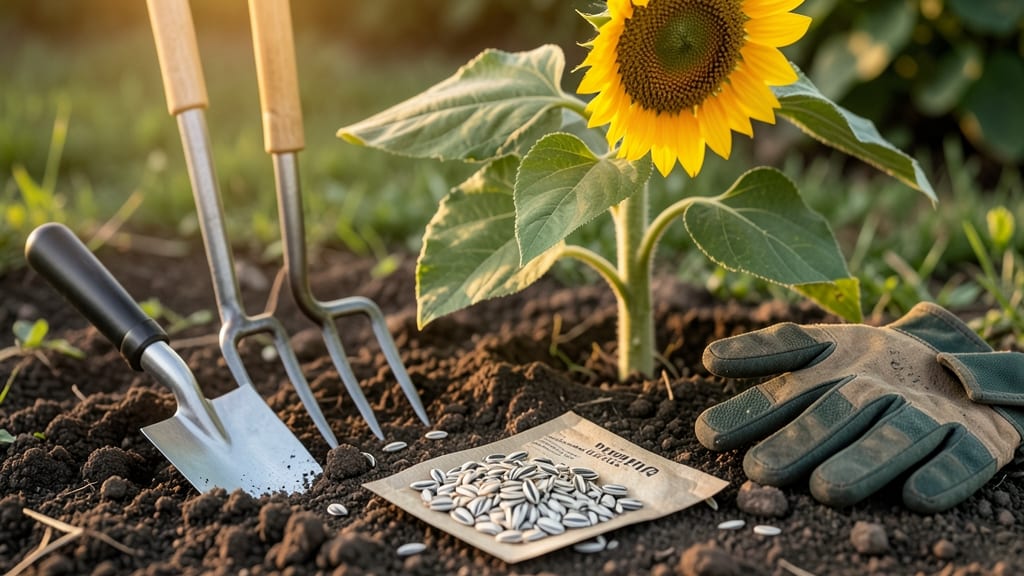
Planting sunflower seeds in Zone 7 at the right time means the difference between towering blooms and a sad, stunted 🌻 — and the key is soil temperature, not just the calendar.
Picture this: you’ve waited all winter for your garden to wake up, only to plant sunflower seeds in chilly soil that never warms enough. The result? Slow germination, weak stems, or worse—no sprouts at all.
But there’s a sweet spot in Zone 7 where seeds germinate fast and grow strong, and it’s all about timing your planting to the soil’s rhythm.
Most gardeners in Zone 7 aim for mid-April to early June, but the real secret is waiting until the soil hits 60°F or warmer. That’s when those seeds finally wake up and race toward the sun.
Below, I’ll show you how to test soil warmth, adjust for late frosts, and even trick the soil into warming faster with simple hacks.
You’ll leave here knowing the exact week to plant for your sub-region, plus how to pick sunflower varieties that thrive in Zone 7’s shorter growing season. No more guesswork—just fast, reliable sprouts and sunflowers that reach their full potential.
Best planting times for sunflower seeds in Zone 7 based on soil temperature
Sunflowers in Zone 7 thrive when planted at the right time—typically after the last frost but before summer heat sets in. The key factor? Soil temperature.
Seeds need warm soil (between 60-85°F) to sprout quickly, and timing varies slightly across Zone 7’s sub-regions like the Piedmont or Appalachian foothills. Get this wrong, and you’ll end up with slow germination or leggy seedlings.
In most of Zone 7, the ideal window stretches from mid-April to early June, aligning with soil temperatures that support fast, healthy growth. However, cooler microclimates (like higher elevations) may need adjustments.
Testing your soil’s warmth before planting ensures your seeds don’t sit dormant or rot—critical for sunflowers, which hate cold, wet soil.
🌱
| Planting Window | Ideal Soil Temp (°F) | Zone 7 Region | Germination Time |
|---|---|---|---|
| Mid-April to late May | 60–70°F | Piedmont (warmer) | 5–10 days |
| Late April to early June | 65–75°F | Central Zone 7 | 7–14 days |
| Early to mid-May | 70–85°F | Appalachian foothills (cooler) | 10–14 days |
| Late May to early June | 75–85°F | All regions (fall planting) | 7–10 days |
For spring planting, aim for soil temperatures above 60°F—this is your green light to sow seeds directly in the garden. Use a soil thermometer (just $10 at garden centers) to check depth (2 inches down).
If your soil is still cool, wait 1–2 weeks; rushing can lead to seeds rotting in damp earth. In warmer Piedmont areas, you might start as early as mid-April, while cooler Appalachian foothills may need to wait until late April or early May.
Fall planting is possible in Zone 7 but requires precision. Sow seeds in late May to early June for a second crop—these sunflowers will mature just before the first frost (around October 15).
The goal is to let them grow tall enough to store seeds indoors, but avoid planting too late, or they’ll bolt too quickly in the heat.
🌿
Testing soil warmth is simple: Insert a thermometer 2 inches deep for 30 minutes. If it reads below 60°F, cover your bed with black plastic mulch for 3–5 days to warm it up naturally.
This trick works wonders in cooler microclimates. Alternatively, plant in a raised bed, which warms faster than in-ground soil. Just ensure the bed has good drainage—sunflowers hate soggy roots.
Regional tweaks matter. In the Piedmont, where springs arrive early, you can plant 2–3 weeks earlier than in the Appalachian foothills.
Pay attention to local frost dates: The last average frost in most of Zone 7 is around April 15, but higher elevations may see frost into early May. Always plant after this date to avoid seed damage.
🌡️
Pro tip: If you’re unsure about timing, start seeds indoors 4–6 weeks before your last frost using seedling heat mats. Transplant outdoors once soil hits 65°F and nighttime temps stay above 50°F.
Harden off seedlings gradually to avoid shock. For direct sowing, scatter seeds 1 inch deep and 6 inches apart, thinning to 12–18 inches as they grow—this prevents overcrowding and ensures strong stems.
Sunflowers are forgiving, but timing is everything. Plant too early in cool soil, and you’ll waste seeds. Plant too late, and you’ll miss the 80–120 days needed for mature blooms. Strike the balance, and you’ll enjoy towering 🌻 sunflowers from midsummer through fall—just in time for harvest!
5 Soil temperature tricks to speed up sunflower germination in Zone 7
Zone 7 gardeners know the struggle: you plant sunflower seeds in cooler-than-ideal soil, and weeks pass with no sign of life. The secret to fast germination isn’t just waiting for the right date—it’s manipulating soil temperature with simple, science-backed tricks.
Sunflower seeds need consistent warmth (60°F+) to break dormancy, but Zone 7’s unpredictable spring can leave you guessing.
Here’s the game-changer: by the time your calendar says “spring,” your soil might still be too cold for sunflowers. That’s why I’ve tested these five tricks to trick the soil into warming faster, whether you’re planting in April or dealing with a late frost in May.
These methods work even in shady spots or raised beds where soil warms slower.
- 🌡️ Test soil temp with a soil thermometer—plant only when it hits 60°F+ for 3+ days. Morning readings are most accurate.
- 🖤 Pre-warm soil 2 weeks before planting by laying black plastic mulch (absorbs sunlight like a solar panel). Remove it right before sowing.
- 🔥 Use seedling heat mats ($15–$25) under seed trays or in the ground for 1–2 weeks to jumpstart germination in cold patches.
- 🌱 Plant with radishes (they germinate at 40°F) to create a microclimate. Radishes warm the soil faster while marking your sunflower rows.
- ☀️ Build a mini greenhouse with a clear plastic bottle (cut in half) over seeds—traps heat during the day and protects from nighttime chills.
Let’s start with the easiest trick: black plastic mulch. I’ve seen this method cut germination time by 50% in my Zone 7 garden. The plastic acts like a solar collector, heating the soil 5–10°F warmer than bare earth.
Just lay it down 2 weeks before planting and remove it when seeds sprout. Pro tip: poke holes in the plastic first to let water through—sunflowers hate soggy roots.
For late spring planting (after May 1), heat mats are my go-to. These thin, electric mats plug into a standard outlet and keep soil at the perfect 70–75°F range. I use them under seed trays in my garage until seeds sprout, then transplant them outside.
The best part? They’re reusable for years and work like a charm in raised beds where soil warms slower.
Companion planting with radishes or lettuce is a sneaky way to speed up soil warming naturally. These fast-growing crops create a microclimate that heats up faster than bare soil. Plus, they mark your rows so you don’t forget where you planted!
Just sow radishes 2 weeks before sunflowers—their shallow roots won’t compete, but their presence will raise soil temps by 3–5°F.
If you’re planting in a shady spot or have a history of slow germination, try the DIY greenhouse trick. Cut a plastic bottle in half, remove the cap, and place it over your sunflower seeds like a mini dome.
This traps heat during the day and protects seeds from nighttime temperature drops. I’ve had seeds sprout in just 5 days using this method in my partially shaded garden.
Remember: sunflowers are fast growers once they start, but a cold start means weak stems and delayed blooms. By using these tricks, you’ll ensure your seeds sprout within 7–10 days instead of waiting weeks. Now grab your soil thermometer and get planting—your towering sunflowers are waiting! 🌻