
Planting
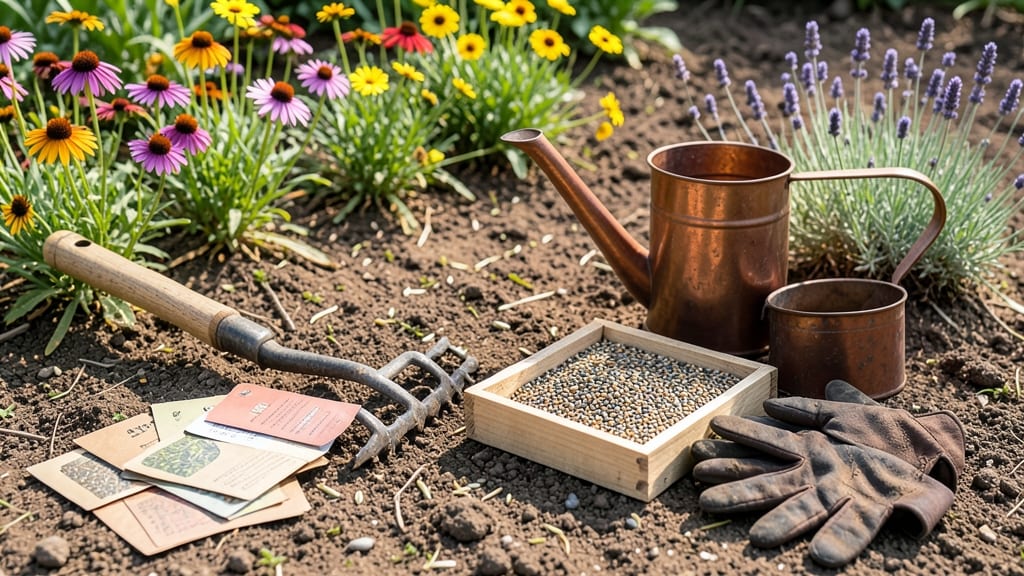
Sowing wildflower seeds in Zone 6 at the right time means the difference between a vibrant meadow and a patch of dirt by summer.
Zone 6 gardeners know timing is everything—plant too early, and the seeds bolt in summer heat; too late, and frost wipes them out before blooming. The secret to a thriving wildflower garden? Mastering the perfect sowing windows for both spring and fall plantings.
Spring is your first chance, but rushing it risks heat stress. Fall offers a second shot, with cooler soil and fewer weeds.
Below, I break down the exact months to plant for longer blooms, how to prep your soil, and why some wildflowers perform better in one season over the other.
Ready to transform your yard into a pollinator paradise? You’ll learn how to time it right, whether you’re scattering seeds directly or starting them indoors for a head start.
Zone 6 wildflower sowing calendar: exact spring vs. fall timing for maximum blooms
Timing your wildflower seeds in Zone 6 can mean the difference between a lush meadow and a failed patch. The last spring frost typically hits around mid-April, while the first fall frost arrives in mid-October.
These dates create a narrow window for success, especially for annual wildflowers that need warm soil to germinate.
Fall planting often outperforms spring for perennial wildflowers because seeds get a head start on root growth before winter. Meanwhile, spring planting works best for annual varieties that bloom quickly. Let’s break down the exact timing for both seasons to maximize your bloom potential.
| Season | Ideal Planting Window | Soil Temperature | Key Considerations |
|---|---|---|---|
| Spring | Late March - Early April | 50-60°F (10-15°C) | Wait until after last frost; water lightly daily until germination. |
| Spring (Northern Zone 6) | Early April - Mid-April | 50-65°F (10-18°C) | Use row covers if late frosts are expected. |
| Spring (Southern Zone 6) | Late February - Early March | 55-65°F (13-18°C) | Soil warms faster; sow annuals first for quicker blooms. |
| Fall | Mid-August - Early September | 60-70°F (15-21°C) | Seeds need 4-6 weeks to germinate before frost. |
| Fall (Northern Zone 6) | Late August - Early September | 55-65°F (13-18°C) | Prioritize perennials for overwintering success. |
| Fall (Southern Zone 6) | Early August - Mid-August | 65-75°F (18-24°C) | Water deeply to encourage root growth before dormancy. |
For spring sowing, aim to plant annual wildflowers like cosmos and zinnias in late March or early April—right after the last frost date. Soil temperatures should hover around 50-60°F (10-15°C) for optimal germination.
In northern Zone 6, wait until mid-April to avoid late frosts, while southern Zone 6 gardeners can start as early as late February.
If you’re planting perennials like coneflowers or black-eyed Susans, fall is your best bet. Sow seeds in mid-August to early September when soil is still warm but cooling. This gives seedlings time to establish roots before winter.
In northern areas, push planting to early September, while southern regions can start as early as early August.
Adjust your timing if unpredictable frosts threaten. Use row covers or a cold frame to protect young seedlings in spring. For fall plantings, ensure seeds germinate at least 4-6 weeks before the first frost—typically by mid-October. Monitor local weather forecasts and soil moisture levels to fine-tune your schedule.
Pro tip: Stratify seeds (mimic winter conditions) for perennials by mixing them with moist sand and refrigerating for 4-6 weeks before sowing. This boosts germination rates by 30-50% for species like lupines or bee balm. For annuals, direct sowing works best—no stratification needed.
Watering is critical in the first 2 weeks after sowing. Keep soil consistently moist (not soggy) to encourage germination. Once seedlings emerge, reduce watering to once weekly unless drought conditions persist. Mulch lightly with straw to retain moisture and suppress weeds.
Remember, Zone 6’s climate varies—northern areas (like Chicago) have shorter growing seasons, while southern regions (like Atlanta) enjoy longer warmth. Use a local frost calendar and adjust your planting by 1-2 weeks if needed.
With the right timing, your wildflowers will reward you with months of vibrant blooms from early summer through fall.
🌱
5 Critical factors that determine your wildflower success in Zone 6
Timing your wildflower seeds right in Zone 6 is just the first step. Even with perfect planting windows, your meadow's success hinges on five critical factors that often get overlooked.
These variables—soil moisture, sunlight exposure, seed stratification, weed competition, and site preparation—can make or break your wildflower dreams. Let's dive into how to optimize each for a thriving, low-maintenance garden.
First, soil moisture is non-negotiable. Wildflowers are drought-tolerant, but seeds need consistent moisture to germinate. In Zone 6, spring planting requires regular watering until seedlings establish roots, while fall planting benefits from natural autumn rains.
I recommend using a drip irrigation system or soaker hose for even moisture distribution—this prevents uneven germination and gives delicate seedlings the best start.
Sunlight exposure is another game-changer. Most wildflowers thrive in full sun (6+ hours daily), but some species like blue-eyed grass tolerate partial shade. Before sowing, map your garden's sunlight patterns. Use a sunlight tracker app for a week to identify areas with <6 hours of direct light—these spots are better suited for shade-tolerant varieties like columbine or wild geranium.
Many wildflower seeds, especially perennials, require stratification to break dormancy. This mimics natural winter conditions and improves germination rates. For Zone 6, I recommend cold-stratifying seeds in a plastic bag with moist sand for 4-8 weeks in your fridge before sowing.
This is particularly important for coneflowers, black-eyed Susans, and purple coneflower—species that often struggle without this step.
Weed competition is the silent killer of wildflower meadows. Weeds steal nutrients, water, and sunlight, leaving your delicate seedlings struggling. To stay ahead, apply a pre-emergent herbicide 2 weeks before sowing to block weed seeds from germinating.
After planting, hand-pull weeds as they appear, focusing on the first 8-12 weeks when wildflowers are most vulnerable. A quick 10-minute weekly weed patrol can save your entire meadow.
Finally, site preparation sets the foundation for success. Start by clearing all debris and existing vegetation from your planting area. Loosen the soil to a depth of 4 inches to encourage root growth, and mix in 2-3 inches of compost to improve fertility.
Rake the area to create a fine, firm seedbed—this ensures seeds make good contact with the soil, which is critical for even germination. For larger areas, consider using a broadfork to aerate compacted soil without disturbing the seedbed.
By addressing these five factors—soil moisture, sunlight, stratification, weed control, and site prep—you’ll give your Zone 6 wildflowers the best possible start. Remember, a little extra effort in preparation pays off with years of low-maintenance blooms. Happy gardening! 🌼