
Flowers
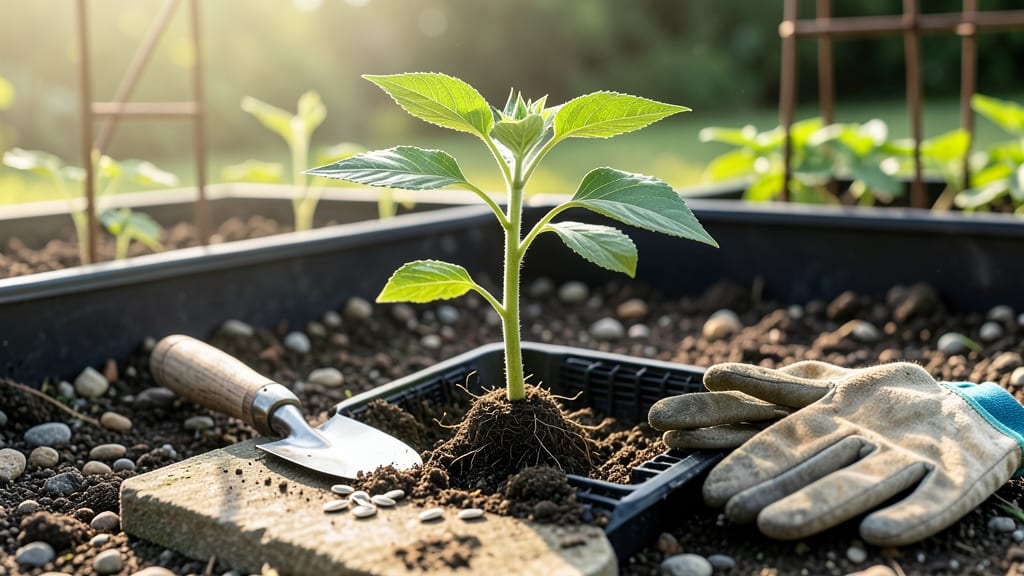
Planting sunflowers in East Texas means timing your seeds for soil that’s warm enough to germinate—usually by mid-March—but not so early that frost zaps your young 🌻 sprouts.
You’ve got about a six-week window to get them in the ground before summer heat slams in, and missing it means either stunted growth or flowers that bolt too fast.
The key is aligning your planting with soil temperatures that hit 55°F or higher, which in Zone 8a often means waiting until after the last frost date.
East Texas’ humid subtropical climate throws a wrench into general sunflower advice—what works in cooler regions fails here. Too much moisture early on? Root rot lurks. Too dry?
Your seeds won’t wake up. Below, I’ll walk you through the exact planting dates, soil prep tricks, and heat-tolerant varieties that actually thrive in this region.
By the end, you’ll know not just when to plant, but how to set your sunflowers up for taller stems and longer vase life—no guesswork, just proven methods for East Texas gardens.
Best planting windows for East Texas sunflowers based on soil temperature
East Texas gardeners know timing is everything when planting sunflowers. Unlike cooler climates, our USDA Zone 8a/b offers two prime planting windows: spring (March–April) and late summer (August–September).
The key? Waiting until soil temperatures consistently hit 50°F+ for germination. In Houston, this often means mid-March, while Tyler’s cooler microclimate may delay planting until late March.
For spring plantings, aim for March 15–April 15 when frost risk drops below 10%.
This aligns with East Texas’ average last frost date of March 15 but accounts for late-season cold snaps. Late summer plantings (August–September) capitalize on our long, hot season, giving sunflowers time to mature before first frost (typically November 15).
East Texas’ humid subtropical climate creates microclimates where Houston’s urban heat island effect warms soils faster than rural Tyler. Use a soil thermometer to verify readiness—sunflowers won’t germinate below 50°F. For spring plantings, choose heat-tolerant varieties like 'Autumn Beauty' to handle East Texas’ 90°F+ summers.
Late summer plantings (August–September) are ideal for heat-loving varieties like 'Moulin Rouge', which thrives in 95°F+ conditions. These sunflowers often produce larger blooms when planted in September, as they avoid early-season pests and benefit from longer daylight hours.
Just ensure your soil stays moist but not waterlogged during Texas’ humid monsoon season.
In USDA Zone 8a (e.g., Tyler), extend your season by planting dwarf varieties like 'Teddy Bear' in late April. These tolerate cooler soils and mature faster, giving you two harvests in one season. For Zone 8b (Houston), push late summer plantings to September 15 to ensure blooms before frost.
Pro tip: Mulch with straw or pine straw to regulate soil temperature. This keeps seeds from drying out in spring’s fluctuating temps and prevents soil crusting during summer rains. For container gardeners, use black plastic pots to absorb heat and speed germination.
Test your soil’s pH (6.0–7.5) and drainage before planting. East Texas’ clay-heavy soils can suffocate roots, so amend with compost or sand if needed. Well-draining soil is critical for preventing root rot, especially during humid summer months.
Monitor your sunflowers’ growth stages to adjust care. Seedlings need consistent moisture, while mature plants tolerate drought. In East Texas’ heat, water deeply 2–3 times per week rather than daily shallow watering. This encourages deep root systems that access moisture during summer droughts.
Remember: Sunflowers thrive on sunlight. In East Texas, they’ll get 10+ hours of sun daily during peak summer. If planting in late summer, choose a south-facing location to maximize light exposure. For shadier spots, opt for dwarf varieties like 'Sunspot' that tolerate partial shade.
🌻
East Texas frost risk zones: when to avoid early planting
East Texas’ frost patterns are deceptive—just because you’re in Zone 8a doesn’t mean frost is a distant threat. Counties like Smith, Cherokee, and Rains in Northeast Texas average last frost dates as late as April 15, while Houston’s urban heat island often pushes that back to mid-March.
Without checking your local NOAA frost map, you risk planting sunflower seeds that freeze before sprouting.
Sunflowers need soil temperatures above 55°F to germinate, but if a late frost hits, those 1-inch-deep seeds can turn to mush. I’ve seen gardeners in Tyler and Longview lose entire batches because they planted in early March—only to get hit by a 28°F dip in late April.
The solution? Wait for consistent soil warmth and use frost protection if you’re impatient.
Here’s the hard truth: Northeast Texas (counties like Harrison, Upshur, and Panola) has a higher frost risk than Houston or Beaumont. If you’re in these areas, delay planting until after April 15 unless you’re using row covers or cold frames.
Even then, 'Autumn Beauty' sunflowers—which germinate in 5-7 days—won’t outpace a sudden freeze.
⚠️ Frost Risk by East Texas County
Northeast TX (High Risk): Smith, Cherokee, Rains, Wood — Last frost: April 15-30
Central TX (Moderate Risk): Tyler, Longview, Nacogdoches — Last frost: April 1-15
Southeast TX (Low Risk): Houston, Beaumont, Lufkin — Last frost: March 15-31
Action: Use frost blankets if planting before April 1 or choose fast-germinating varieties like 'Autumn Beauty' (5-7 days).
If you’re in a high-risk zone, extend your season with floating row covers—they raise soil temps by 5-8°F and shield seedlings from light frosts (28-32°F). I’ve had success with Agribon AG-19 (a lightweight fabric) over sunflower beds in April, even in Smith County.
Just remove covers once true leaves appear to avoid overheating.
For faster germination in cool soil, soak seeds in lukewarm water for 24 hours before planting. Varieties like 'Teddy Bear' (dwarf) or 'ProCut' (hybrid) also tolerate cooler temps better than standard giants.
In my Tyler garden, 'ProCut' sprouted in 6 days when planted on April 10—just in time to outrun a 30°F freeze two weeks later.
Pro tip: Check the NOAA Climate Data for your county’s 10-year frost averages—some years, Northeast Texas sees frost as late as May 1.
If you’re unsure, plant a test row in late April and use the rest of your seeds for a late-summer crop (August-September) when heat is less extreme.