
Flowers
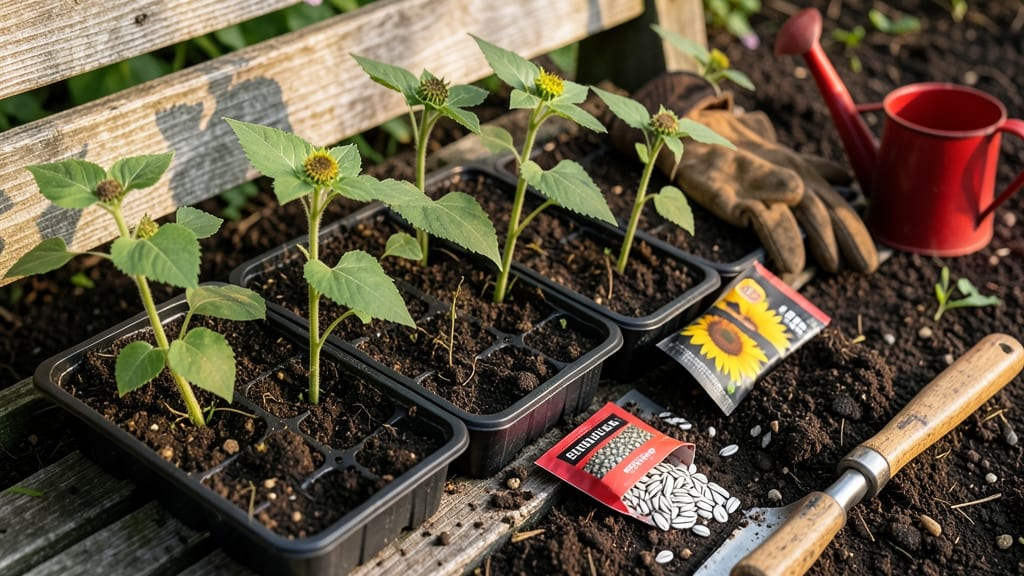
Planting sunflowers in Montana at the right time means the difference between towering blooms and stunted stalks.
Montana’s unique climate—with its short growing season and unpredictable frost dates—can make or break your sunflower harvest. Planting at the wrong time means stunted growth, weak stems, or worse: no blooms at all.
But get the timing right, and you’ll enjoy fast, towering sunflowers that thrive from Missoula to Billings.
For most of Montana’s USDA Zones 4-6, the ideal window is mid-May to early July, once soil temperatures hit 50°F and frost risk fades. That’s when 🌻 seeds germinate quickly and stems grow strong enough to handle late-season heat.
In this guide, I’ll break down the exact dates by region, soil prep tricks to speed up growth, and the one mistake that kills more sunflower gardens in Montana than anything else.
Montana sunflower planting calendar: best dates by region
Montana’s diverse climate—from the high-altitude valleys of Glacier National Park to the Missouri River valley—means sunflower planting dates vary dramatically. In Western Montana, where last frosts hit May 15–20, you can start seeds indoors by April 15 for transplanting.
Meanwhile, Eastern Montana (like Great Falls) often waits until May 25–June 1 due to later frost risks.
For high-altitude zones (above 5,000 ft), like Whitefish or Bozeman, soil warms slower. Aim to plant after May 30, when daytime temps consistently hit 60°F+. In lowland areas (e.g., Billings or Miles City), you can push planting to early July for late-season blooms.
Always check your local USDA Hardiness Zone (Montana spans Zones 4–6) and monitor soil temperature—sunflowers need 50°F+ to germinate. Use a soil thermometer to avoid cold-soil delays, especially in rocky or clay-heavy soils common in Montana.
Here’s a quick guide to Montana’s sunflower planting windows by region, accounting for frost dates and altitude:
For Western Montana, where summers are shorter, prioritize early planting (by May 15) to maximize growth before first frost (typically September 15–20). In Eastern Montana, you have a slightly longer window but must act quickly—delaying past June 15 risks bolting (premature flowering) due to heat stress.
If you’re in a high-altitude zone, like Glacier National Park, focus on dwarf varieties (e.g., ‘Moulin Rouge’ or ‘Sunspot’) that mature in 60–70 days.
These thrive in cooler temps and shorter seasons. For lowland areas (e.g., Billings), you can experiment with succession planting in early July for late-season color.
Pro tip: Use black plastic mulch to warm soil faster in rocky or slow-to-warm areas. This can shave 1–2 weeks off your planting timeline by raising soil temps by 5–10°F. Just remove it once plants are established to prevent overheating.
Always monitor weather forecasts in late spring—Montana’s late frosts can sneak in even after Memorial Day. If frost is predicted, cover seedlings with frost cloth or a lightweight row cover to protect tender young plants.
For container gardening in Montana, start seeds indoors by April 1 and transplant after May 15, regardless of region. Containers warm up faster than garden beds, giving you a head start in cooler climates.
Remember: <
How to time sunflower planting for maximum height and bloom
Montana’s short growing season demands precision when planting sunflowers. The key to maximum height and vibrant blooms lies in soil warmth and frost-free conditions. Most sunflower varieties need 50°F soil temperatures to germinate, which typically occurs in mid-May across most of Montana.
Planting too early risks frost damage, while waiting too long cuts growth time before fall frosts arrive.
For tallest stems and largest blooms, focus on succession planting—sow seeds every 2 weeks from mid-May through early July. This ensures a continuous harvest and extends your display season.
Cold-hardy varieties like ‘Moulin Rouge’ (red-petaled) or ‘Autumn Beauty’ (multi-colored) are ideal for Montana’s climate, as they tolerate cooler soils better than standard types.
To prevent weak stems from late-season heat, mulch plants with 2-3 inches of straw once they reach 12 inches tall. This keeps roots cool and directs energy into stem growth rather than seed production.
In high-altitude areas like Glacier National Park, start seeds indoors 4-6 weeks before your last frost date to extend the season.
One of my favorite tricks for Montana gardens is succession planting with short-day varieties. Plant a second batch in early July for blooms that last until first frost. Choose ‘Teddy Bear’ (dwarf) or ‘ProCut’ (cut-flower type) for reliable late-season color. These varieties bloom faster in Montana’s shorter days.
Finally, watch for late frosts—common in Montana’s valleys. If a frost warning appears after planting, cover seedlings with frost cloth or row covers. Even a 28°F night can damage young sunflowers, but mature plants (over 3 feet tall) usually survive light frosts once blooming begins.
With these strategies, you’ll grow sunflowers that reach 10+ feet and bloom reliably—even in Montana’s challenging climate. The secret? Timing, soil prep, and variety selection make all the difference. 🌻