
Flowers
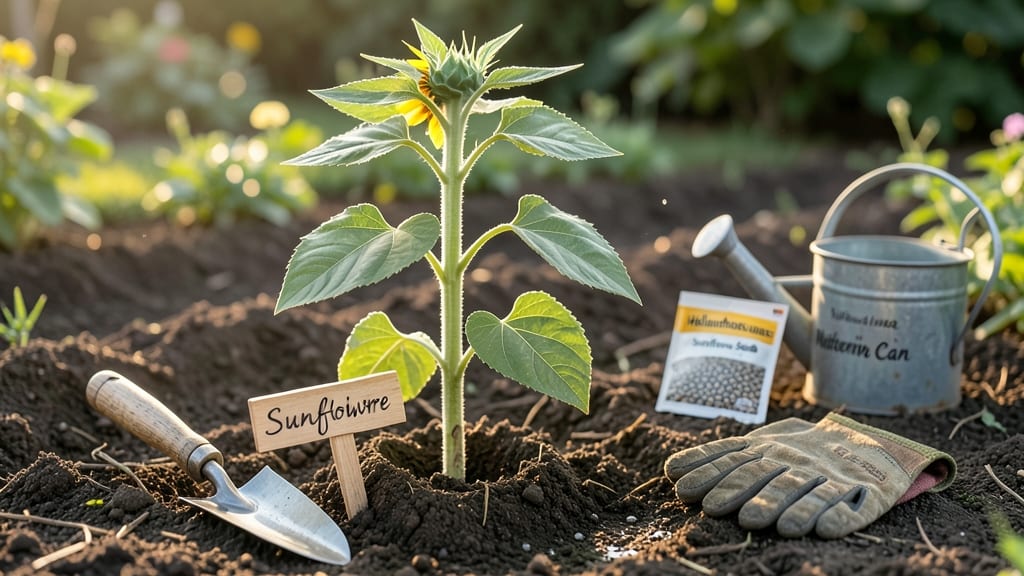
Planting sunflowers in Oregon means timing them just right—after the last frost but before summer’s heat peaks, or you’ll miss the golden blooms you’re after.
Sunflowers thrive in Oregon’s diverse climate—but planting them too early or late can mean the difference between towering blooms and wilted disappointment. Timing matters more than you think, especially when frost-free dates shift dramatically from Portland to the Willamette Valley or the high desert.
In USDA zones 7b-9a, the ideal window runs from mid-April to mid-June, but coastal areas like the Oregon Coast may wait until late May, while inland spots like Bend can start as early as late March.
Get it wrong, and you’ll either lose seedlings to frost or watch them bolt in the heat.
Below, I break down the exact frost-free deadlines by region, whether to start seeds indoors or sow directly, and how to adjust for Oregon’s unpredictable weather—so your 🌻 sunflowers reach their full potential.
Oregon’s frost-free zones: when to plant sunflowers by region
Oregon’s microclimates create dramatic shifts in frost-free dates, making sunflower planting a regional puzzle. The Western Willamette Valley enjoys early springs, while the High Desert waits until June. Understanding your zone’s last frost averages ensures your sunflowers reach their full 10-foot height without frost damage.
Sunflowers thrive in Oregon’s USDA Zones 7b-9a, but timing varies wildly. Coastal areas like Astoria may plant in late March, while inland Bend gardeners wait until mid-June. The key? Plant after soil warms to 50°F (10°C)—your sunflowers will thank you with vibrant blooms by summer’s end.
Comparison Table of Oregon’s frost-free zones for sunflower planting:
In the Western Willamette Valley, where Portland’s last frost typically arrives by late March, you can start sunflower seeds indoors in early April or sow directly after April 15.
The region’s mild winters and long summers create perfect conditions for Russian Giant varieties to reach their full 14-foot height.
For Eastern Oregon, where Bend’s frost lingers until early May, wait until soil temperatures stabilize above 55°F (13°C). This usually means planting after May 20. The dry climate here benefits sunflowers, but consistent watering is critical during establishment.
The Coast Range offers the earliest planting window, with Astoria’s last frost often occurring by late March. However, the cooler temperatures and higher humidity may delay growth. Choose dwarf varieties like 'Teddy Bear' to avoid wind damage from coastal storms.
Gardeners in Oregon’s High Desert face the latest frost dates, with Burns’ last frost rarely passing before early June. Plant heat-tolerant varieties like 'Autumn Beauty' in mid-June for a late-summer display. The dry, hot summers here mean sunflowers need deep, infrequent watering to prevent root stress.
Pro tip: Use row covers if planting early in Zone 7b areas. A single late frost can set back growth by weeks, especially for tall varieties like 'Moulin Rouge'. Monitor local frost alerts and have backup planting dates ready.
Remember, sunflowers need 6-8 hours of sunlight daily. In shadier Oregon zones like the Coast Range, prioritize south-facing plots. The longer daylight hours of summer will compensate for cooler temperatures, ensuring robust growth.
Your sunflowers’ bloom time varies by region too. Willamette Valley plants may flower by July 4th, while High Desert varieties might not bloom until September. Plan accordingly for seed harvesting or cut flower arrangements.
With Oregon’s diverse frost-free zones, the secret to sunflower success lies in localized timing. Check your USDA Zone, verify soil temperatures, and adjust planting dates by 2 weeks if spring arrives late. Your towering sunflowers will reward your precision with vibrant blooms all summer long. 🌻
How to adjust sunflower planting for Oregon’s unpredictable weather
Oregon’s changeable spring weather can turn your sunflower dreams into disappointment if you’re not prepared. Late frosts in May, sudden heatwaves, or weeks of rain can all disrupt your planting schedule. The key is flexibility—knowing how to adjust planting dates and protect young seedlings when Mother Nature throws curveballs.
Even in USDA zones 7b-9a, your sunflower seeds won’t thrive if planted too early in chilly soil or too late when summer’s heat arrives. I’ve planted sunflowers for years in Oregon and learned the hard way: rigid planting dates don’t work here.
Instead, focus on soil temperature, seedling protection, and backup plans for each microclimate.
⚠️ callout warning ⚠️
Even after your last frost date, cold snaps can linger. In the Willamette Valley, May frosts occur 30% of years, while Eastern Oregon’s high desert sees late frosts until mid-May. Always have row covers ready for seedlings until June 1—no exceptions.
First, check your soil temperature before planting. Sunflower seeds need soil at least 50°F (10°C) to germinate properly. Use a soil thermometer—don’t guess! In coastal Oregon, this might mean waiting until early June, while Southern Oregon can start as early as late March. My rule of thumb: Plant when your daily highs consistently reach 65°F (18°C).
For seedling protection, use floating row covers or cloche tunnels if planting before late May. I’ve saved countless seedlings by covering them during unexpected cold snaps. In Eastern Oregon, where nights drop below freezing, consider starting seeds indoors 4-6 weeks before your target outdoor date.
Transplant hardened-off seedlings after the last frost, but keep covers handy for the first two weeks.
If rain delays your planting, don’t panic. Sunflowers tolerate moist soil better than many plants, but waterlogged conditions can cause rot. For backup dates, aim for June 15 in most regions—this gives you 90 days of growing season before fall frosts arrive.
In Southern Oregon, you can push it to July 1, while coastal gardeners should stick to late May to avoid shortened growing seasons.
Finally, choose fast-maturing varieties like 'Autumn Beauty' (55-60 days) if your season feels uncertain. These heat-tolerant sunflowers can still produce blooms even with late planting. I’ve grown them successfully in Portland as late as June 10—just expect slightly smaller heads.
For maximum height, stick to early plantings of 'Russian Giant' (100+ days), but only in warmer microclimates like Medford.