
Flowers
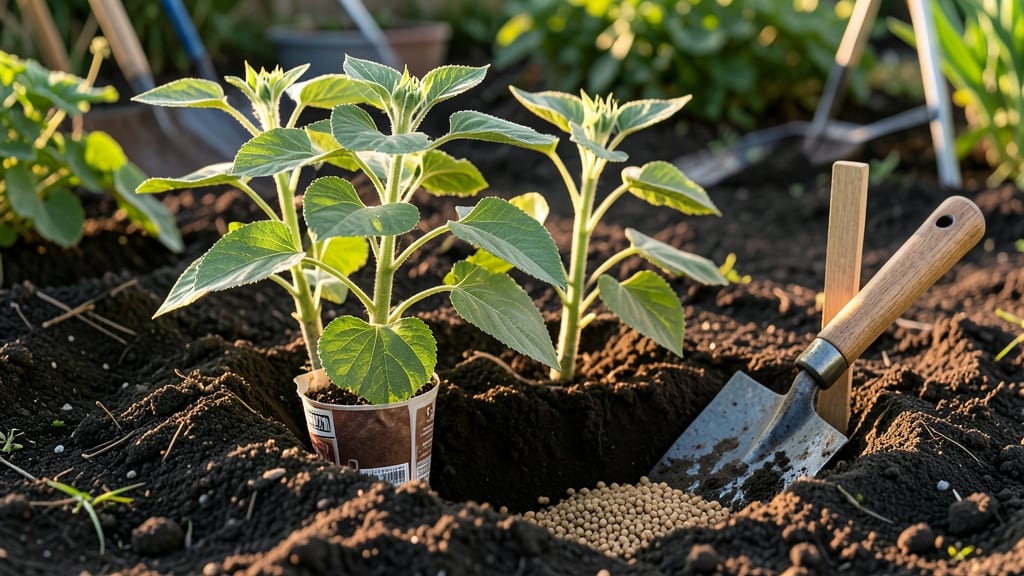
Plant sunflowers in Pennsylvania after your last frost date, typically between mid-April and mid-June for the best results — timing matters more than you might think.
Miss that window, and you risk stunted growth or early frost damage. In USDA Zones 6-7, where Pennsylvania spans both, the difference between a 3-foot dwarf and a 15-foot giant often comes down to planting just a few weeks too early or late.
Southern PA (like Philadelphia) can start as early as late March, while northern areas (like Erie) may wait until early May. I’ll break down the exact dates for your zone, plus how to adjust for sunflower varieties and local microclimates.
Here’s what you’ll learn: the ideal soil temperature for planting, how to extend your growing season, and the 3-step checklist to calculate your frost-free date — no guesswork needed.
Pennsylvania sunflower planting dates by USDA Zone 6 vs. 7
Timing is everything when growing sunflowers in Pennsylvania, where USDA Zones 6 and 7 create subtle but critical differences in planting windows. In Zone 6 (northern PA), the last frost date typically falls around May 10-15, while Zone 7 (southern PA) sees frost-free conditions by April 20-30.
These dates shift even further when accounting for microclimates—like Philadelphia’s urban heat island effect or Pittsburgh’s cooler valleys.
For direct sowing, wait until soil temperatures hit 55°F (13°C), which usually aligns with late April in Zone 7 and early May in Zone 6. If you’re starting seeds indoors, begin 4-6 weeks before your last frost date to give seedlings a head start.
This means March 15 for Zone 7 and April 1 for Zone 6—but adjust based on your exact location.
Here’s how the key planting windows compare across Pennsylvania’s zones, including soil temperature thresholds and transplanting advice:
In Zone 6, cities like Erie or Scranton often experience frost until May 20, so hold off on planting until early June if you’re unsure.
Meanwhile, Zone 7’s warmer pockets—like Lancaster or Reading—can safely plant sunflowers in late March if you use row covers for frost protection. For giant varieties (like ‘Mammoth’), aim for the earliest windows to maximize their 120-day growth cycle before frost.
Pro tip: Use a soil thermometer to confirm readiness—sunflowers won’t germinate below 50°F (10°C), even if frost isn’t a threat.
In my Zone 6b garden, I’ve found that planting ‘Autumn Beauty’ in early May yields blooms by August, while late June plantings still produce flowers before frost. The key is balancing heat tolerance with your local first-frost date, which typically arrives by October 10 in both zones.
For container gardening, extend your window by 2-3 weeks—pots warm up faster and can be moved to protected spots if frost threatens. Just ensure your containers have drainage holes and use lightweight potting mix to prevent root rot.
I’ve grown ‘Teddy Bear’ dwarf sunflowers in 5-gallon pots on my balcony in Zone 7, starting seeds in March and enjoying blooms by July.
Don’t overlook summer planting for late-season varieties! In Zone 7, you can sow ‘ProCut’ or ‘Russian Giant’ as late as June 15 and still harvest seeds before frost. These varieties thrive in hotter conditions and often produce second blooms if you deadhead spent flowers.
Just water deeply once a week to keep soil moist during Pennsylvania’s summer droughts.
If you’re new to sunflower growing, start with ‘Moulin
How to adjust planting time for sunflower varieties in PA
Not all sunflowers are created equal—and neither are their planting windows in Pennsylvania! Dwarf varieties like 'Teddy Bear' (1-3 ft tall) can handle cooler soils, while giant sunflowers such as 'Mammoth' (10+ ft) need warmer conditions to reach their full potential.
Adjusting timing based on your variety ensures robust stems and vibrant blooms.
For early-season varieties, aim to plant 4-6 weeks before your last frost date (typically mid-April in PA). These quick-growing types, like 'Autumn Beauty,' thrive when sown in late March to early April for summer-long color.
Meanwhile, late-season varieties like 'Russian Giant' should go in late May to early June to avoid bolting before frost.
If you’re growing sunflowers for cut flowers or seed production, prioritize late May planting to ensure mature blooms before the first frost (usually mid-October). For edible sunflower seeds, varieties like 'Russian Mammoth' need 100+ days to mature—plant them no later than June 1 in northern PA.
Pro tip: Test your soil temperature with a soil thermometer before planting. Sunflowers won’t germinate well below 50°F, and tall varieties may flop in wind if planted too late. Stake giant varieties at planting for stability, especially in windy PA regions like Erie.
For a second planting, try late June with fast-maturing varieties like 'Early Bird' (50 days to bloom). These will produce smaller but vibrant flowers just as fall colors peak—perfect for autumn arrangements! Just be sure to harvest seeds before frost to avoid mold.
🌻