
Flowers
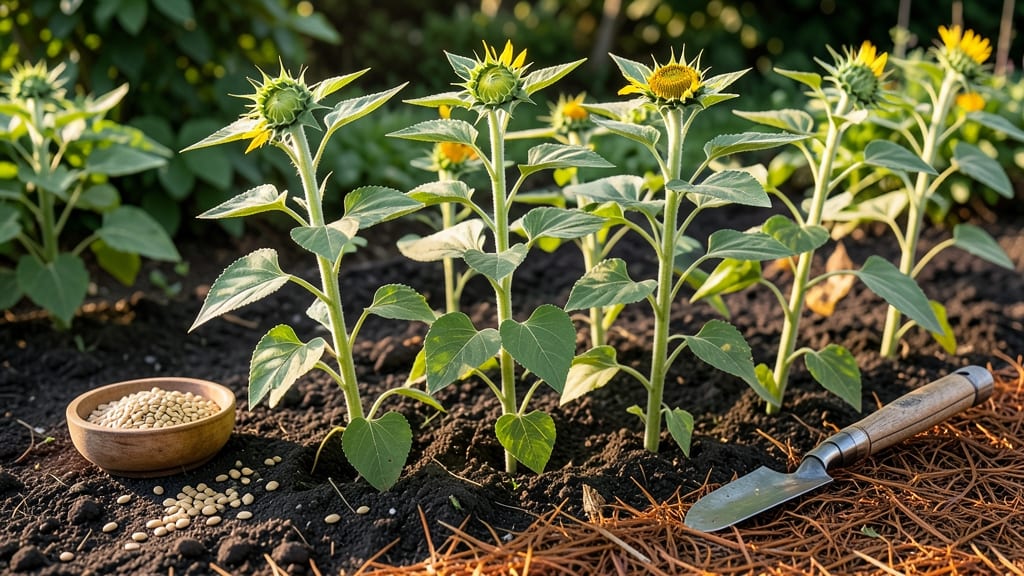
Plant sunflowers in Texas between February and April for doves, aligning with their migration peak and your hardiness zone’s frost dates.
Sunflowers aren’t just beautiful—they’re a dove hunter’s secret weapon, providing high-energy seeds that attract game birds reliably. But timing your Texas planting wrong could mean missed opportunities or poor yields.
North Texas gardeners should start seeds indoors by February 15 and transplant after the last frost, while South Texas can direct-sow as early as January 1. Late-summer replanting in August-September ensures fall blooms for migrating doves.
Below, I break down the best months by zone, top dove-friendly varieties, and pro tips to maximize seed production—so you’re ready when those doves arrive.
Texas hardiness zones & optimal sunflower planting months for doves
Texas spans USDA hardiness zones 6A through 9B, creating dramatic differences in frost timing and growing seasons. For dove hunters, planting sunflowers at the right time means high-energy seeds when migratory doves arrive in March-May and again for fall flocks.
In colder zones like 6A-7B, early planting avoids frost damage, while 8A-9B gardeners can extend harvests into late fall.
Doves prefer mature sunflower seeds—so timing your planting to align with their migration patterns is key. Most Texas doves pass through during spring (March-May), with a secondary wave in fall (September-November).
Planting two batches—early spring and late summer—ensures a continuous food source for these game birds.
Soil temperature matters too: sunflowers need soil at 55°F+ to germinate. In North Texas (6A-7B), wait until mid-April to avoid frost, while South Texas (8A-9B) can start as early as February. Use a soil thermometer to confirm readiness—cold soil delays germination and reduces yields.
Here’s your zone-by-zone planting guide, including frost dates, ideal months, and dove migration alignment:
For North Texas (6A-7B), focus on early-maturing varieties like Autumn Beauty or Russian Giant to ensure seeds ripen before fall frosts. These zones see first frost by December 1, so aim for harvest by October to avoid seed loss.
Plant 1–1.5 inches deep and space seeds 6–12 inches apart for optimal dove appeal.
In Central Texas (8A), you’ve got flexibility: plant once in spring for summer seeds and again in late summer for fall doves. Varieties like Mammoth produce large seed heads that doves adore, but watch for bird damage—use deer netting if squirrels or jays raid your crop early.
South Texas (9A-9B) gardeners can push the envelope: plant as early as February for summer blooms or June-July for fall harvests. The longer growing season lets you experiment with taller varieties like ProCut, which produces continuous seed heads perfect for dove buffets.
Don’t forget late-summer replanting—this is your fall dove secret weapon. By planting in August (North) or July (South), you’ll have ripe seeds by October-November, just as migratory doves arrive. Use dwarf varieties like Teddy Bear in small spaces to maximize seed production without sacrificing garden real estate.
To maximize dove visits, space plants 18–24 inches apart for easy access and avoid pesticides—doves are sensitive to chemical residues. A sunflower patch near water (like a small pond or birdbath) will see even more traffic.
Monitor seed maturity by checking for yellow-brown backs and rattling seed heads—these are dove magnets.
🌻 Final Tip: Keep a planting journal to track which varieties and months yield the most seeds. Over time, you’ll fine-tune your schedule to match dove migration patterns and local microclimates—leading to bigger harvests and better hunts!
Sunflower varieties that attract doves (and when to choose them)
Choosing the right sunflower varieties for doves means prioritizing large seed heads and high-yield production. Doves love Mammoth sunflowers because their seeds are plentiful and easy to access, while Russian Giant varieties offer extra heat tolerance for Texas summers.
For early dove seasons, opt for fast-maturing types like Teddy Bear—these bloom in just 60 days and provide seeds when doves first arrive in spring.
If you’re planting for fall dove migrations, late-season varieties like Autumn Beauty shine. These thrive when sown in August-September and produce seeds just as doves return south. The key is matching your planting timing to dove migration patterns—spring for early arrivals, fall for late-season visitors.
Here’s how these top dove-friendly varieties rank for Texas heat tolerance, seed size, and yield potential:
For North Texas gardeners (Zones 7-8), prioritize early-maturing varieties like Mammoth or Teddy Bear. Plant seeds 2-3 weeks after your last frost date (typically mid-February to early March) to ensure seeds ripen before summer heat peaks.
In South Texas (Zones 9-10), where winters are milder, you can extend planting into late winter (January-February) or even late summer (August) for fall blooms.
Pro tip: Mix tall varieties (Mammoth) with medium-height types (Teddy Bear) to create a layered seed buffet. Doves prefer easy access, so avoid overcrowding—space plants 18-24 inches apart for optimal seed production. A diverse mix also extends your dove-attracting window from spring through fall.
Always harvest seeds when the flower head turns yellow-brown and the seeds rattle inside. Leave some heads unharvested for doves to enjoy, but remove any moldy or damaged seeds to keep your garden healthy.
With the right varieties and timing, your sunflowers will become a dove magnet all season long! 🌻