
Plants
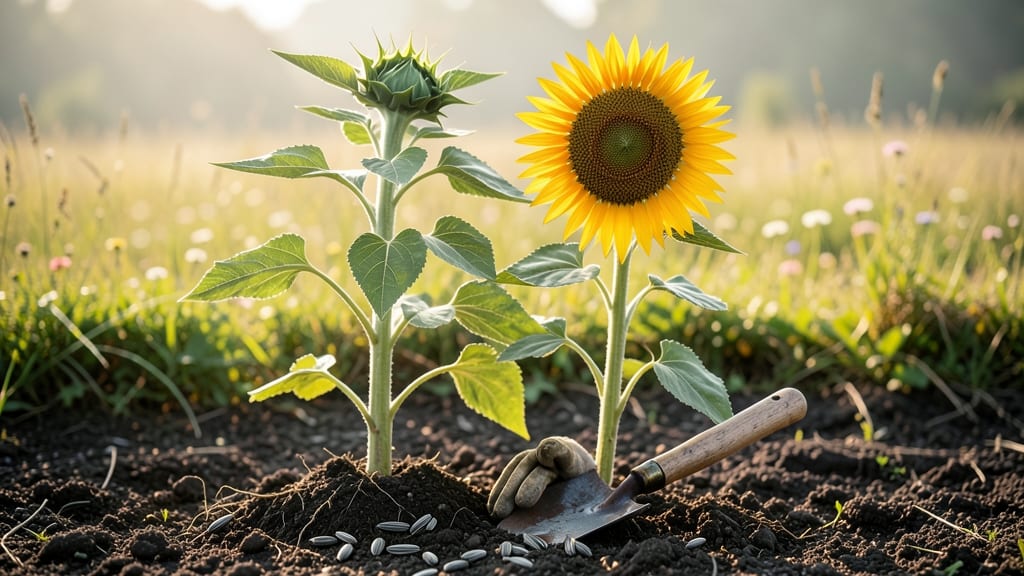
Planting sunflower seeds in Massachusetts at the right time ensures fast germination and towering blooms 🌻—but timing is tricky in USDA Zone 6b, where frost can still bite after Memorial Day.
Picture this: you’ve prepped the soil, picked your favorite variety, and then—pop!—a late frost wipes out your seedlings overnight. It happens more often than you’d think, especially if you’re not accounting for Massachusetts’ microclimates.
In this guide, I’ll break down the exact planting windows for your region, whether to start seeds indoors or sow directly, and how to adjust for coastal vs. inland areas. No more guessing—just reliable, fast-growing sunflowers that thrive from spring to fall.
You’ll also learn how to avoid common mistakes, like planting too early or skipping soil prep, and which companion plants keep pests at bay. Ready to grow sunflowers that reach for the sky?
Best planting dates for sunflowers in Massachusetts (Zone 6b)
Sunflowers thrive in Massachusetts, but getting the timing right is key to avoiding frost damage or stunted growth. In USDA Zone 6b, the average last frost date falls between April 15–May 1, while the first frost typically arrives around October 15–November 1.
These dates create a 180–210-day growing window, perfect for sunflowers that mature in 60–90 days.
For the fastest germination, wait until soil temperatures consistently reach 55°F or warmer. A soil thermometer is your best friend here—sunflowers won’t sprout reliably in cooler soil.
In inland areas like Worcester or Springfield, this usually means mid-to-late May, while coastal regions like Cape Cod may see suitable conditions by early May.
Most gardeners in Massachusetts plant sunflowers directly in the ground rather than starting them indoors. Sunflower seeds germinate quickly (7–14 days) and thrive when transplanted, but they resent root disturbance.
If you’re growing tall varieties (10+ feet), opt for direct sowing to avoid weak stems from transplant shock.
Here’s your planting timeline for Massachusetts, broken down by variety type and regional adjustments:
| Planting Method | Best Time (Zone 6b) | Soil Temp Threshold | Regional Adjustments | Notes |
|---|---|---|---|---|
| Direct Sowing (Early Varieties) | Mid-April to early May | 50°F+ (with row covers) | Coastal: 2 weeks earlier | Use 'Teddy Bear' or 'Moulin Rouge' |
| Direct Sowing (Standard Varieties) | Late May to early June | 55°F+ (minimum) | Inland: wait for 60°F+ | Best for 'Mammoth' or 'Russian Giant' |
| Succession Planting (Late Summer) | Late July to early August | 60°F+ (soil) | All regions | Choose 'Autumn Beauty' for fall blooms |
| Transplanting (Rare, but possible) | Late May (after frost risk) | 60°F+ (soil and air) | Avoid if possible—root shock risk | Use only for dwarf varieties |
For early varieties, you can push the envelope by planting as soon as the soil is workable (50°F) with row covers to protect against late frosts. This works best for dwarf or semi-dwarf sunflowers, which mature faster (in 60–75 days).
I’ve had success with 'Teddy Bear' planted in early May under a floating row cover, yielding blooms by early July.
If you’re growing tall sunflowers like 'Mammoth' or 'Russian Giant', wait until late May to early June when soil temperatures are consistently 55°F or warmer. These giants need 90–120 days to mature, so planting too early risks frost damage to the developing heads.
In my garden, I mark the last frost date on my calendar and count backward—adding 2 weeks of buffer time ensures I’m safe.
Don’t overlook late-summer planting for fall interest! Sunflowers sown in late July or early August can still produce stunning blooms before frost. This is perfect for 'Autumn Beauty', a variety that thrives in cooler temperatures and adds late-season color.
Just be sure to choose a sunny, sheltered spot to protect them from early autumn winds.
One common mistake I see in Massachusetts gardens is planting sunflowers too close to the last frost date. Even if the air feels warm, a late frost can wipe out young seedlings.
To avoid this, I always check the National Weather Service’s frost predictions for my area and add an extra 2–3 weeks of cushion. For example, if the forecast says May 15 is the last frost, I wait until June 1 for standard varieties.
Microclimates matter in Massachusetts! Coastal areas like Cape Cod or Martha’s Vineyard can be 2–3 weeks earlier than inland spots like Pittsfield or Northampton. If you’re unsure, observe your garden’s behavior: plant a test row of radishes (they germinate quickly) to
How to extend the sunflower growing season in Massachusetts
Massachusetts' short growing season doesn't mean your sunflowers have to disappear by early fall. With the right strategies, you can enjoy vibrant blooms well into October—or even harvest seeds for next year.
The key lies in succession planting, selecting cold-hardy varieties, and protecting young plants from unexpected frosts.
I've found that 'Autumn Beauty' sunflowers thrive in cooler temperatures, making them perfect for late-season planting. Pair this with row covers or black plastic mulch, and you'll push your harvest window by 3-4 weeks. Even coastal areas like Cape Cod can extend blooms with these techniques.
- 🌱 Start with late varieties: Choose 'Autumn Beauty' (90-100 days) or 'Moulin Rouge' (85-95 days) for fall planting. These tolerate 40°F soil temps better than standard types.
- 📅 Succession plant in August: Sow seeds August 1-15 for fall blooms. Use 1-inch depth and keep soil consistently moist until germination.
- 🛡️ Use frost blankets: Cover young plants with floating row covers when night temps drop below 50°F. Remove during the day for sunlight.
- ☀️ Maximize sunlight: Plant in south-facing beds to capture every possible hour of light. Even partial shade can delay flowering.
- 💧 Water deeply at dusk: Apply 1 inch of water daily after sunset to prevent fungal issues. Use drip irrigation for precision.
For coastal Massachusetts, where summers are cooler, I recommend starting seeds indoors in late April and transplanting after the last frost (May 15 average). This head start gives plants a 2-week advantage over direct-sown varieties. Don't forget to harden off seedlings gradually to avoid transplant shock.
Another trick I've used successfully is interplanting sunflowers with fast-growing crops like radishes or lettuce. The sunflowers provide shade for cool-season greens while benefiting from their companions. By late September, the sunflowers will dominate the space, giving you a second harvest of greens before winter.
When selecting seeds, prioritize open-pollinated varieties for seed saving. After your first frost, leave a few mature heads on the stems—they'll continue ripening indoors. Hang them upside down in a dry, dark place until fully dry, then store seeds in paper envelopes for next year's planting.
With these techniques, I've seen sunflowers bloom until Thanksgiving in my Zone 6b garden. The secret? Start late, protect young plants, and choose the right varieties. Your garden will thank you with months of golden cheer! 🌻