
Plants
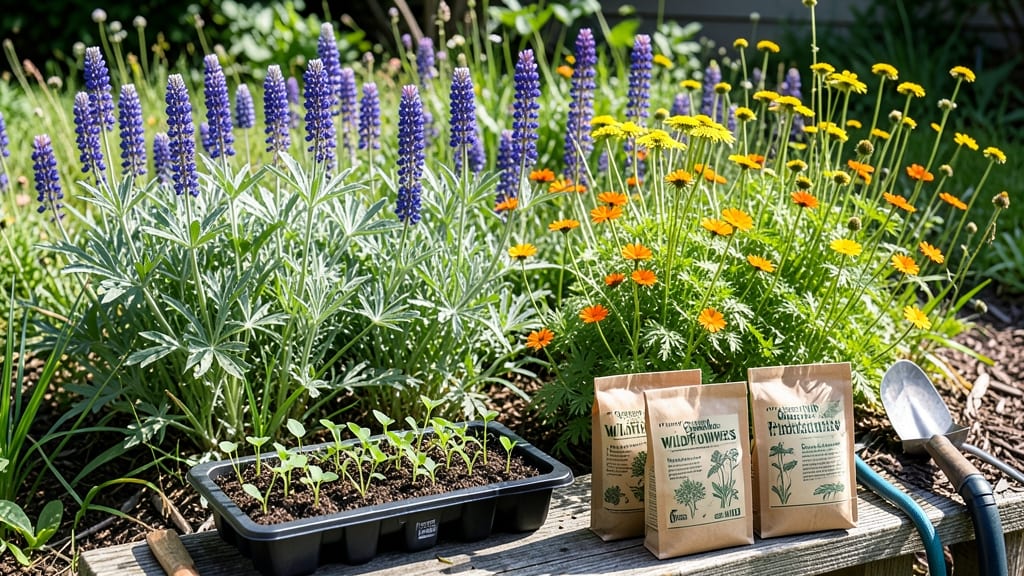
Planting wildflower seeds in Oregon at the right time ensures vibrant blooms from spring to fall 🌼 — aim for late winter to early spring or late summer to early fall, depending on your microclimate.
Timing your wildflower planting in Oregon can mean the difference between a vibrant meadow and a season of disappointment—get it wrong, and frost or drought will steal your blooms before they even sprout.
Oregon’s diverse climate zones, from the Willamette Valley to the High Desert, mean frost-free dates vary widely. In USDA zones 7b-9a, you’ll need to adjust your schedule by weeks, even between neighboring towns.
Below, I’ll break down the best planting windows for native wildflowers like lupine and blanket flower, soil prep secrets, and how to stretch your season with cold stratification—so you can enjoy months of color instead of a missed opportunity.
Oregon’s frost-free planting zones: when to plant wildflower seeds by region
Oregon’s diverse climate means wildflower planting windows vary dramatically from the Willamette Valley to the High Desert. Timing your seeds right ensures strong germination before summer heat or winter frost arrives. In USDA zones 6-9, I’ve planted wildflowers in spring and fall—but the frost-free dates dictate success.
For example, Portland’s last frost typically arrives by March 15, while Bend’s High Desert sees its last frost two weeks earlier. Coastal areas like Astoria have milder winters, allowing earlier sowing.
Understanding these microclimates helps you avoid planting too early (risking frost damage) or too late (missing the optimal germination window).
Spring planting (February–April) is ideal for most Oregon wildflowers, but fall sowing (August–September) works in warmer zones. Native species like Oregon Sunshine and Lupine thrive when seeds germinate in cool, moist soil. Let’s break down the best planting windows by region to maximize your meadow’s potential.
In the Willamette Valley, where I’ve planted Blanket Flower and Yarrow, the spring window runs from mid-February to mid-April. This gives seeds time to germinate before summer’s heat sets in.
The fall window (August–September) is shorter but ideal for drought-resistant varieties like Lupine, which benefit from cool soil.
The Coast Range has a cooler microclimate, so I start sowing as early as February 1. Coastal areas like Astoria rarely see frost after March 15, making it safer to plant native wildflowers like Oregon Sunshine earlier.
However, poor drainage can be an issue—always amend soil with compost to improve aeration.
For High Desert regions like Bend, the last frost arrives earlier (March 1–15), but the dry climate demands extra care.
I’ve found that watering deeply after planting (even in fall) helps seeds establish before winter. Fall planting here should wrap up by September 20 to avoid early frost.
The Cascade Foothills present a challenge due to variable frost dates. I recommend checking local frost alerts and planting native species like Sagebrush in late March to avoid late frosts. Fall sowing here is riskier—stick to August–early September for best results.
Regardless of region, soil temperature is critical. Wildflower seeds need soil at 50–70°F to germinate. Use a soil thermometer to confirm conditions before planting. In cooler zones, a light mulch can help retain heat and moisture for newly sown seeds.
Pro tip: Stratify seeds for
Best wildflower seed types for Oregon’s climate and when to sow them
Oregon’s native wildflowers thrive with the right timing and conditions, offering months of vibrant blooms while requiring minimal care. Lupine, yarrow, and blanket flower are top choices for their drought resistance and ability to attract pollinators.
These species also adapt well to Oregon’s USDA zones 7b-9a, making them ideal for both coastal and inland gardens.
For best results, focus on planting during two key windows: late winter to early spring (February–April) and late summer to early fall (August–September).
This timing ensures seeds germinate before summer heat or winter frost arrives. Spring planting gives flowers time to establish roots before Oregon’s dry summers, while fall planting allows seeds to stratify naturally over winter.
Native Oregon wildflowers like Oregon sunshine and blue-eyed grass are perfect for low-maintenance gardens. They tolerate poor soil and drought once established, making them ideal for xeriscaping or wildflower meadows. Prioritize these species if you’re aiming for a self-sustaining ecosystem that supports local wildlife.
If you’re planting in cooler microclimates, like the Willamette Valley, start seeds indoors in January for an earlier bloom. For high-desert regions, wait until April to avoid premature germination during unpredictable spring rains.
Always prepare your soil by removing weeds and loosening the top 2 inches to improve seed-to-soil contact.
For fall planting, focus on species like yarrow and blanket flower, which germinate well in cooler temperatures. Scatter seeds lightly over prepared soil and press them into the ground—no burial needed.
A light mulch of straw can help retain moisture and protect seeds from winter winds while allowing natural stratification.
Once established, most Oregon wildflowers require minimal watering—just enough to keep soil moist during germination. After the first year, they’ll thrive on rainfall alone, making them perfect for low-water landscapes. Mulch around mature plants to suppress weeds and retain soil moisture, especially during Oregon’s dry summers.