
Companion Plants
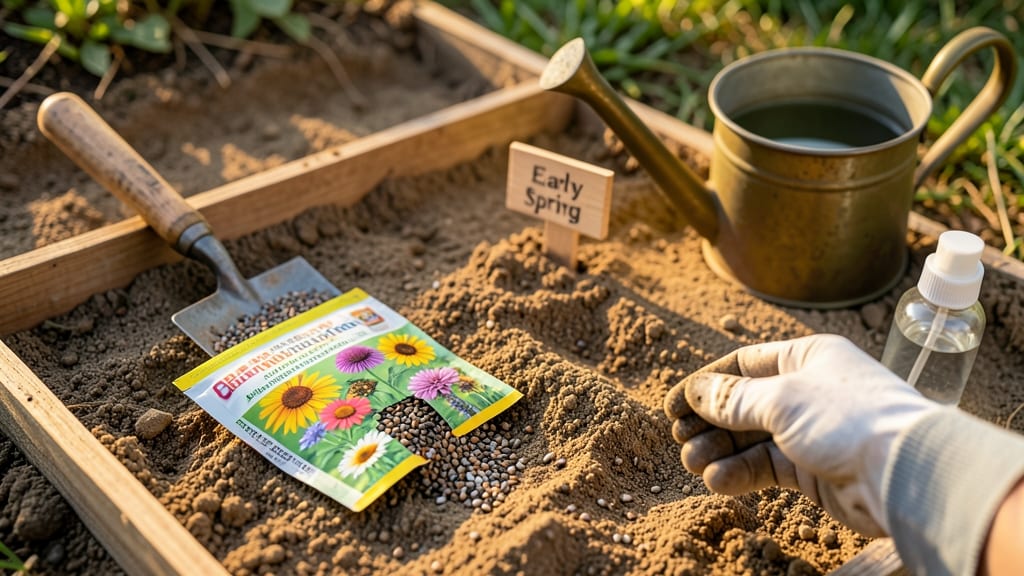
Planting wildflower seeds in Pennsylvania at the right time ensures fast, vibrant blooms that last all season — and the best windows are late summer to early fall or early spring.
Pennsylvania’s diverse microclimates—from the humid Appalachians to the cooler Great Lakes regions—can make planting wildflower seeds feel like a guessing game. But timing is everything: plant too early, and frost will kill your blooms; too late, and you’ll miss the growing season entirely.
Whether you’re sowing native prairie mixes in the south or woodland varieties in the Poconos, the key is aligning your schedule with soil temperatures and frost-free deadlines. Below, I break down the exact months for fast germination and year-round color, plus how to prep seeds for PA’s unpredictable springs.
You’ll also discover how to adjust for high-altitude areas, choose the right seed mixes for your zone, and use simple tricks like light raking to boost success—no green thumb required.
Best planting months for Pennsylvania wildflowers by region (with frost-free deadlines)
Pennsylvania’s five distinct microclimates create unique challenges for wildflower gardeners. The Southeastern region’s humidity contrasts sharply with the Northwestern zone’s cooler, shorter seasons. Even within these zones, elevation changes—like the Poconos mountains—can shift your planting window by weeks.
Understanding these last-frost dates and soil temperature requirements ensures your wildflowers thrive from the first bloom.
Most Pennsylvania gardeners achieve the best results by planting wildflower seeds in late summer or early fall, allowing roots to establish before winter. However, spring planting works for annual varieties like cosmos and zinnias, while perennials such as black-eyed Susans benefit from fall’s cooler temperatures.
Below, I’ve broken down the ideal planting windows for each of PA’s five regions, including frost-free deadlines and soil temperature thresholds for germination.
⚠️ Key Rule: Never plant when soil temperatures drop below 40°F—this stalls germination. Use a soil thermometer to check depths of 1-2 inches before sowing.
| Region | Last Frost Date | Ideal Planting Window | Soil Temp for Germination | Notes |
|---|---|---|---|---|
| Southeastern (Zones 6b-7a) | April 1-15 | Late August–September 15 | 50-60°F | Humid climate; prioritize drought-tolerant mixes like coreopsis. |
| Southwestern (Zones 6a-6b) | March 25-April 5 | September 1-October 1 | 45-55°F | Dry conditions; native prairie mixes thrive here. |
| Central (Zones 5b-6a) | April 10-25 | Late August–September 30 | 40-50°F | Moderate climate; spring-blooming perennials like phlox work well. |
| Northeastern (Zones 5a-5b) | May 1-15 | September 15-October 15 | 40-45°F | Cooler, shorter season; hardy perennials like coneflower excel. |
| Northwestern (Zones 5a-5b) | May 10-25 | Late September–October 10 | 38-45°F | Windier; use mulch to retain moisture. |
| Poconos (High Altitude) | June 1-15 | Late August–September 15 | 35-45°F | Plant shorter-season varieties like alpine
How to choose wildflower seed mixes for Pennsylvania’s climate zones (and when to sow them)Pennsylvania’s USDA zones 5a–7a create unique challenges for wildflower gardeners. Some mixes thrive in the humid southeastern zones, while others need the dry heat of southwestern PA. Choosing the right blend—and planting at the perfect time—can mean the difference between a lush meadow and a failed experiment. Native prairie mixes, like black-eyed Susan and coneflower, love full sun and are best sown in late summer or early fall. Woodland mixes, such as trillium and wild ginger, prefer spring planting and partial shade. Drought-tolerant varieties for southwestern PA need careful timing to beat the summer heat.
⚖️ Fall vs. Spring Planting: Pros & Cons🌱 Fall Planting
🌿 Spring Planting
For prairie mixes, fall planting is ideal because seeds need stratification—a cold period to break dormancy. Place seeds in a moist paper towel in the fridge for 4–6 weeks if sowing in spring. Woodland mixes often skip stratification and can be sown directly in early spring after the last frost. Southwestern PA’s drought-tolerant mixes (like purple prairie clover) should be planted in late summer to establish roots before winter. These mixes need well-draining soil and minimal watering once established. Avoid planting in low-lying areas where water pools. Always check the seed packet for specific instructions—some mixes require scarification (scratching seed coats) or light exposure before planting. For high-altitude zones (like the Poconos), delay planting until after May 15 to avoid late frosts. My favorite native mix for PA is a blend of butterfly weed, goldenrod, and partridge pea. Plant it in full sun in September for a summer-blooming spectacle that attracts pollinators. For shade gardens, try wild columbine and bloodroot in early spring. Timing isn’t just about the calendar—it’s about soil temperature. Use a soil thermometer to ensure seeds hit 60–70°F for germination. In northern PA, wait until soil warms to 55°F for spring plantings. Patience pays off—wildflowers often take 2–3 years to reach full bloom but reward you with decades of color. |