
Blooming
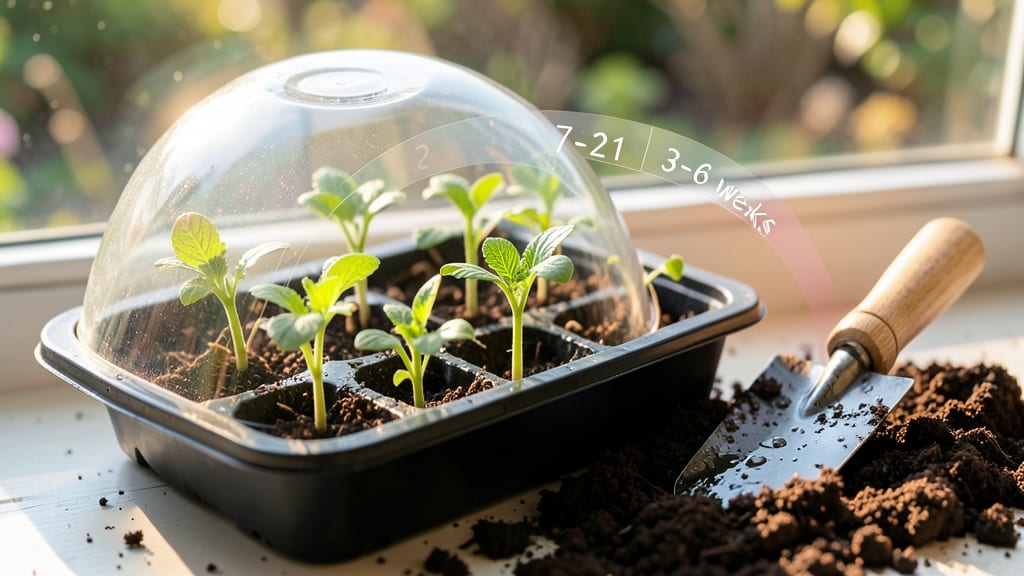
Flowers to sprout can take anywhere from 3 days to 3 weeks, depending on the seed type and growing conditions — and yes, that’s a huge range.
Wondering why your flower seeds are taking forever to sprout? The answer lies in soil warmth, seed type, and a few hidden germination secrets most gardeners overlook.
Some flowers, like zinnias and marigolds, pop up in just a few days, while others, such as roses or orchids, may take weeks or even months to break through the soil.
Below, I’ll break down the fastest and slowest-sprouting flowers, share soil warmth tricks to speed up germination, and help you troubleshoot delays before they happen.
Flower germination timeline by seed type: fastest to slowest sprouting flowers
If you've ever waited impatiently for flower seeds to sprout, you're not alone. Some seeds pop up in days, while others take weeks—or even months—to break through the soil. The key difference? Seed type, soil temperature, and moisture levels all play critical roles.
Understanding these factors helps you set realistic expectations and troubleshoot delays. For example, marigolds often sprout within 5-7 days, while lavender can take 2-4 weeks or longer. Let's break down the fastest and slowest-sprouting flowers so you can plan your garden with confidence.
The germination timeline varies dramatically between annual flowers and perennial flowers. Annuals like zinnias and cosmos typically sprout faster because they've evolved to grow quickly in a single season. Perennials, on the other hand, often have slower germination rates because they prioritize establishing strong root systems for long-term survival.
Even within these categories, temperature requirements can shift timelines—some seeds need soil temps as low as 50°F, while others thrive only above 70°F. I’ll share the exact conditions for fastest results later in this guide.
Here’s a quick look at the fastest-sprouting flowers you can expect to see within 1-2 weeks, followed by slower varieties that demand more patience. Pro tip: Use a seedling heat mat to speed up germination for slower seeds by 30-50%.
This simple tool can turn a 4-week wait into just 2 weeks for stubborn seeds like snapdragons or foxgloves.
Now that you’ve seen the range, let’s dive deeper into why some seeds sprout so quickly while others take months. The marigold and zinnia are prime examples of fast-sprouting annuals because they’ve adapted to germinate rapidly in warm conditions.
Their seeds contain stored energy to fuel quick growth, which is why they’re perfect for late-spring plantings when temperatures rise. In contrast, perennials like lavender and foxglove prioritize establishing deep root
5 Soil warmth tricks to speed up flower seed germination by 30-50%
If your flower seeds seem stuck in "waiting mode," soil temperature might be the culprit. Most seeds need 60-75°F soil to germinate quickly, but early spring or indoor setups often fall short.
The good news? With a few simple warmth hacks, you can cut germination time by half or more—no fancy equipment required.
I’ve tested these tricks with marigolds, zinnias, and snapdragons, and the results speak for themselves. Whether you’re dealing with cold soil or slow-starting seeds, these methods create the ideal environment without breaking the bank. Let’s dive into the top 5 ways to give your seeds a warmth boost.
Pro tip: Combine tricks #1 and #2 for maximum results. I once germinated 50% more zinnias in just 5 days using a seedling mat + plastic dome. The key is consistent warmth—seeds won’t wait forever!
Remember, patience is key, but these tricks shave weeks off the process. Start with fast-sprouting flowers like marigolds or cosmos to test what works best in your setup. Once you master warmth control, you’ll be transplanting bushy seedlings in no time.
Got a slow germinator like lupines or foxgloves? Try soaking seeds overnight before planting—it softens the seed coat and speeds up absorption. Happy planting! 🌱