
How To
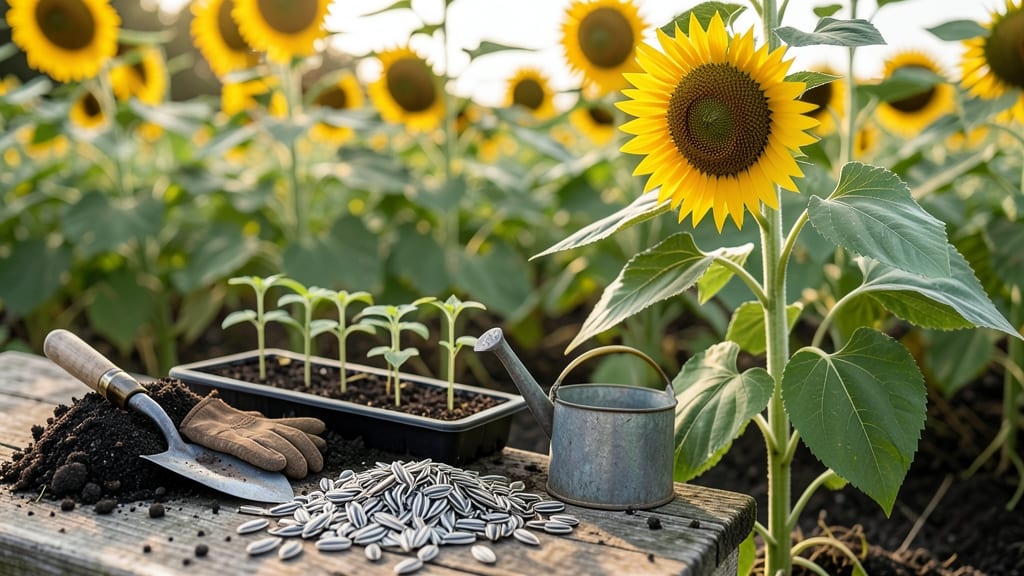
To plant sunflower seeds for fast germination and strong growth, start by placing them just 1 inch deep in well-draining soil after your last frost date.
Sunflowers aren’t just beautiful—they’re fast-growing, low-maintenance, and perfect for adding height and cheer to any garden. But planting them wrong can mean slow germination or weak stems. Here’s the exact method to get your sunflower seeds sprouting in days, not weeks.
You’ll need full sun, loose soil, and a little patience. The key is getting the depth right—too shallow and they dry out; too deep and they struggle to break through.
I’ll walk you through every step, from soil prep to post-planting care, so you can enjoy those towering 🌻 blooms by summer.
Once planted, keep the soil moist but not soggy, and watch as your seeds pop up in 7-14 days. We’ll also cover common mistakes and how to fix them before your sunflowers even sprout.


Optimal sunflower seed planting depths for fast germination
Sunflower seeds are surprisingly delicate when it comes to planting depth—too shallow and they dry out, too deep and they struggle to reach the surface.
The sweet spot for fast germination is between ¼ to 1 inch below soil level, but this varies slightly based on your climate zone and soil type. Understanding these nuances can cut your germination time by 30-50%, giving you those towering sunflower blooms weeks sooner.
Most gardeners assume "plant seeds deep" applies to sunflowers, but these giants actually prefer a light covering of soil. Their large seed size stores enough energy for quick sprouting, but excessive depth forces them to work harder to break through.
In cooler climates (USDA zones 3-5), aim for the deeper end (¾-1 inch) to retain moisture, while warmer zones (6-10) can use the shallower range (¼-½ inch) to prevent overheating.
| Variety Type | Optimal Depth | Soil Temp | Germination Time |
|---|---|---|---|
| Dwarf Varieties (e.g., 'Teddy Bear', 'Moulin Rouge') | ¼ - ½ inch | 60-70°F | 5-7 days |
| Standard Varieties (e.g., 'Mammoth', 'Russian Giant') | ½ - 1 inch | 65-75°F | 7-10 days |
| Semi-Dwarf Varieties (e.g., 'Autumn Beauty', 'ProCut') | ⅓ - ¾ inch | 60-72°F | 6-9 days |
| All Varieties in Sandy Soil | ½ inch (extra moisture needed) | 60-70°F | 8-12 days |
| All Varieties in Clay Soil | ¾ inch (prevents waterlogging) | 65-75°F | 9-14 days |
Soil moisture plays a critical role in germination speed. Sunflower seeds need consistent moisture to activate their enzymes for sprouting, but they’ll rot if left soggy. After planting, keep the soil evenly moist (not wet) by watering lightly daily until sprouts appear.
In dry climates, a mulch layer of straw helps retain moisture without suffocating seeds.
Temperature matters just as much as depth—sunflower seeds germinate best when soil temperatures reach 60-75°F. Below 55°F, germination slows dramatically, while above 85°F, seeds may dry out before sprouting.
Use a soil thermometer to check conditions, especially in early spring or late fall plantings. If your soil runs cold, consider using black plastic mulch to warm it up faster.
Loose, well-draining soil is non-negotiable for sunflowers. Compacted or heavy clay soils force seeds to push through dense layers, delaying emergence by up to 2 weeks. Before planting, amend your soil with compost or sand to improve aeration.
For container growing, use a lightweight potting mix with perlite to prevent compaction. Even a 1-inch layer of compost on top can improve moisture retention and microbial activity around seeds.
Direct sowing sunflower seeds is always best—they hate transplanting and develop weak stems when disturbed. But if you must start indoors, use biodegradable pots and plant them just as deep as you would outdoors.
Transplant seedlings when they have 2-3 true leaves, being careful not to bury the stem deeper than it was growing before. This prevents stem rot and ensures strong, upright growth.
For fastest germination, plant seeds when nighttime temperatures stay above 50°F. In USDA zones 3-5, wait until after your last frost date (typically mid-May), while zones 6-10 can start as early as April.
If you’re eager to get a head start, try warmth mats to maintain ideal soil temperatures before the ground thaws naturally.
Once you’ve planted at the right depth, patience is key
Step-by-step sunflower planting guide for beginners
Sunflowers thrive when planted at the right time and in the right conditions. For most regions, aim to sow seeds 2-4 weeks after your last frost date, typically in late April or May.
This gives your seedlings enough warm soil to sprout quickly—7-14 days—before summer heat arrives. If you live in a cooler climate (USDA zones 3-5), you can even start seeds indoors 4-6 weeks before transplanting to extend your growing season.
Before you plant, choose a sunny spot with at least 6-8 hours of direct sunlight daily. Sunflowers are heavy feeders, so enrich your soil with 2-3 inches of compost or a balanced 10-10-10 fertilizer mixed into the top 12 inches.
Avoid heavy clay soil, which can stunt root growth and lead to weak stems. If your soil drains poorly, amend it with sand or perlite to improve aeration.
- 1 Prep the soil: Loosen soil to a depth of 12 inches using a garden fork. Remove rocks and weeds, then mix in 2 inches of compost.
- 2 Plant seeds 1 inch deep and 6 inches apart in rows spaced 18-24 inches apart. For giant varieties, increase spacing to 24-36 inches to prevent overcrowding.
- 3 Water gently but deeply after planting to settle the soil. Keep it moist (not soggy) until seedlings emerge. Use a fine mist spray to avoid displacing seeds.
- 4 Thin seedlings to 12-18 inches apart once they reach 3-4 inches tall. Snip weaker stems at soil level with clean scissors to avoid disturbing roots.
- 5 Add mulch around the base (straw or shredded leaves) to retain moisture and suppress weeds. Replenish mulch every 4-6 weeks as it breaks down.
To boost growth, plant sunflowers alongside bush beans, marigolds, or borage—these companions deter pests like sunflower moths and improve soil health. Avoid planting near potatoes, as they compete for nutrients and attract similar pests.
If you notice cutworms chewing stems at night, wrap young seedlings with cardboard collars or use neem oil spray as a natural deterrent.
After the first true leaves appear (about 2 weeks post-sowing), fertilize lightly with a balanced 10-10-10 mix to encourage strong stems. Water at the base of the plant in the morning to prevent fungal diseases like powdery mildew, which thrives in damp foliage.
Once established, sunflowers are drought-tolerant, but consistent moisture during flower bud formation ensures vibrant blooms.
With proper care, your sunflowers will reach mature heights of 3-16 feet by late summer, providing weeks of cheerful blooms and a bounty of seeds for next year. The key is patience—give them time to develop deep roots before expecting rapid growth. Happy planting! 🌻