
Flowers
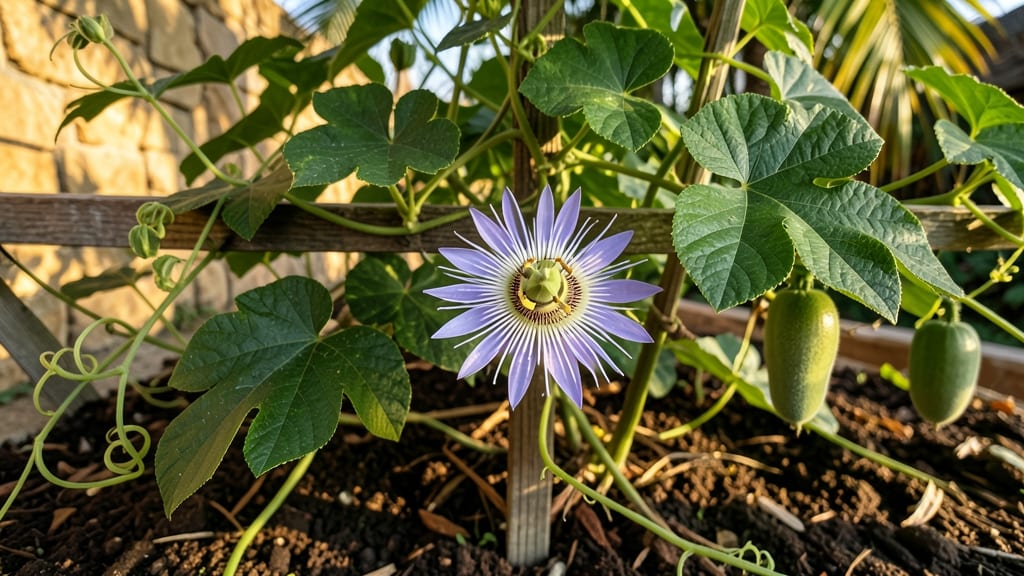
Turning passionfruit flowers into fruit is all about understanding the pollination process—because without it, those blooms won’t last beyond a week.
Picture this: you’ve got a vine heavy with 🍈 passionfruit flowers, but none of them set fruit. Frustrating, right? The secret lies in how you help (or don’t help) the pollination game, whether by hand or by luring in the right winged helpers.
In this guide, I’ll walk you through the exact steps to boost your fruit set—from identifying the right flowers to hand-pollination tricks that work even in areas where bees are scarce.
You’ll also learn how to troubleshoot common issues like dropped blooms and how to keep your vine thriving from flower to harvest in just 8 weeks.
How passionfruit flowers turn into fruit: the science of pollination
Passionfruit vines produce some of the most exotic-looking flowers in the garden, but their transformation into fruit relies on a precise pollination process. Unlike many fruits, passionfruit flowers contain both male and female reproductive parts, but they’re often too complex for wind or accidental pollinators to handle.
This is why understanding their anatomy—and how to intervene—is key to a heavy harvest.
The journey from flower to fruit involves three critical stages: pollination, fertilization, and fruit set. Each stage depends on environmental conditions, flower health, and—sometimes—your direct involvement.
In tropical climates, this process happens naturally, but in cooler regions, you’ll often need to hand-pollinate to ensure success. Let’s break down what’s happening behind the scenes.
A passionfruit flower’s anatomy is what makes it so fascinating—and sometimes tricky. The corona (the colorful, ruffled part) surrounds the reproductive organs. Inside, you’ll find five stamens (male parts) and a single pistil (female part) with a long, slender style ending in a stigma.
The stigma must receive pollen for fertilization to occur, but its position makes it hard for wind or accidental pollinators to reach.
In nature, bees and hummingbirds are the primary pollinators, but they’re often unreliable in gardens. That’s why hand-pollination becomes a game-changer. By transferring pollen yourself, you mimic the natural process and ensure every bloom has a chance to develop into fruit.
This method is especially critical in cooler climates or during periods when pollinators are scarce.
Not all passionfruit flowers are created equal when it comes to fruiting potential. Look for fully opened blooms with vibrant colors—these are the best candidates. Flowers that remain closed or wilted may indicate stress from overwatering, nutrient deficiencies, or extreme temperatures.
Healthy flowers will also have a sticky stigma, which is ideal for pollen adhesion.
The three critical stages between bloom and fruit set require your attention. First, pollination must occur within the first 24-48 hours of the flower opening. If pollen isn’t transferred, the flower will drop. Next, fertilization takes place over the following week as the pollen tube grows down the style.
Finally, fruit set begins when the ovules develop into seeds, and the fruit starts to swell—this is when you’ll notice the flower’s base thickening.
Temperature plays a huge role in this process. Passionfruit vines thrive in 70-85°F conditions. Below 60°F, pollination slows or fails entirely, while temperatures above 90°F can cause flowers to drop before fruiting.
If you’re in a temperate climate, consider growing heat-tolerant varieties like ‘Panama Yellow’ or providing shade cloth during heatwaves.
Soil health is another often-overlooked factor. Passionfruit vines need well-draining, fertile soil with a pH between 6.0 and 7.0. Poor soil can lead to weak flowers that fail to set fruit.
Before planting, amend your soil with compost and a balanced fertilizer (like 5-10-10) to give your vine the nutrients it needs for robust growth and flowering.
If you’re hand-pollinating, timing is everything. The best time to intervene is early morning when flowers are fully open and dew is present—this makes pollen more sticky and easier to transfer.
Use a soft paintbrush or cotton swab to gently collect pollen from the stamens and apply it to the stigma. Avoid pressing too hard, as this can damage delicate flower parts.
Once pollination is successful, you’ll notice the flower’s corona wilting and the base beginning to swell. This is your cue that fruit development has started! Over the next few weeks, the fruit will grow rapidly, changing from green to its mature color.
Keep an eye out for pests like passionfruit wood borers or diseases like fusarium wilt, which can derail your harvest at this stage.
🌱
Step-by-step hand-pollination method for 100% fruit success
Hand-pollination is your secret weapon when passionfruit flowers fail to set fruit naturally. Whether you’re in a bee-scarce area or just want to guarantee results, this method works with tools you already have at home. The key? Timing—pollinate in the morning hours when flowers are fresh and receptive.
Start by selecting healthy passionfruit flowers with fully open petals and visible reproductive parts. Avoid flowers that look wilted or damaged, as they won’t produce fruit. Use a cotton swab, paintbrush, or even your fingertip—just be gentle to avoid crushing delicate structures.
How to Hand-Pollinate Passionfruit Flowers
- 1 Identify male and female flowers: Male flowers have 5 petals and 5 stamens; female flowers have a small bulb at the base (the ovary). Focus on female flowers for fruiting.
- 2 Gather your tools: Use a cotton swab, paintbrush, or clean fingertip. Sterilize tools with rubbing alcohol if reusing.
- 3 Collect pollen: Gently brush the stamens of a male flower (the yellow powdery parts) onto your tool. Avoid touching other surfaces to prevent contamination.
- 4 Transfer pollen: Dip your tool into the female flower’s stigma (the sticky tip at the base). Rotate the tool gently to ensure full coverage.
- 5 Repeat daily: Pollinate 3-5 female flowers per vine every morning for 3 consecutive days to maximize fruit set. Track progress by marking pollinated flowers with a toothpick.
- 6 Monitor for fruit set: In 7-14 days, check for tiny fruit bumps at the flower base. If no fruit forms, repollinate or check for environmental stressors like heat or drought.
For tropical climates, pollinate during the vine’s peak flowering season (spring to early summer). In temperate zones, time pollination with the first flush of blooms in late spring, as cooler weather can slow fruit development. Track your progress by labeling pollinated flowers with a small flag or marker.
Pro tip: If you’re growing passionfruit indoors, supplement with a small fan near the flowers to mimic wind pollination. This can boost success rates by up to 40% in controlled environments.
Consistency is key—stick to your pollination schedule, and you’ll see fruit forming in as little as 8 weeks.
Once you’ve mastered hand-pollination, your passionfruit vine will reward you with a bountiful harvest of sweet, juicy fruit. Just remember: patience and precision pay off in the garden! 🍈