Flowers
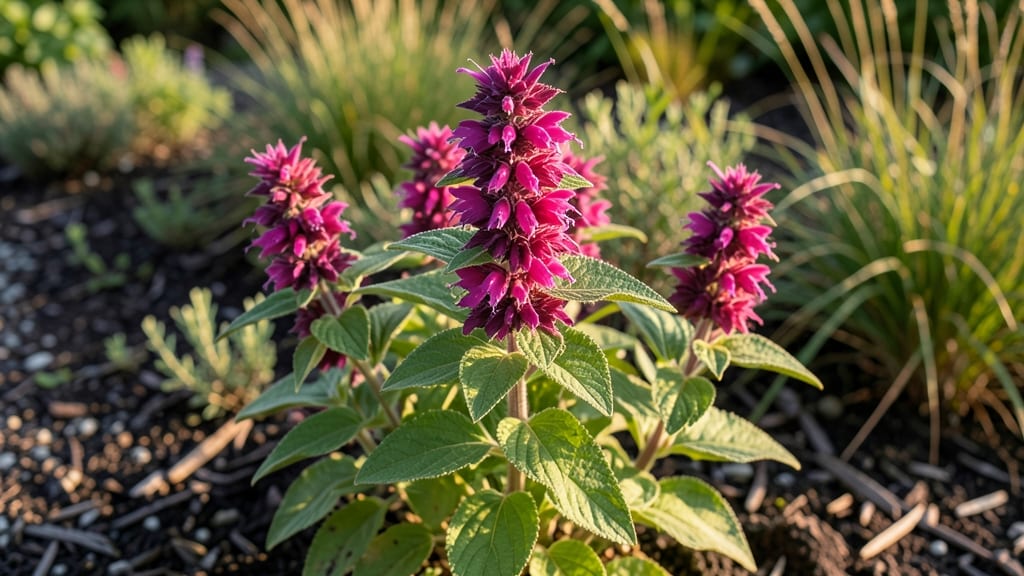
Hummingbirds love these perennial flowers they like, which bloom reliably year after year 🦋 — the right choices turn your garden into a nonstop buffet for these tiny, high-energy visitors.
Want hummingbirds to become your garden’s most loyal visitors? Planting the right perennial flowers can turn your yard into a year-round hummingbird haven—without the annual replanting hassle. These plants don’t just feed them; they create a vibrant, thriving ecosystem that keeps them coming back.
In USDA Zone 6, where early springs and late falls matter, the best perennials offer long bloom seasons from June through October. Think bold reds and tubular shapes—colors and forms that trigger their feeding instincts.
The secret isn’t just picking pretty flowers; it’s designing a layout that guides them through your garden like a nature trail.
Below, I’ll share the top 12 perennials that hummingbirds adore, how to arrange them for maximum visits, and care tips to keep your garden buzzing with activity—season after season.
12 Best perennial flowers that attract hummingbirds year after year
Want hummingbirds to become your garden’s most loyal visitors? Planting the right perennial flowers can turn your yard into a year-round hummingbird haven—without the annual replanting hassle. These birds are drawn to bright colors, especially red and tubular-shaped blooms, which mimic their natural nectar sources.
The key is selecting native perennials that provide continuous blooms from spring to fall, ensuring food availability throughout their migration and breeding seasons.
Science shows hummingbirds have a preference for red flowers because they reflect ultraviolet light, making them easy to spot from a distance. However, they’ll also visit pink, orange, and purple blooms—just avoid yellow and white, which are less appealing.
Below, I’ve curated a list of 12 top perennial flowers that attract hummingbirds, including their bloom times, USDA zones, and care requirements to keep them thriving.
Coral Honeysuckle is a top pick because its tubular red flowers are irresistible to hummingbirds. This climbing vine thrives in USDA zones 4-9 and blooms from spring to summer, providing early-season nectar. Plant it near a trellis or
How to design a hummingbird-friendly perennial garden layout
Creating a hummingbird magnet isn't just about planting flowers—it's about designing a strategic layout that guides these tiny visitors through your garden like a nature trail. The key lies in color sequencing, height layering, and pairing plants with companion species that extend their feeding opportunities.
Think of it as a buffet where every course is served at the right time and place.
Hummingbirds follow bright colors and tubular shapes instinctively, so arranging your perennials in spectacular waves of red, orange, and pink ensures they keep exploring. Start with early bloomers like bee balm in spring, transition to cardinal flower in summer, and finish with salvia in fall.
This seasonal progression keeps them lingering all year.
- 1. Color Sequencing: Plant red and orange perennials in 3-foot blocks to create visual guides.
- 2. Height Layering: Use tall plants (like Joe Pye weed) at the back, medium (e.g., columbine) in the middle, and low (e.g., penstemon) up front.
- 3. Companion Pairings: Group nectar-rich flowers with insect-repelling plants (like lavender) to reduce pests.
- 4. Blooming Overlap: Ensure 3-4 plants bloom simultaneously to provide continuous food sources.
- 5. Water Source: Add a shallow birdbath or dripping fountain within 10 feet of feeding stations.
Height layering is your secret weapon for creating a three-dimensional feast. Place tall perennials like bee balm (4-5 ft) at the back of borders to draw hummingbirds in, then layer medium-height columbine (2-3 ft) behind shorter penstemon (1-2 ft).
This not only maximizes visual appeal but also gives birds multiple landing spots as they navigate your garden.
Don't overlook the power of companion planting. Pair your hummingbird favorites with pollinator-friendly herbs like lavender or catmint, which repel pests while adding to the floral diversity.
I've found that adding native wildflowers like purple coneflower creates a self-sustaining ecosystem—more flowers mean more visits, which means more pollination.
For long bloom seasons, stagger your planting so that when one flower fades, another takes over. For example, plant coral bells (early spring) alongside butterfly weed (late summer), ensuring your garden stays vibrant from April through October.
This strategic timing prevents gaps in their diet and keeps them returning daily.
Finally, include a water feature within 10 feet of your flowering perennials. Hummingbirds need to drink frequently, and a shallow dish with pebbles for perching or a gentle dripping fountain becomes a must-visit stop.
I've seen gardens triple their hummingbird traffic simply by adding this one element—it's that important for their survival.