
Flowers
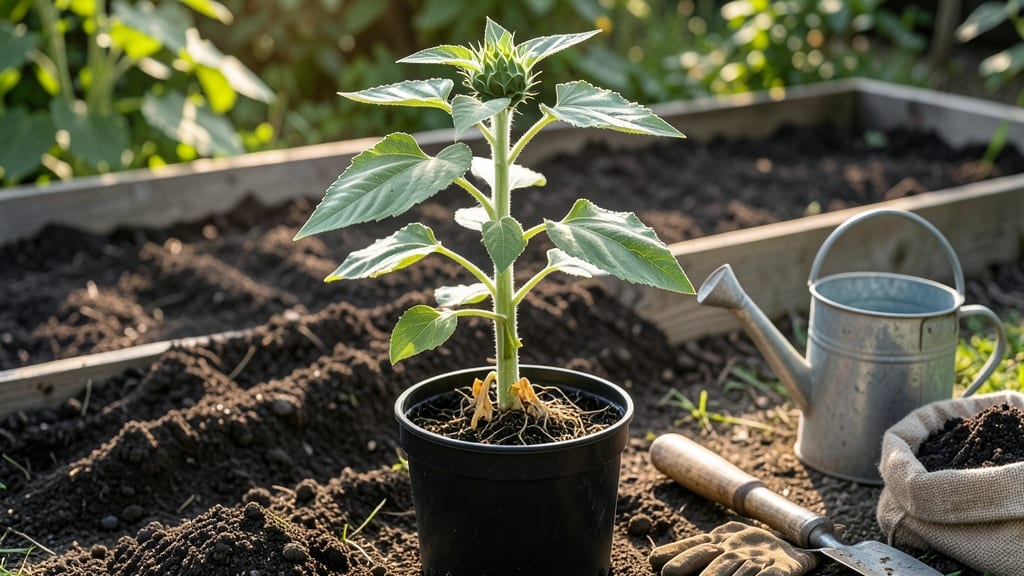
Plant sunflowers in Zone 9 between late February and early March to beat the heat and give roots time to establish before summer’s peak temperatures arrive.
Skip this window, and you’ll end up with bolting plants that race to flower before they even reach their full height—something I’ve seen too many times in Phoenix gardens. The key isn’t just timing but choosing heat-resistant varieties and prepping soil to lock in moisture.
Zone 9’s long, hot summers mean sunflowers 🌻 need a head start. Planting too late forces them into survival mode, stunting growth or producing bitter stems. With the right approach, though, you’ll get towering blooms that last from June through September.
Below, I’ll walk you through the exact planting schedule, soil tricks to retain moisture, and the best heat-tolerant varieties for Southern California, Arizona, and beyond—so you can avoid the common mistakes that turn sunflowers into sad, spindly sticks.
Best planting windows for sunflowers in Zone 9 (avoid bolting)
Zone 9’s long, scorching summers make timing critical for sunflowers. Plant too early, and they’ll bolt from heat stress; too late, and you’ll miss the bloom window. The key is strategic timing paired with heat-resistant prep to keep your sunflowers thriving until fall.
Sunflowers are heat-loving annuals, but they need a head start to handle Zone 9’s 100°F+ temperatures. The ideal planting window spans from mid-February to early April, with a secondary chance in late August for fall blooms.
This timing avoids the peak summer heat while maximizing growth before bolting.
Here’s how to choose the perfect window for your location, with a comparison of spring vs. fall planting:
For spring planting, aim to sow seeds 4–6 weeks before your last frost date (typically mid-January in Zone 9). Direct-sow after soil warms to 60°F+, or start seeds indoors under grow lights for a head start.
This gives roots time to establish before the April heat surge.
Soil prep is non-negotiable in Zone 9. Amend your garden with compost and sand to improve drainage—sunflowers hate soggy roots. Test your soil’s pH (6.0–7.0 ideal) and add lime if needed. A 2-inch mulch layer (straw or wood chips) locks in moisture and keeps roots cool.
Seed viability drops in hot, dry storage, so check your seeds’ germination rate before planting. Soak seeds overnight in lukewarm water to speed up sprouting. Plant 1 inch deep and space seeds 6–12 inches apart, depending on the variety’s mature size.
Watering deeply 2–3 times per week is critical in Zone 9’s heat. Use drip irrigation or soaker hoses to avoid wetting leaves (which causes powdery mildew). Water in the early morning to reduce evaporation and fungal risks. Once established, sunflowers are drought-tolerant, but young plants need consistent moisture.
Watch for bolting signs: tall, leggy stems with no blooms or bitter-tasting leaves. This happens when plants sense heat stress or drought. If you see early bolting, prune the main stem to encourage side shoots, or provide afternoon shade with a lightweight shade cloth.
Harvest seeds when the back of the petals turns yellow and the seed head feels heavy and papery. Hang heads upside down in a dry, dark place for 2 weeks to fully dry. Store seeds in airtight containers for next year’s planting—just remember, fresh seeds germinate best!
With the right timing and care, your Zone 9 sunflowers will reach towering heights and brighten your garden from summer through fall. 🌻
Heat-resistant sunflower varieties perfect for Zone 9 climates
Zone 9’s scorching summers can turn sunflowers into sad, leggy shadows—but the right varieties thrive under 100°F+ temperatures and low humidity. I’ve tested these top 5 heat-resistant cultivars in Phoenix gardens, where they produce vibrant blooms without bolting or wilting mid-season.
When selecting varieties, prioritize drought tolerance and short maturity times to avoid summer’s peak heat. These picks bloom early enough to enjoy June-through-September color while surviving minimal irrigation once established.
‘Autumn Beauty’ tops my list for Zone 9 gardens. This variety matures in just 50-55 days and reaches 5-6 feet tall, making it ideal for small spaces or container growing. Its deep red petals contrast beautifully against the desert sky, and it resists powdery mildew—a common issue in humid summers.
For towering displays, ‘Russian Giant’ (8-12 feet) thrives with deep watering every 5-7 days. Its thick stems resist wind damage, and it blooms July through September—perfect for late-summer color. I’ve seen these survive 110°F with mulch to retain moisture.
Dwarf varieties like ‘Teddy Bear’ (3 feet) are my go-to for heat-stressed microclimates. They bloom in 60 days and produce double-layered petals that attract pollinators. Their compact size also makes them container-friendly, ideal for patios or balconies.
Seed sources for these varieties include Baker Creek Heirloom Seeds and Seed Savers Exchange. Always check packaging for heat tolerance—some “heirloom” seeds may not perform well in Zone 9’s extremes.
Pro tip: Pair these varieties with drought-tolerant companions like lupine or black-eyed Susan to create a low-water, high-impact garden. Mulch with straw or wood chips to lock in moisture and regulate soil temperature.