
Flowers
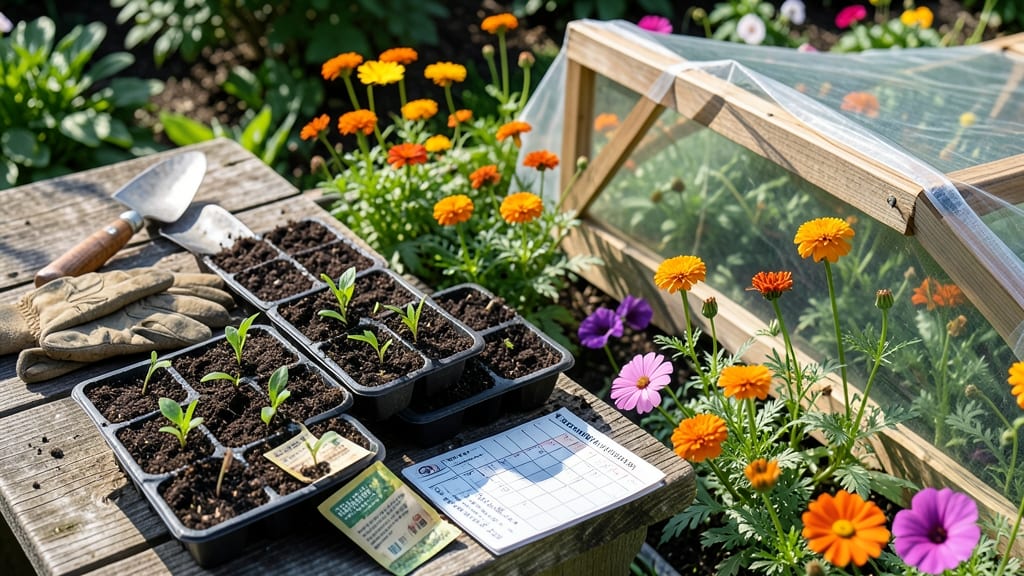
Planting flower seeds in Ohio at the right time means the difference between a garden bursting with color and a sad, frost-nibbled disappointment 🌸.
Ohio’s unpredictable spring weather can turn your flower garden dreams into a guessing game—unless you plant at the perfect time. Miss the window, and frost will kill your seedlings; plant too early, and you risk stunted growth.
With USDA Zone 6a frost dates hovering around mid-April, timing is everything. Some flowers, like hardy marigolds, can handle a light frost, while others, like zinnias, need warm soil to germinate.
Here’s your step-by-step guide to planting flower seeds in Ohio—when to start, which varieties thrive in your region, and how to protect your blooms from late frosts so you can enjoy vibrant gardens from summer through fall.
Ohio’s last-frost dates by region: critical timing for flower seed success
Ohio’s last-frost dates vary dramatically by region, making timing everything for your flower seeds. In the northern tier (e.g., Cleveland, Toledo), frost lingers until May 1-15, while southern Ohio (e.g., Cincinnati, Columbus) typically sees its final frost by April 15-30.
These differences mean zinnias and marigolds can go in the ground weeks earlier in the south than in the frost-prone north.
For annual flowers, like petunias or cosmos, wait until after your region’s average last frost—planting too soon risks frost damage to tender seedlings.
Perennials, such as black-eyed Susans or coneflowers, are hardier and can handle light frosts, so you can start them indoors 6-8 weeks before your last frost date.
Microclimates add another layer of complexity. Urban areas like Columbus often experience heat islands, warming up faster than rural zones, while valleys (e.g., Hocking Hills) may see frost 2-3 weeks later than surrounding hills.
Always check local weather forecasts and use frost-free date calculators from the Ohio State University Extension for precision.
Here’s a quick guide to Ohio’s last-frost zones and how they impact your planting schedule:
Adjust your planting schedule based on your region’s last-frost date and the hardiness of your chosen flowers.
For example, tender annuals like geraniums or impatiens should only go in the ground after all danger of frost has passed, while perennials like coreopsis can handle a light frost and may even benefit from an early start.
If you’re growing cool-season flowers (e.g., pansies, snapdragons), you can start seeds indoors 8-10 weeks before your last frost or sow them directly in the garden 4-6 weeks before the average last frost.
These flowers thrive in cooler temperatures and can even bloom into early summer before heat stress sets in.
For warm-season flowers, such as zinnias or marigolds, wait until the soil temperature reaches at least 60°F (15°C)—typically 2-3 weeks after your last frost. Use a soil thermometer to check, as cold soil can stunt seed germination.
If you’re in doubt, opt for transplants instead of seeds, as they’re less vulnerable to temperature fluctuations.
Don’t forget about fall planting! Many annual flowers, like cosmos and sunflowers, can be sown in late summer for fall blooms. Aim to plant these 60-75 days before your first frost (typically October 15 in Ohio).
This strategy extends your blooming season and adds color to your garden when other plants are winding down.
Pro tip: Use row covers or cold frames to push your planting window earlier in northern Ohio or protect late-season blooms from early frosts. These tools can add 2
Best flower seeds to plant by month in Ohio: a month-by-month guide
Ohio’s spring frost dates can vary by 1-2 weeks between northern and southern regions, so timing is everything. For cool-season flowers like pansies and snapdragons, I start seeds indoors in March and transplant after the last frost—usually mid-April to early May in most of Ohio.
Meanwhile, warm-season favorites such as marigolds and zinnias wait until soil warms to 60°F+, typically mid-May or later.
To simplify, I’ve broken down the best month-by-month planting schedule for Ohio’s top bloomers, including frost-hardy and heat-loving varieties. Whether you’re a beginner or a seasoned gardener, these tips will help you avoid frost damage and maximize your garden’s potential.
Pro tip: Always check your local USDA Zone 6a frost dates for the most accurate timing!
- 1 March: Start cool-season seeds indoors (pansies, snapdragons, sweet alyssum). Harden off seedlings by late March for early transplanting.
- 2 April: Direct-sow frost-tolerant varieties (calendula, lobelia) after last frost date (typically mid-April). Transplant cool-season seedlings into gardens.
- 3 May: Plant warm-season seeds (marigolds, zinnias, sunflowers) once soil reaches 60°F+. Use row covers for early May plantings in northern Ohio.
- 4 June: Sow heat-loving annuals (portulaca, cosmos) and succession-plant fast-growing flowers (basil flowers, nasturtiums) every 2 weeks for continuous blooms.
- 5 July-August: Direct-sow fall-blooming seeds (cosmos, black-eyed Susans) for late-season color. Avoid planting heat-sensitive varieties like impatiens.
- 6 September: Start cool-season seeds indoors for fall transplanting (pansies, sweet peas). Plant hardy annuals (stock, calendula) outdoors for winter interest.
For northern Ohio, where frosts linger later, delay warm-season plantings until late May or use black plastic mulch to warm the soil faster. In southern Ohio, you can push early spring plantings (like lettuce flowers) as early as February under row covers.
Always monitor soil temperature—a simple soil thermometer ($10 at garden centers) is a game-changer!
Don’t forget about succession planting! For example, sow zinnias every 3 weeks from May through July to enjoy blooms until frost. And if you’re in a microclimate (like a sunny urban courtyard), you might extend your season by 2-3 weeks compared to rural areas.
Test your space by planting a trial row of fast-growing flowers like radish flowers to gauge your local conditions.
Finally, fall planting is often overlooked but rewards you with early spring blooms. In Ohio, aim to sow cool-season seeds by early September for plants like snapdragons and stock to establish roots before winter.
With these month-by-month guidelines, your Ohio garden will burst with color from spring to frost!