
Flowers
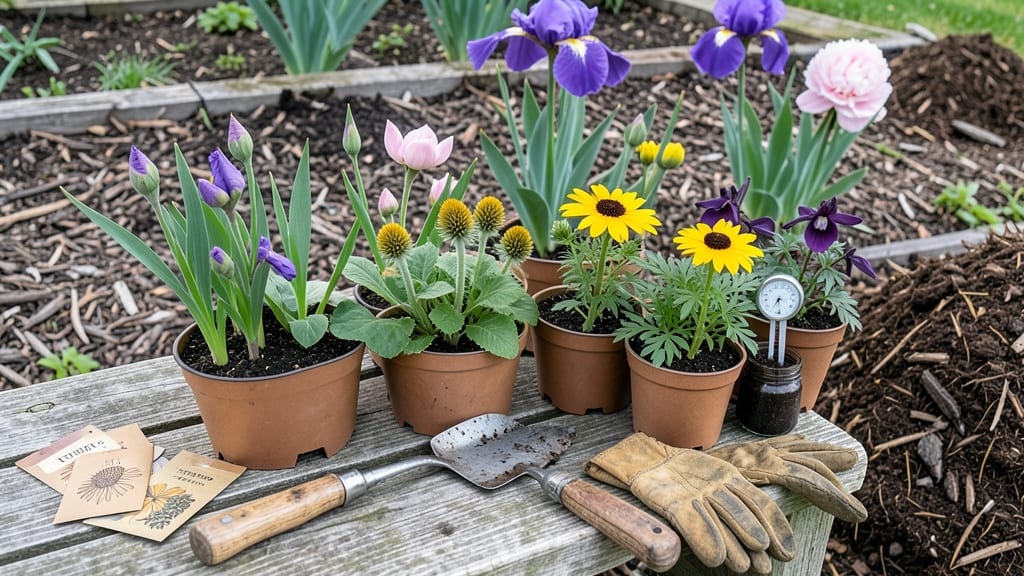
To plant flowers in Michigan, aim for late April to early May after the last frost—though your exact timing depends on whether you’re sowing seeds, transplanting annuals, or tucking in hardy perennials.
Michigan’s unpredictable spring weather can make flower gardening a guessing game—but timing your plantings right ensures vibrant blooms all season long.
Most gardeners in USDA Zones 5-6 wait until soil temperatures hit 50°F (about 60 days before the first frost), but bulbs like tulips can go in as early as October for a spring surprise.
Below, I’ll break down the best planting windows for annuals, perennials, and bulbs, plus how to adjust for Michigan’s microclimates—so you can skip the trial-and-error and start with confidence.
Michigan flower planting timeline by hardiness zones 5-6
Michigan’s hardiness zones 5-6 offer a short but vibrant growing season, where timing is everything. The last spring frost typically arrives between May 1-15, while the first fall frost hits around September 20-October 10.
These dates create a 120-150 day window for planting flowers, but some varieties thrive outside this range with proper care.
Understanding your specific frost dates is critical—check your local USDA zone map (Zone 5b in northern Michigan vs. Zone 6a in southern Michigan) to fine-tune your schedule. Soil temperature matters just as much as air temperature; aim for at least 50°F before planting frost-sensitive flowers like petunias or geraniums.
In cooler zones, extend your season with cold frames or row covers.
Now, let’s break down the ideal planting timeline for Michigan’s most popular flowers, from cool-season bulbs to heat-loving annuals. This schedule accounts for soil prep, frost risk, and bloom cycles to maximize your garden’s potential.
| Season | Plant Type | Best Planting Time | Notes |
|---|---|---|---|
| Early Spring | Bulbs (Tulips, Daffodils, Hyacinths) | September-October (Fall) or March (Spring) | Plant bulbs 6-8 weeks before hard frost for spring blooms. |
| Late Spring | Perennials (Coneflowers, Black-Eyed Susans, Lavender) | April-May (After last frost) | Divide perennials in early spring for best results. |
| Early Summer | Annuals (Marigolds, Zinnias, Petunias) | May 15-June 15 (After soil warms) | Use row covers if night temps dip below 50°F. |
| Mid-Summer | Heat-Loving Annuals (Sunflowers, Cosmos, Vinca) | June 1-July 15 | Direct sow after June 1 to avoid frost damage. |
| Fall | Cool-Season Annuals (Pansies, Snapdragons, Calendula) | August-September (6-8 weeks before first frost) | Ideal for fall color and early spring blooms. |
| Late Fall | Spring-Blooming Bulbs (Crocus, Snowdrops, Allium) | October-November | Plant before ground freezes for early spring blooms. |
For Zone 5 gardens, prioritize early spring planting (March-April) for hardy perennials like hostas and peonies, which establish roots before summer heat arrives.
In Zone 6, you can extend your season by planting heat-tolerant annuals like lantana or salvia as late as June 30, but monitor weather forecasts for unexpected cold snaps.
Always test your soil in early spring—Michigan’s clay-heavy soils benefit from compost or aged manure to improve drainage.
Aim for a pH of 6.0-7.0 for most flowers, and adjust with lime (to raise pH) or sulfur (to lower pH) as needed. Mulching with straw or shredded leaves helps retain moisture and regulate soil temperature.
Don’t overlook container gardening—it’s perfect for Michigan’s short season! Plant fast-growing annuals like basil or nasturtiums in pots and move them to sunny spots or patios as needed. Containers also let you extend the season by bringing them indoors before frost or using heat mats in early spring.
If you’re new to Michigan gardening, start with low-maintenance perennials like daylilies, bee balm, or sedum, which thrive in zones 5-6 and <
How to adjust planting dates for Michigan’s microclimates
Michigan’s diverse geography means hardiness zones 5-6 can vary dramatically within just a few miles.
Urban heat islands in Detroit can push planting dates 2-3 weeks earlier than rural areas in northern Michigan, while southern Michigan’s warmer microclimates near Lake Erie let you plant cold-sensitive flowers weeks ahead of schedule. Understanding these variations helps you avoid late frost damage or wasted seed investments.
Start by checking your local frost-free dates from the National Weather Service or Michigan State University Extension. For example, Traverse City typically has a last frost around May 15, while Ann Arbor averages May 5.
Use these dates as your baseline, then adjust based on your specific location’s sun exposure and wind patterns.
For urban gardens, leverage vertical growing spaces and reflective surfaces to create warmer microclimates. Paint walls light colors to reflect heat, and use windbreaks made from bamboo fencing to protect delicate annuals.
In northern Michigan, focus on early-blooming perennials like bearded iris and daylilies, which tolerate late frosts better than tender annuals.
Always test your soil’s temperature and moisture before planting. Use a soil thermometer—most flower seeds need 60-70°F soil to germinate properly.
In southern Michigan, you can start warm-season flowers indoors 6-8 weeks before your last frost date, while northern gardeners should wait until after May 15 to avoid frost damage.
Pro tip: Keep a gardening journal for 2-3 years to track your local microclimate patterns. Note when specific flowers bloom, how late frosts affect your plants, and which adjustments worked best. This personalized data will help you fine-tune your planting schedule for years to come.
With these adjustments, you’ll maximize your flower blooms and minimize wasted efforts, even in Michigan’s unpredictable climate. Happy gardening! 🌷