
Flowers
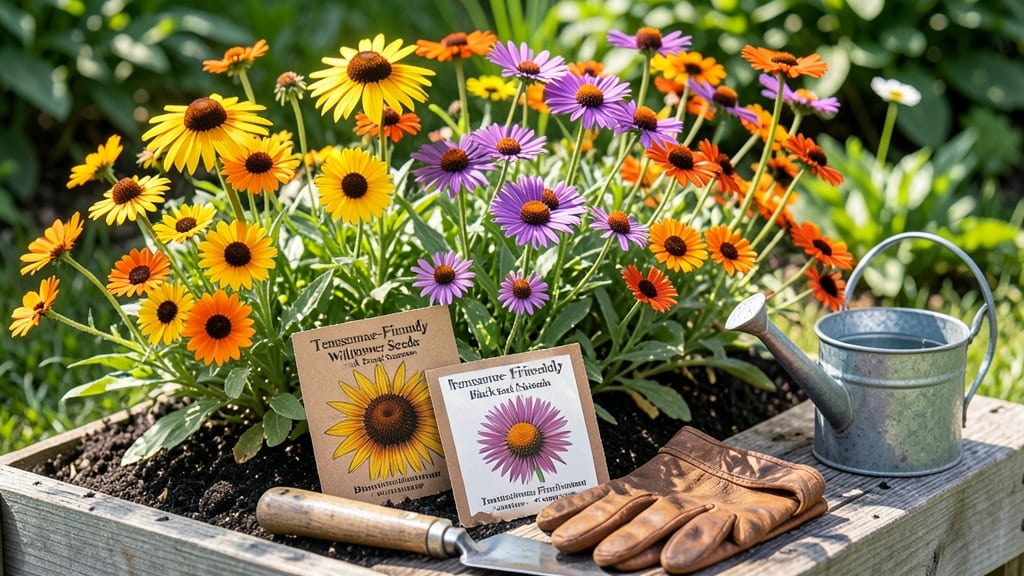
To plant flowers in Tennessee, aim for early spring (after March 15) and late summer (August-September) when soil temperatures rise and frost risks fade.
Tennessee’s mild winters and hot summers create the perfect canvas for vibrant flower gardens—but timing is everything. Plant too early, and frost will kill your blooms; too late, and you’ll miss peak summer color.
In USDA Zones 6b and 7a, your last frost date varies by region—Nashville’s average is March 15, while the Smoky Mountains may linger until April. That’s why knowing your microclimate matters.
Below, I break down the exact planting windows for annuals, perennials, and bulbs, plus soil prep tips and Tennessee’s top heat-tolerant blooms for reliable color year after year.
Best flower planting deadlines by type for Tennessee’s zones 6b & 7a
Tennessee’s USDA Zones 6b and 7a offer gardeners a 190-day frost-free season, but timing your flower planting correctly ensures vibrant blooms all year. The last frost date typically falls around March 15 in Nashville, while Knoxville and Chattanooga may see frost linger until April 1.
Warm-season flowers like marigolds and zinnias thrive when soil temps hit 60°F, while cool-season pansies and snapdragons can handle light frosts.
Your planting schedule hinges on two key seasons: cool-season flowers (spring) and warm-season flowers (summer/fall). Cool-season plants like calendulas and lobelia can be sown as early as February under row covers, while tender annuals like petunias must wait until after the last frost.
Perennials like daylilies and black-eyed Susans can be planted in early spring or fall, giving you flexibility.
| Flower Type | Best Planting Window | Frost Tolerance | Sun Needs | Notes |
|---|---|---|---|---|
| Cool-Season Annuals | Feb–March (under cover) or April 15+ | Light frost tolerance | Full sun to partial shade | Pansies, snapdragons, calendulas |
| Warm-Season Annuals | April 30–May 15 (after frost) | None | Full sun (6+ hours) | Marigolds, zinnias, petunias |
| Spring-Blooming Bulbs | September–October (fall) or March | High frost tolerance | Full sun to partial shade | Tulips, daffodils, crocuses |
| Fall-Blooming Bulbs | August–September | Moderate frost tolerance | Full sun | Dahlias, cannas, gladiolas |
| Perennials | Early spring (March–April) or fall (Sept–Oct) | Varies by type | Partial to full sun | Daylilies, coneflowers, salvias |
| Tender Flowers | May 15–June 1 (after soil warms) | None | Full sun | Geraniums, coleus, impatiens |
For Nashville’s Zone 7a, warm-season flowers like sunflowers and cosmos can be direct-sown as early as April
How to adjust planting times for Tennessee’s microclimates and frost risks
Tennessee’s diverse geography means your neighbor’s last frost date might not match yours. The Nashville Basin (Zone 7a) often warms by March 15, while the Smoky Mountains (Zone 6b) can linger until April 15. This 1-month difference impacts everything from bulb planting to annual bedding.
Soil warmth varies too: low-lying areas heat up faster, while higher elevations stay cooler. Test your soil with a soil thermometer—ideal planting temps for most flowers are 60°F+. In cooler microclimates, wait until April 1 for tender annuals like petunias or marigolds.
Use this frost-risk calculator to adjust your schedule: Subtract 10 days from the average last frost date if you’re in a cooler microclimate, or add 10 days for warmer areas.
For example, Chattanooga’s Zone 7a can plant zinnias by April 1, while Knoxville’s Zone 6b should wait until April 15.
| Microclimate | Last Frost Date | Safe Planting Window | Tools to Extend Season |
|---|---|---|---|
| Nashville Basin (Zone 7a) | March 15 | March 20–April 15 | Row covers for early starts |
| Chattanooga (Zone 7a) | March 20 | March 25–April 20 | Cold frames for late fall |
| Smoky Mountains (Zone 6b) | April 15 | April 20–May 1 | Black plastic mulch |
| Memphis (Zone 7b) | March 10 | March 15–April 10 | Hoop houses for winter |
Extend your growing season with row covers or cold frames. For example, use floating row covers to plant pansies or snapdragons as early as February 15 in Nashville. In cooler areas, black plastic mulch warms soil by 5–10°F, letting you plant tomatoes or peppers 2 weeks earlier.
For late fall blooms, protect mums or aster flowers with burlap wraps until November 1. In Zone 6b, this can add 3–4 weeks of color. Always check the 10-day forecast before removing covers—frost can still sneak in!
Pro tip: Group plants by hardiness zones. Cold-hardy perennials like coneflowers thrive in Zone 6b, while tender annuals like geraniums need Zone 7a+. Adjust spacing too—plants in cooler areas grow slower, so leave 12–18 inches between them for airflow.