
Plants
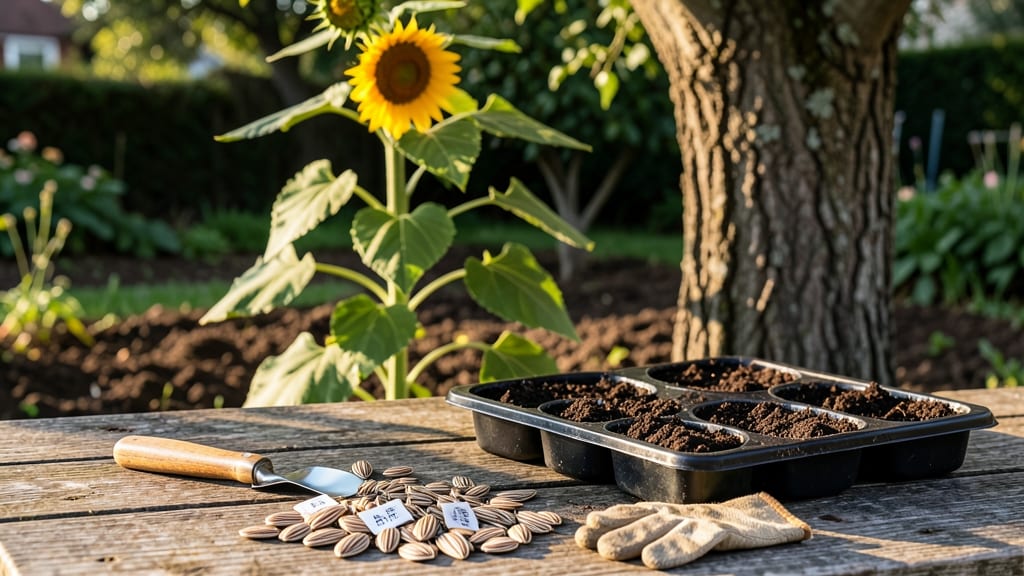
Planting sunflower seeds in Missouri at the right time means the difference between towering 🌻 blooms and sad, stunted stalks — and the window is narrower than you’d think.
Missouri’s unpredictable spring weather can turn a well-timed planting into a gamble. One week of frost after your seeds sprout, and you’re back to square one. But get the timing right, and you’ll enjoy sunflowers reaching 10 feet tall by midsummer, their golden faces turning toward the sun like clockwork.
For USDA Zones 5 and 6, the ideal planting window opens after your last frost date, typically between mid-April and early May. Soil temperature is the real secret: wait until it hits a steady 55°F before you drop those seeds in the ground.
In this guide, I’ll walk you through the exact frost-free deadlines for your region, how to prep your soil for sunflower success, and the one trick that lets you squeeze an extra two weeks of growth out of your season—without risking frost damage.
Missouri sunflower planting deadlines by USDA Zone 5 & 6 (with frost risk charts)
Sunflowers thrive in Missouri’s warm summers, but getting them in the ground at the right time ensures strong, vibrant blooms. The key is planting after the last frost date when soil temperatures consistently stay above 55°F.
In Zone 5 (northern Missouri), this typically falls between late April and early May, while Zone 6 (southern Missouri) sees frost-free conditions about 2-3 weeks earlier. Missing these windows risks frost damage to young seedlings or stunted growth.
Missouri’s climate can be unpredictable, with late frosts possible even after average dates. For example, St. Louis (Zone 6) has seen frost as late as May 10th, while Kansas City (Zone 5) may experience frost until May 15th.
Always monitor local forecasts and soil temperatures to adjust your planting schedule. Using a soil thermometer is my go-to tool for confirming readiness.
Here’s a side-by-side comparison of planting deadlines for Missouri’s two primary zones, including frost risk markers for sensitive varieties like ‘Autumn Beauty’ and ‘Moulin Rouge’. This table helps you visualize the critical window where sunflowers can establish roots before summer heat sets in.
| Factor | USDA Zone 5 (Northern MO) | USDA Zone 6 (Southern MO) | Frost Risk |
|---|---|---|---|
| Average Last Frost Date | May 1-15 | April 15-May 1 | ⚠️ High risk before May 1 |
| Soil Temperature Threshold | 55°F+ (consistent) | 55°F+ (consistent) | 🌡️ Use soil thermometer |
| Ideal Planting Window | May 10-June 15 | April 20-May 31 | ✅ Low risk after dates |
| Late Frost Risk Zone | May 1-10 (20% chance) | April 25-May 5 (10% chance) | ❄️ Protect seedlings with row covers |
| Extended Window (Cold-Hardy Varieties) | April 20-May 1 (with cover) | April 1-May 1 (with cover) | 🌱 Use 'Autumn Beauty' for earlier starts |
| Missed Window? Try... | Staggered planting (every 2 weeks) | Staggered planting (every 2 weeks) | 🌻 'Moulin Rouge' matures in 60 days |
For Zone 5 gardeners in northern Missouri, aim to plant sunflower seeds between May 10th and June 15th. This window ensures seedlings emerge when nighttime temperatures are consistently above 50°F and soil warmth promotes germination.
If you’re eager to start earlier, use row covers or a mini greenhouse to protect tender seedlings during the late frost window (April 20th–May 1st).
Southern Missouri’s Zone 6 offers a longer growing season, allowing you to plant as early as April 20th. However, I recommend waiting until April 25th to avoid potential late frosts, especially in years with unpredictable weather patterns.
The extended window here lets you enjoy sunflowers from early summer through fall, with varieties like ‘ProCut’ producing blooms ready for harvest by July.
Missouri’s variable climate means your actual planting date may shift from year to year. Check the Missouri State Climate Office for localized frost data or use a frost calendar from your county extension office.
For example, Columbia (Zone 6) averages frost-free by April 20th, but 2022 saw frost as late as May 3rd. Always err on the side of caution—better to wait a few days than risk losing your seedlings to a surprise frost.
Pro tip: Plant a test row of sunflower seeds 1-2 weeks before your target date. If these seedlings survive without damage, the rest of your garden is safe to plant.
This simple trick saves time and heartache, especially for beginners. Pair this with a soil thermometer reading of 60°F+ for foolproof success.
Remember, sunflowers are resilient, but timing matters. Plant too late, and you’ll miss the towering 12-foot stalks that make sunflowers a garden showstopper. By following these zone-specific deadlines and monitoring local conditions, you’ll enjoy a summer filled with golden blooms that attract pollinators and brighten every corner of your yard.
🌻
5 Critical factors that determine your sunflower planting success in Missouri
Getting your sunflower seeds in the ground at the right time is just the first step—Missouri’s variable soil conditions and unpredictable weather can turn a great start into a flop if you miss these five critical factors.
I’ve learned the hard way that even the hardiest sunflower varieties need the right foundation to thrive in our USDA Zones 5 and 6.
While timing matters, soil preparation is where most gardeners stumble. Sunflowers demand well-draining soil with a pH between 6.0 and 7.0.
If your soil is too acidic or compacted, your plants will struggle to establish deep roots, leading to weak stems that snap in summer storms—a common issue in Missouri’s humid summers.
Here’s what you absolutely must get right to ensure your sunflowers grow tall, strong, and vibrantly golden all season:
Your Missouri Sunflower Planting Checklist
- 1 Soil pH 6.0–7.0: Test your soil and amend with lime (to raise pH) or sulfur (to lower it) before planting. Missouri’s clay-heavy soils often need compost or sand to improve drainage.
- 2 Seed depth 1–2 inches: Plant seeds no deeper than 1.5 inches—sunflowers need light to germinate. Press seeds gently into soil and cover with a thin layer of mulch to retain moisture.
- 3 Spacing 12–24 inches: Dwarf varieties (like ‘Teddy Bear’) need 12 inches apart, while standard types (like ‘Russian Giant’) require 24 inches. Overcrowding leads to pale, weak stems and increased disease risk.
- 4 Companion plants: Pair sunflowers with marigolds (to repel pests) or basil (to improve flavor if you’re growing edible varieties). Avoid planting near potatoes or fennel, which stunt growth.
- 5 Post-planting care: Water deeply twice weekly (1–1.5 inches per week) and apply 2–3 inches of mulch to retain moisture. Avoid wetting leaves to prevent fungal diseases like powdery mildew, which thrives in Missouri’s humidity.
One mistake I see often is skipping soil testing. Missouri’s clay-heavy soils in northern regions (Zone 5) can become waterlogged, while sandy soils in southern areas (Zone 6) dry out too quickly. A simple $15 soil test kit from your local extension office will save you headaches—and your sunflowers.
After planting, consistent watering is non-negotiable. Sunflowers need 1–1.5 inches of water weekly, but they hate soggy roots. Use a drip irrigation system or soaker hose to deliver water directly to the base, keeping leaves dry.
This is especially critical in July and August, when Missouri’s heat can stress young plants.
Finally, don’t overlook the power of companion planting. I’ve had the best success with marigolds around my sunflowers—they deter pests like sunflower moths, which can devastate blooms.
If you’re growing ‘Moulin Rouge’ (a popular Missouri variety), pair it with basil to enhance flavor if you plan to harvest the seeds.
With these five factors locked in, your sunflowers will reward you with sturdy stems, bold blooms, and seeds ready for harvest by late summer—just in time for Missouri’s golden autumn. 🌻