
Plants
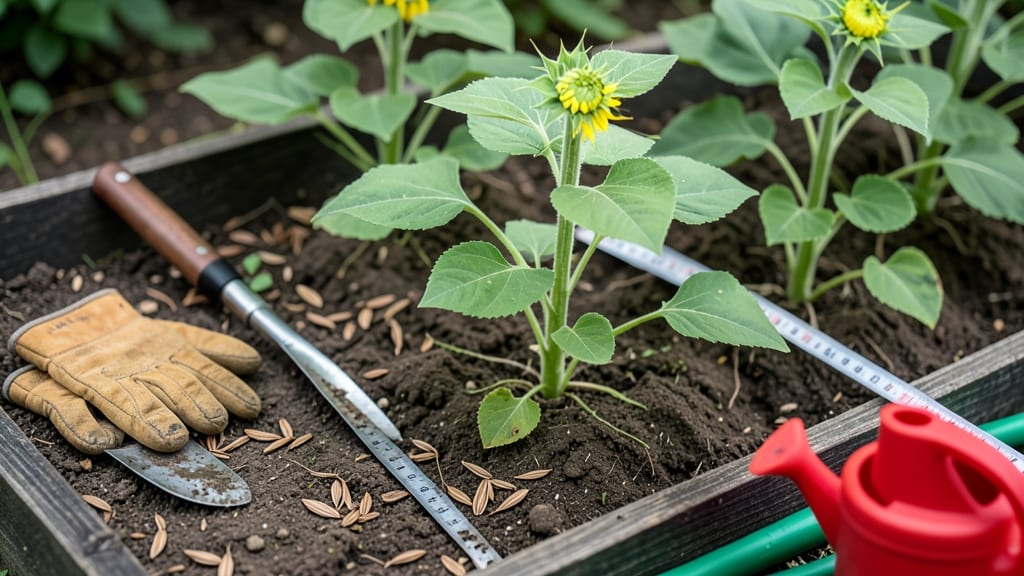
Plant sunflower seeds outside after your last frost when soil temperatures stay above 50°F (10°C)—that’s the golden window for strong, healthy starts that reach for the sky.
Sunflowers bring vibrant color and joy to any garden—but planting them at the wrong time can mean wilted dreams before they even sprout. Timing is everything, and knowing your USDA zone ensures your sunflower seeds thrive from soil to sky.
In Zone 6a, like many gardeners, that’s typically mid-April to early June, but late frosts or early heat can shift those dates. The key is waiting for nighttime temps to stay above 50°F (10°C)—cold soil slows germination, and frost will kill delicate sprouts.
Below, I’ll break down the exact frost-free window for your zone, how to adjust for early or late blooms, and the simple steps to direct-sow seeds for maximum success—no guesswork, just sunflowers.
Best planting dates for sunflower seeds by USDA zone
Timing your sunflower seeds correctly ensures they grow tall and strong, not wilted and weak. Since sunflowers thrive in warm soil and long daylight, planting too early risks frost damage, while late planting cuts their growing season short. Your USDA zone and last frost date are your best guides.
Sunflower seeds need soil temperatures above 50°F (10°C) to germinate properly. In cooler zones, wait until after the last spring frost—typically 2–3 weeks before your region’s average last frost date. In warmer zones, you can plant slightly earlier, but avoid extreme heat that dries out seeds.
Here’s a breakdown of ideal planting windows for USDA Zones 3–11, accounting for regional climate variations and sunflower maturity rates. Use this as your planting calendar to maximize those cheerful, towering blooms!
| USDA Zone | Ideal Planting Window | Soil Temp Requirement | Key Timing Notes |
|---|---|---|---|
| Zones 3–4 | Mid-May to early June | 55–60°F (13–16°C) | Wait until nighttime temps stay above 50°F (10°C); use black plastic mulch to warm soil faster. |
| Zones 5–6 | Late April to mid-May | 50–55°F (10–13°C) | Plant 2 weeks after last frost; choose early-maturing varieties (50–60 days) for shorter seasons. |
| Zones 7–8 | Early April to early May | 45–50°F (7–10°C) | Can plant as early as March in mild winters; succession plant for continuous blooms. |
| Zones 9–10 | February to March | 40–45°F (4–7°C) | Plant 6–8 weeks before last frost; avoid summer heat stress by choosing heat-tolerant varieties. |
| Zone 11 | Year-round (best in winter) | 40°F+ (4°C+) | Plant in cool winter months (Dec–Feb) to avoid intense summer heat; use shade cloth if needed. |
For direct sowing outdoors, scatter seeds 1 inch deep and 6 inches apart in rows 18–24 inches apart. In cooler zones (3–5), consider starting seeds indoors 2–3 weeks before the last frost for a head start. Use biodegradable pots to transplant seedlings gently.
Sunflowers need 6–8 hours of sunlight daily, so choose a south-facing spot with no shade. If your zone has short growing seasons, opt for dwarf varieties (3–6 ft tall) like ‘Teddy Bear’ or ‘Moulin Rouge’—they mature faster (50–60 days) than giant varieties.
Watch for soil warmth cues: press your hand into the soil—if it feels warm to the touch (like a cozy bath), it’s time to plant. In dry climates, water seeds lightly after planting to settle soil, then deep-water weekly until established.
Pro tip: Stagger plantings every 2 weeks to extend your sunflower season. This ensures continuous blooms from summer into fall, attracting pollinators like bees and butterflies. Just remember—taller varieties need staking in windy areas!
If you’re in a transition zone (e.g., Zone 6b/7a), err on the side of planting later rather than earlier. Sunflowers are frost-sensitive once sprouted, and a late frost can kill young seedlings. Use row covers if nighttime temps dip below 40°F (4°C) after planting.
Finally, harvest timing depends on your goal: cut flowers bloom in 70–90 days, while seed production takes 100–120 days. Plan accordingly—early plantings yield larger blooms, while late plantings may produce smaller but later-season flowers.
With the right timing, your sunflowers will reach their full vibrant potential, turning your garden into a golden masterpiece. Happy planting! 🌻
How to adjust planting time for early or late blooms
Want sunflowers blooming earlier for summer bouquets or later to feed migrating birds? Adjusting your planting time is easier than you think. By using staggered plantings, cold-hardy varieties, or heat-tolerant adjustments, you can control bloom timing without sacrificing plant health.
The key is understanding how temperature and sunlight interact with your sunflower’s growth stages.
For early blooms, focus on planting fast-maturing varieties like 'Early Bird' (50-55 days) or 'Moulin Rouge' (55-60 days) as soon as soil warms to 50°F (10°C). These varieties thrive in cooler conditions and can push blooms ahead by 2-4 weeks compared to standard types.
Pair this with a south-facing bed that warms faster—critical for northern climates.
- 1 Staggered Planting: Sow seeds in two batches, 10-14 days apart, to extend bloom time by 3-4 weeks. Use early varieties first, then standard types for a continuous display.
- 2 Cold-Hardy Varieties: Choose 'Autumn Beauty' or 'Russian Giant' for cooler zones. These tolerate light frosts and bloom later in the season, perfect for wildlife support when other flowers fade.
- 3 Heat Tolerance: For late-season blooms, plant 'ProCut' or 'Mammoth' varieties in late June or early July. These handle summer heat better and produce blooms when other annuals struggle.
- 4 Soil Warmth Trick: Use black plastic mulch to warm soil 2-3 weeks earlier in spring. This lets you plant 30 days ahead of traditional schedules without frost risk.
- 5 Shade Cloth Hack: Cover young plants with 30% shade cloth in peak summer to slow growth and delay blooming by 2-3 weeks. Ideal for cut flower gardens needing staggered harvests.
If you’re aiming for late blooms, consider planting in early July with heat-tolerant varieties like 'ProCut' or 'Mammoth'. These varieties can handle the dog days of summer and still produce stunning blooms when other annuals are wilting.
Pair this with deep watering (1-2 inches per week) to keep roots cool and plants thriving.
For wildlife support, focus on late-season blooms by planting 'Autumn Beauty' or 'Russian Giant' varieties in early June. These provide nectar and seeds when other flowers have faded, supporting bees, birds, and butterflies well into fall. Just ensure you leave some seed heads for birds to enjoy!
Pro tip: Keep a planting journal to track which varieties bloom earliest or latest in your microclimate. Over time, you’ll refine your schedule for perfect timing every season. With these adjustments, you’ll enjoy sunflowers from early summer to frost—a gardener’s dream! 🌻