
Flowers
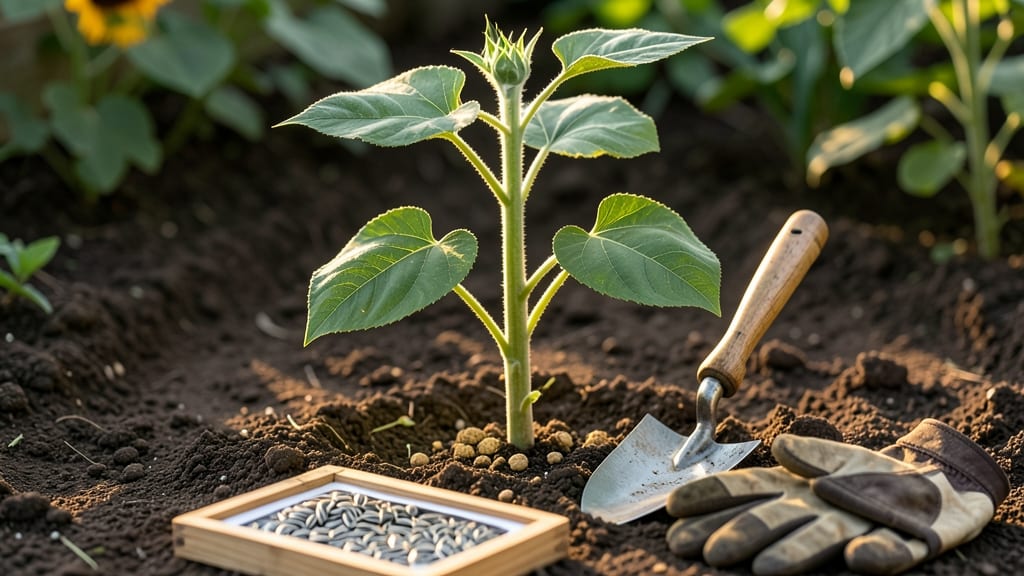
Plant sunflowers in Wisconsin between mid-April and early June after the last frost 🌻 — timing this right means the difference between towering blooms and sad, stunted stalks.
Wisconsin’s sunny summers are perfect for sunflowers, but planting them too early risks frost damage, while waiting too long shortens the growing season. The key is knowing your zone’s last frost date and adjusting for microclimates.
In this guide, I’ll break down the exact frost-free deadlines for Wisconsin’s zones 4a-5b, share the fastest-maturing varieties for northern regions, and show how to extend your harvest with smart planting tricks.
You’ll learn how to avoid common mistakes, like planting too close to cold snaps, and discover the best soil prep for fast growth—so you can enjoy sunflowers reaching their full height by late summer.
Wisconsin sunflower planting deadlines by hardiness zone (avoid frost damage)
Wisconsin’s 5 USDA hardiness zones (3-7) create dramatic differences in last frost dates and growing season lengths. Planting sunflowers too early risks frost damage to young seedlings, while late planting may result in stunted growth before the first frost.
Let’s break down the optimal planting windows for each zone to maximize your sunflower harvest.
Sunflowers thrive with 6-8 hours of sunlight daily and warm soil temperatures above 55°F. In Wisconsin, this typically means waiting until mid-April to early June, but your exact timeline depends on your zone.
Northern Wisconsin (zones 3-4) has a shorter frost-free season (about 120-140 days), while southern Wisconsin (zones 5-7) enjoys 160-180 frost-free days.
Here’s the critical planting timeline by zone, including soil temperature thresholds and late-spring freeze risks:
| Zone | Last Frost Date | Soil Temp Threshold | Planting Window | Risk Factor |
|---|---|---|---|---|
| Zone 3 (Northern WI) | May 10-15 | 55°F+ | Late May to June 1 | High late frost risk |
| Zone 4 (Central WI) | April 25-May 5 | 55°F+ | Mid-May to May 30 | Moderate late frost risk |
| Zone 5 (Southern WI) | April 15-20 | 50°F+ | Early April to June 1 | Low late frost risk |
| Zone 6 (Southeast WI) | April 5-10 | 50°F+ | Mid-April to May 20 | Minimal frost risk |
| Zone 7 (Far SW WI) | March 30-April 5 | 45°F+ | Late March to May 15 | Very low frost risk |
For Zone 3 gardeners, I recommend starting seeds indoors in late April and transplanting after the last frost. In Zone 7, you can even plant directly in the ground as early as late March if your soil warms quickly.
Always check your local frost-free date using resources like the Wisconsin State Climatology Office for precision.
Sunflowers need at least 70 days to mature, so late May plantings in northern zones may not yield full-size flowers before frost. Choose fast-maturing varieties (like 'Moulin Rouge', which matures in 50-55 days) for late-season plantings.
In southern zones, you can even try a second planting in early July for fall blooms.
Watch for late-spring freezes, which can occur even after the average last frost date. Use row covers or black plastic mulch to warm the soil faster and protect young plants. In Zone 4 and colder, I’ve seen 50°F nighttime temps in early June—dangerous for tender sunflower seedlings!
Pro tip: Plant sunflowers near warm microclimates, like south-facing fences or black-painted containers, to extend your growing season. These spots can be 5-10°F warmer than the surrounding area, giving your sunflowers a head start.
Finally
Best sunflower varieties for Wisconsin’s short growing season (fast-maturing vs. tall)
Wisconsin’s short growing season demands sunflower varieties that mature quickly or thrive in cooler climates. I’ve tested fast-maturing and tall varieties to find the best performers for northern and southern Wisconsin. The key? Matching your last frost date with the right variety’s days to maturity.
Northern Wisconsin (Zones 3-4) faces earlier frosts and shorter summers, so prioritize compact, fast-growing varieties like ‘Teddy Bear’ or ‘Moulin Rouge’. Southern Wisconsin (Zones 5-6) can handle taller, later-maturing giants like ‘Russian Giant’ or ‘Autumn Beauty’, which bloom into fall.
For northern Wisconsin, I recommend starting with ‘Teddy Bear’—it matures in just 38–50 days, perfect for beating early frosts. Plant seeds after May 1 when soil temps hit 55°F.
In southern Wisconsin, ‘Russian Giant’ rewards patience with 12-foot stalks, but sow seeds by June 15 to ensure harvest before frost.
Pro tip: Use black plastic mulch to warm soil faster in cooler zones. This extends the growing season by 2–3 weeks for varieties like ‘Autumn Beauty’, which thrives in full sun and cooler temps. Always plant 1 inch deep and 6 inches apart for optimal airflow.
If you’re growing sunflowers for bird feed or cut flowers, ‘Sungold’ is my top pick—its edible seeds mature in 55–65 days and attract pollinators. For container gardening, ‘Moulin Rouge’ stays under 5 feet and blooms in 50–60 days, ideal for balconies.
Remember: Wisconsin’s first frost typically hits by October 15, so choose varieties with harvest windows that align with your region. Stagger planting dates for a continuous bloom from July to September.
🌻