
Plants
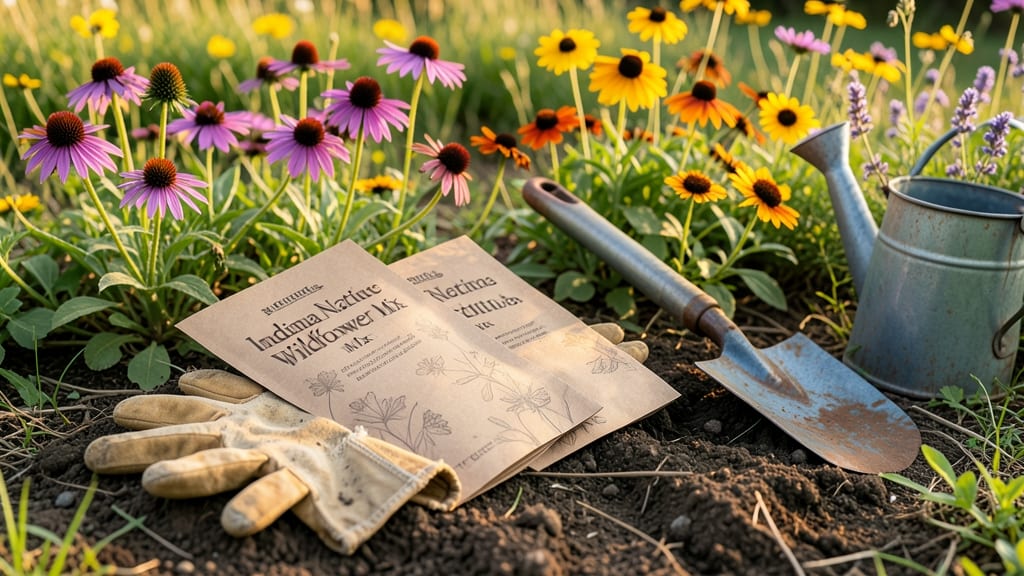
Planting wildflower seeds in Indiana at the right time means the difference between a fast, vibrant meadow and a patch of dirt by next summer.
Indiana’s unpredictable spring weather can make or break your wildflower garden—but timing your planting just right ensures a burst of color from early summer to frost.
Whether you’re restoring prairie land or adding pollinator-friendly blooms to your yard, knowing the exact windows for planting 🌼 wildflowers in Zones 5 and 6 is the secret to a thriving meadow.
Most gardeners assume spring is the only time to plant, but fall actually gives seeds a head start by letting nature’s freeze-thaw cycle soften their tough coats.
Meanwhile, spring planting works best after the last frost date—around mid-April for most of Indiana—but requires extra care to keep seeds from drying out in the variable spring winds.
In this guide, I’ll break down the best planting windows for your region, soil prep tricks to boost germination, and how to choose seeds that thrive in Indiana’s climate. By the end, you’ll know exactly when to scatter those seeds for bold blooms that last all season.
Best planting windows for Indiana wildflowers by season (Zone 5 & 6 guide)
Indiana’s unpredictable spring rains and late frosts can turn your wildflower dreams into soggy disappointment—but fall planting often outperforms spring in this region. The key lies in understanding Zone 5b/6a frost dates and how soil temperatures trigger germination.
For most wildflower species, September-October offers cooler soils and steady moisture, while March-April spring planting requires careful timing to avoid frost damage.
Native wildflowers like black-eyed Susans and purple coneflowers thrive when sown 4-6 weeks before the first hard frost, which typically hits mid-October in northern Indiana. Annuals (like cosmos) can handle spring sowing, but perennials benefit most from fall’s natural stratification process.
Even in urban heat islands, microclimates can shift planting windows by 2-3 weeks—so pay attention to your specific location.
| Planting Method | Best Months (Zone 5b/6a) | Soil Prep Timing | Key Advantages |
|---|---|---|---|
| Fall Sowing | September-October | Prepare soil in August | Natural stratification, fewer weeds, cooler germination |
| Spring Sowing | March-April (after last frost) | Prepare soil in February | Faster blooms, better for annuals |
| Late Summer Sowing | August (for quick annuals) | Light soil disturbance | Extended bloom season |
For fall planting success, start by clearing debris and loosening soil in mid-August—this gives weeds time to sprout so you can till them under before sowing. Indiana’s clay-heavy soils benefit from compost amendment (2-3 inches mixed in), which improves drainage and reduces compaction.
If your area has sandy soil (common in northern Indiana), add peat moss to retain moisture during germination.
Spring planting demands more vigilance due to late frosts that can hit as late as May 10th in Zone 5.
Wait until soil temperatures consistently reach 50°F (use a soil thermometer) before sowing. Annual wildflowers like sunflowers and zinnia can tolerate light frost, but perennials like bee balm need stable warmth to establish roots.
Urban gardeners face unique challenges: paved surfaces create heat islands that can advance planting by 2 weeks, while shady sidewalks delay germination.
Test your microclimate by planting a small test patch in both full sun and partial shade areas to see where seeds perform best. Native prairie mixes often outcompete weeds in open fields, while urban edges may need mulch to suppress weeds during establishment.
Don’t overlook seed scarification for tough-coated species like blazing star—lightly nick seeds with sandpaper or soak overnight to break dormancy. Lightly rake seeds into 1/4-inch soil (never bury deeply) and water gently to prevent washing away. Consistent moisture is critical for the first 2-3 weeks, but avoid overwatering, which causes rot in Indiana’s humid summers.
Timing your post-planting watering matters too: water deeply every 2-3 days in spring when rains are sporadic, then reduce to weekly once seedlings appear. Fall-sown seeds often need less watering thanks to natural rainfall, but check soil moisture—1 inch deep should stay damp. Mulch lightly with straw to retain moisture without smothering tiny sprouts.
Expect first blooms 6-8 weeks after planting, but perennials may take 2 years to reach full vigor. Indiana’s long growing season (165 frost-free days) lets you extend blooms by successive sowings—try late August for fall color from annuals like cosmos. Native species support pollinators year-round, so diverse mixes ensure continuous nectar from May through October.
Pro tip: Mark your planting dates on a calendar with last frost dates for your county—Indiana’s Zone 5b (northern) and Zone 6a (southern) can vary by <
How to choose wildflower seed mixes for Indiana’s soil and climate
Selecting the right wildflower seed mix for Indiana means balancing native species with your garden’s specific needs. Indiana’s clay-heavy soils and variable rainfall demand seeds that thrive without constant care.
Start by checking the seed packet label—look for Indiana-specific species like black-eyed Susan or purple coneflower, which handle our humid summers and cold winters like pros.
Native mixes often include drought-tolerant varieties like blazing star or butterfly milkweed, perfect for Indiana’s unpredictable rainfall. Avoid mixes labeled "wildflower blend" without specifics—they might include invasive species like Johnson grass, which can take over your garden.
Instead, opt for certified native seed mixes from trusted suppliers like Prairie Moon Nursery or American Meadows.
Here’s what to look for on the label to ensure your mix fits Indiana’s conditions:
- ✅ Native species (e.g., Indiana wild bergamot, partridge pea)
- ✅ Drought-tolerant varieties for variable rainfall
- ✅ No invasive species (e.g., kudzu, multiflora rose)
- ✅ Full sun to partial shade (Indiana’s 6+ hours of sunlight)
- ✅ Bloom time (early summer to frost for season-long color)
For urban gardens or small spaces, choose shorter varieties like coreopsis or bee balm, which reach 1–2 feet tall and won’t overwhelm your landscape. Larger meadows can handle taller perennials like big bluestem or switchgrass, which add texture and support wildlife habitats.
Always test your soil’s pH level—Indiana’s soils often lean acidic (pH 5.0–6.5), so amend with lime if needed for alkaline-loving species.
If you’re restoring prairie land, prioritize deep-rooted perennials like compass plant or wild bergamot, which stabilize soil and attract pollinators. These plants also outcompete weeds once established, reducing maintenance.
For drought-prone areas, mix in annuals like cosmos or zinnia—they bloom fast and self-seed, filling gaps between slower-growing perennials.
Pro tip: Pre-moisten your soil before planting to help seeds germinate quickly, especially in Indiana’s hot, dry summers. Mulch lightly with straw to retain moisture without smothering seedlings. Within 6–8 weeks, you’ll see the first vibrant blooms, drawing bees, butterflies, and hummingbirds to your garden.
Remember, the best seed mix for Indiana isn’t just about looks—it’s about ecological balance. Native wildflowers support local ecosystems, reduce your water needs, and create a low-maintenance garden that thrives year after year. 🌿