
Flowers
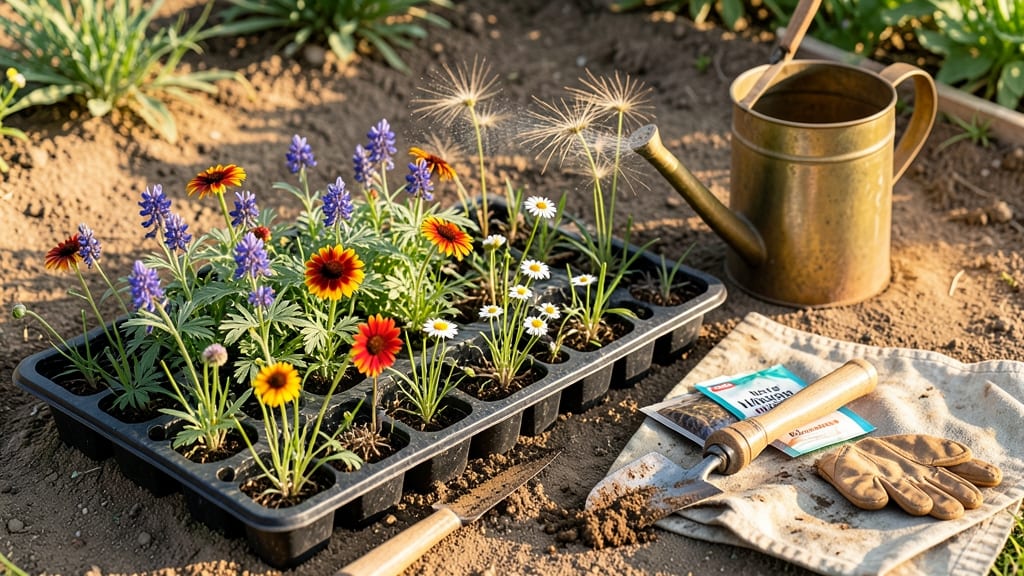
To plant wildflowers in Texas, aim for fall September–November or spring February–April — timing that lets them establish roots before summer’s brutal heat or winter’s last frost.
Texas wildflowers transform barren landscapes into vibrant tapestries—but timing is everything. Plant too early, and frost wipes them out; too late, and summer heat stunts growth. Master these deadlines to unlock Texas’ most stunning wildflower displays year after year.
In USDA zones 8a–10b, where bluebonnets and black-eyed Susans thrive, the key is beating the first frost (December in North Texas) while avoiding the 100°F+ summer drought. Fall planting gives roots a head start, while spring ensures blooms by March.
Below, I break down the exact frost-free windows by region, the best heat-tolerant varieties for your zone, and how to prep soil so your wildflowers bloom like clockwork—no guesswork, just Texas-sized color.
Texas wildflower planting deadlines by hardiness zone (avoid frost & heat stress)
Texas wildflowers thrive when planted at the right time—too early and frost kills tender seedlings, too late and summer heat stresses young plants. Understanding your USDA hardiness zone (6-10) and local frost dates is key to successful planting.
Most Texas wildflowers, like bluebonnets and Indian paintbrush, prefer cooler fall or early spring conditions to establish roots before summer heat arrives.
In Texas, the last frost date varies dramatically: North Texas (Zone 7-8) typically sees frost until February 15, while Central Texas (Zone 8-9) averages March 15, and South Texas (Zone 9-10) rarely drops below freezing.
These dates mark your planting windows—either 6-8 weeks before last frost (fall) or 2-4 weeks after last frost (spring).
For annual wildflowers, like cosmos or zinnia, sow seeds directly in the garden after your last frost date to avoid transplant shock. Perennial varieties, such as black-eyed Susans, benefit from fall planting to develop deep roots before summer's intensity.
Always check the Texas A&M AgriLife Extension for your county's specific frost dates, as microclimates can shift deadlines by weeks.
Late summer planting (August–September) is a hidden gem for South and Central Texas gardeners. This window allows wildflowers to germinate in cool fall temperatures and establish roots before summer heat returns.
For example, Mexican Feathergrass thrives when sown in late August, blooming vibrantly by spring. Always water deeply after planting to encourage root growth, and mulch lightly to retain moisture.
If you miss the fall window, don’t despair—spring planting (February–April) is your next best option.
Start seeds indoors 6-8 weeks before your last frost date for a head start, or direct-sow after soil temperatures reach 60°F. Bluebonnets, Texas’ state flower, need cold stratification, so plant seeds in fall or early winter for best results.
Avoid transplanting mature plants, as their roots are delicate and easily damaged.
Heat stress is a common issue for wildflowers planted too late. Symptoms include wilting leaves, yellowing foliage, and stunted growth. To mitigate this, choose heat-tolerant varieties like Lantana or Zinnia, and provide afternoon shade during the hottest months.
Drip irrigation systems help deliver water directly to roots, reducing stress from evaporative loss. Always monitor soil moisture—drought conditions can quickly turn vibrant blooms into crispy remnants.
For precise timing, use the Texas A&M AgriLife Extension’s Planting Calendar or the USDA Plant Hardiness Zone Map to pinpoint your exact location. Enter your ZIP code to access local frost dates, rainfall patterns, and even soil type recommendations.
Pro tip: North Texas gardeners should aim for September 15 as their last call for fall planting, while South Texas gardeners can extend deadlines until October 15 thanks to milder winters.
Native wildflowers are your best bet for Texas gardens—they’re adapted to local climate extremes, require less water, and support pollinators like bees and butterflies. Mix perennials (like black-eyed Susans) with annuals (like cosmos) for year-round color.
Always test your soil’s pH (ideal range: 6.0–7.5) and amend with compost to improve drainage, especially in clay-heavy Texas soils.
Remember, the earlier you plant, the more time wildflowers have to establish roots before summer’s intensity. Fall-planted perennials often outperform spring plantings because they avoid the heat shock of Texas summers. Start small
Best heat-tolerant wildflower varieties for Texas planting months (with optimal timing)
Texas’ scorching summers make heat-tolerant wildflowers your best bet for vibrant blooms. Native species like bluebonnets and Indian paintbrush thrive in 100°F+ temperatures while conserving water. Unlike non-native varieties, these drought-resistant wildflowers establish deep roots, surviving on rainfall alone once mature.
The key? Planting at the right time—either early fall (September–November) or late winter (February–March)—to avoid summer’s brutal heat stress.
Timing isn’t just about avoiding heat—it’s about frost-free windows. North Texas gardeners should aim for September 1–October 15, while South Texas can extend planting until November 15. Spring planting works too, but focus on February–March to give seedlings a head start before summer arrives.
Pro tip: Pre-soak seeds for 24 hours to boost germination in Texas’ dry clay soils.
Bluebonnets (Lupinus texensis) are Texas’ iconic wildflower, but they demand cool-season planting. Sow seeds September 1–November 15 for spring blooms. Their deep taproots make them drought-proof, but they hate competition—clear weeds before planting. For best results, mix seeds with sand or compost to prevent clumping in heavy Texas clay.
Indian paintbrush (Castilleja indivisa) thrives in full sun and poor soils, making it perfect for rocky or sandy patches. Plant seeds February–March or September–October for two blooming seasons. Unlike bluebonnets, paintbrush self-seeds aggressively, so deadhead spent blooms if you want to control its spread. Pair it with wild bergamot for a pollinator magnet combo.
Black-eyed Susans (Rudbeckia hirta) are summer’s workhorses, handling 105°F heat with ease. Direct-sow seeds September–October or start indoors 6–8 weeks before last frost. These drought-tolerant perennials rebloom if deadheaded, but they tolerate neglect—ideal for low-maintenance gardens. For a wildflower meadow, mix them with coreopsis and salvia for year-round color.
For instant impact, try Mexican feathergrass (Nassella tenuissima), a heat-loving ornamental grass that sways in summer breezes. Plant seeds October–November for spring emergence. Its silvery-blue plumes contrast beautifully with red yucca or desert marigold.
Unlike true grasses, it doesn’t spread invasively, making it a safe choice for xeriscapes.
Pro tip: Mulch lightly after planting to retain moisture, but avoid thick layers that can smother seeds. Water deeply once a week for the first month, then let nature take over.
With the right heat-tolerant varieties and precise planting timing, your Texas garden will burst into color—even in the hottest summers. 🌻