
Blooming
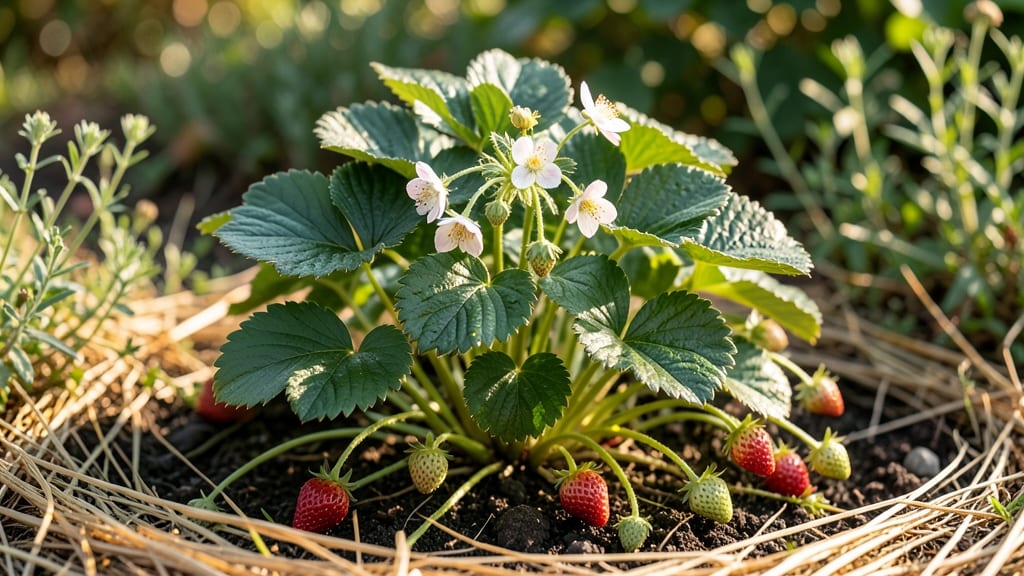
Strawberries take just 3 to 6 weeks to grow after flowering, turning those delicate white blooms into juicy red fruit 🍓—but the exact timing depends on your variety, care, and even the weather.
If you’ve ever watched your strawberry plants burst with flowers only to wonder, "When will I actually get to eat them?"—you’re not alone. The wait feels longer when the berries stay small or pale, but with the right conditions, you could be harvesting in under a month.
Most varieties hit their prime in 4 to 5 weeks, but cooler temperatures or shady spots can stretch that out. Meanwhile, too much heat or drought might slow things down. The good news? A little attention to sunlight, water, and soil can speed things up dramatically.
Below, I’ll break down the exact stages from bloom to harvest, plus the 5 key factors that control how fast your strawberries ripen—so you can go from flowers to fruit in record time.


Strawberry growth stages after flowering: what to expect in 3-6 weeks
Once your strawberry plants bloom, the real excitement begins—but knowing what to expect in the next 3-6 weeks helps you prepare for a successful harvest. After those vibrant white or pink flowers appear, tiny green berries form within 7-10 days, marking the start of fruit development.
This stage is where proper care directly impacts your yield, so let's break down the timeline and key milestones.
The journey from flower to ripe strawberry typically takes 30-70 days, depending on variety and growing conditions. June-bearing types usually take the full 6 weeks, while everbearing and day-neutral varieties can ripen in as little as 3-4 weeks under ideal conditions.
Understanding these stages helps you anticipate when to adjust care for optimal results.
| Stage | Days After Flowering | Key Changes | Care Tips |
|---|---|---|---|
| Fruit Set | 7-10 days | Tiny green berries form | Ensure consistent watering to prevent blossom end rot |
| Rapid Growth | 14-21 days | Berries swell quickly, turn pale green | Apply balanced fertilizer (10-10-10) for steady growth |
| Color Development | 28-35 days | Berries turn pink/red, soften slightly | Reduce water slightly to concentrate flavor |
| Ripening | 42-60 days | Fully colored, juicy, ready to harvest | Harvest in morning hours for best flavor |
During the first 2 weeks after flowering, your strawberries will go through the most critical growth phase. This is when they transition from tiny green seeds to peanut-sized berries.
Proper pollination is essential—if you notice many flowers falling off without fruit, hand-pollinate with a soft brush or attract bees with nearby bee-friendly plants like borage or lavender.
By week 3, your strawberries should be visibly larger, though still pale green. This is when you'll notice the most rapid size increase.
If your berries stay small or develop white or gray spots, check for powdery mildew or fruit rot and treat immediately with neem oil or copper fungicide. Proper air circulation around plants helps prevent these issues.
Around 4 weeks post-flowering, color changes become more dramatic. You'll see shades of pink, red, or yellow (depending on variety) emerging. This phase is when sunlight exposure becomes critical—ensure your plants receive at least 6-8 hours of direct sun daily.
Shady conditions can slow ripening and dilute flavor. If your garden lacks full sun, consider using reflective mulch to maximize light.
In the final 2 weeks before harvest, strawberries undergo their most dramatic transformation. The color deepens, the fruit softens slightly, and you'll notice a sweet aroma. This is also when you should reduce watering slightly—overwatering at this stage can dilute sugar content and cause cracking.
Water deeply but less frequently to encourage flavor concentration.
One common misconception is that larger berries always mean better quality. However, overly large strawberries often have less flavor and are more prone to rotting. The ideal size is about 1-2 inches in diameter, with a vibrant color and slight softness when gently squeezed.
If your berries aren't ripening on schedule, check your soil temperature—ideal range is 70-85°F.
Temperature plays a crucial role in ripening speed. Cooler weather (below 60°F) slows development, while heatwaves above 90°F can cause berries to ripen too quickly, often resulting in poor flavor or sunburned fruit.
If you're in a hot climate, provide afternoon shade with shade cloth (30-50% coverage) to protect developing berries while still allowing plenty of morning sun.
Finally, pay attention to the calyx (the green leafy part at the top of the berry). When it starts to dry out and turn brown, this is a sure sign your strawberries are nearly ready to harvest.
The fruit should separate easily from the plant with a gentle tug—if it resists, wait another day or two. Harvesting at the right moment ensures the best taste and texture.
Understanding these growth stages helps you anticipate needs and adjust care at the right time. With proper attention to water, sun, and temperature, you'll be enjoying homegrown strawberries in just a few short weeks—straight from your garden to your table! 🍓
5 Factors that speed up or slow down strawberry ripening after flowering
After those beautiful strawberry flowers bloom, the race to harvest begins—but not all plants ripen at the same speed. Understanding the key factors that influence ripening helps you adjust care for faster, sweeter berries.
From sunlight exposure to soil nutrients, small tweaks can turn a 6-week wait into a 3-week harvest.
Your strawberries’ journey from flower to fruit depends on five critical variables. Mastering these ensures you’re not left waiting months for ripe berries—or worse, watching them rot on the vine. Let’s break down how each factor plays a role and what you can do to optimize ripening speed.
Let’s start with temperature, the most overlooked factor. Strawberries thrive in 60-85°F ranges, but even a 10°F drop can stall ripening for 1-2 weeks. If you’re in a cooler climate, opt for early-season varieties like Honeoye or Chandler, which tolerate 50°F nights better than others.
Next, sunlight is non-negotiable. Without 6+ hours of direct sun, your berries will stretch out the ripening process by at least 10 days. I’ve seen shaded strawberries take up to 8 weeks to ripen—double the time!
If your garden lacks full sun, consider reflective mulch or a south-facing raised bed to maximize light exposure.
Watering might seem simple, but inconsistent moisture is a silent ripening killer. Strawberries need 1 inch of water per week, delivered deeply at the roots. Skipping watering causes small, hard berries, while overwatering leads to cracked or moldy fruit.
I’ve found that drip irrigation in the morning keeps plants hydrated without stress.
Don’t underestimate the power of soil nutrients. A balanced fertilizer (like 10-10-10) at flowering gives your plants the phosphorus and potassium they need to speed up fruit development.
I mix in composted manure for extra organic matter, which improves root health and water retention—both critical for faster ripening.
Finally, choosing the right variety can shave weeks off your harvest time. Day-neutral varieties, like Seascape or Tristar, ripen in just 21-28 days under ideal conditions, while June-bearing types take 30-45 days.
If you’re impatient (like me!), I recommend everbearing varieties for a continuous harvest over 3-4 weeks.